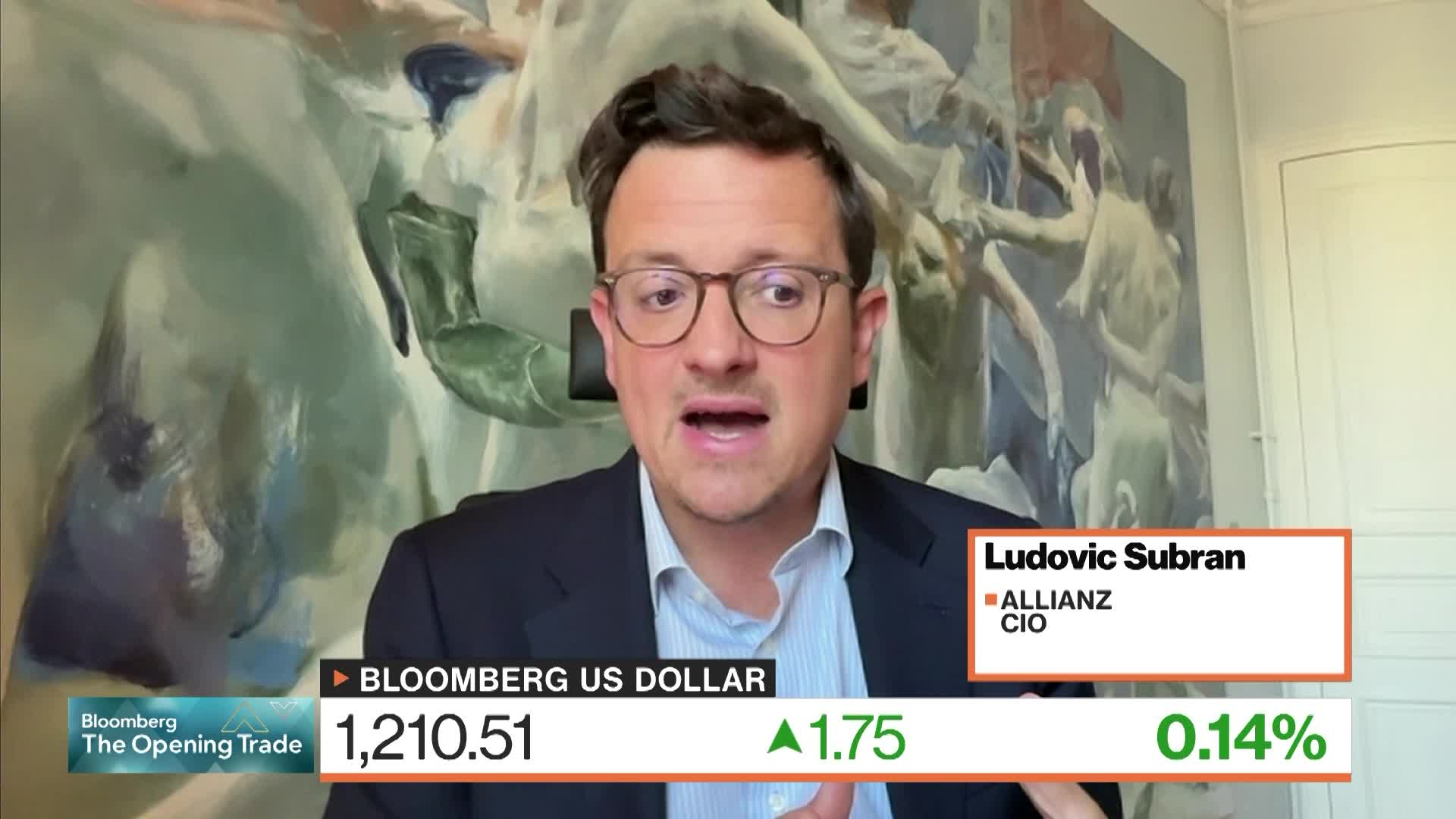
The Dutch government has collapsed following the withdrawal of Geert Wilders from the ruling coalition. Separately, the CEO of Air France-KLM indicated that premium travel demand remains robust, providing a positive signal for the airline industry despite broader economic uncertainties.
The Dutch government's collapse, triggered by Geert Wilders' withdrawal from the ruling coalition, introduces a significant element of political instability within the Netherlands, potentially impacting investor sentiment towards the Eurozone. This development is amplified by a pessimistic forecast regarding a prospective US-EU trade agreement, as voiced by a former Trump administration trade official, signalling potential impediments to transatlantic economic relations. Adding to the complex geopolitical landscape are the recent election results in Poland and continued military actions, such as Ukraine's reported drone attack on Russia, which sustain regional uncertainty. Amidst these broader concerns, a specific positive data point comes from the aviation sector, where the CEO of Air France-KLM has affirmed that demand for premium travel services is holding strong. This confluence of events – political shifts, trade tensions, and persistent geopolitical conflict contrasted with specific industry resilience – contributes to an overall 'mildly negative' market sentiment, an 'uncertain' tone, and a 'market_impact_score' of 0.55, suggesting these developments carry moderate weight for financial markets.
AI-powered research, real-time alerts, and portfolio analytics for institutional investors.
Request DemoOverall Sentiment
mildly negative
Sentiment Score
-0.35
