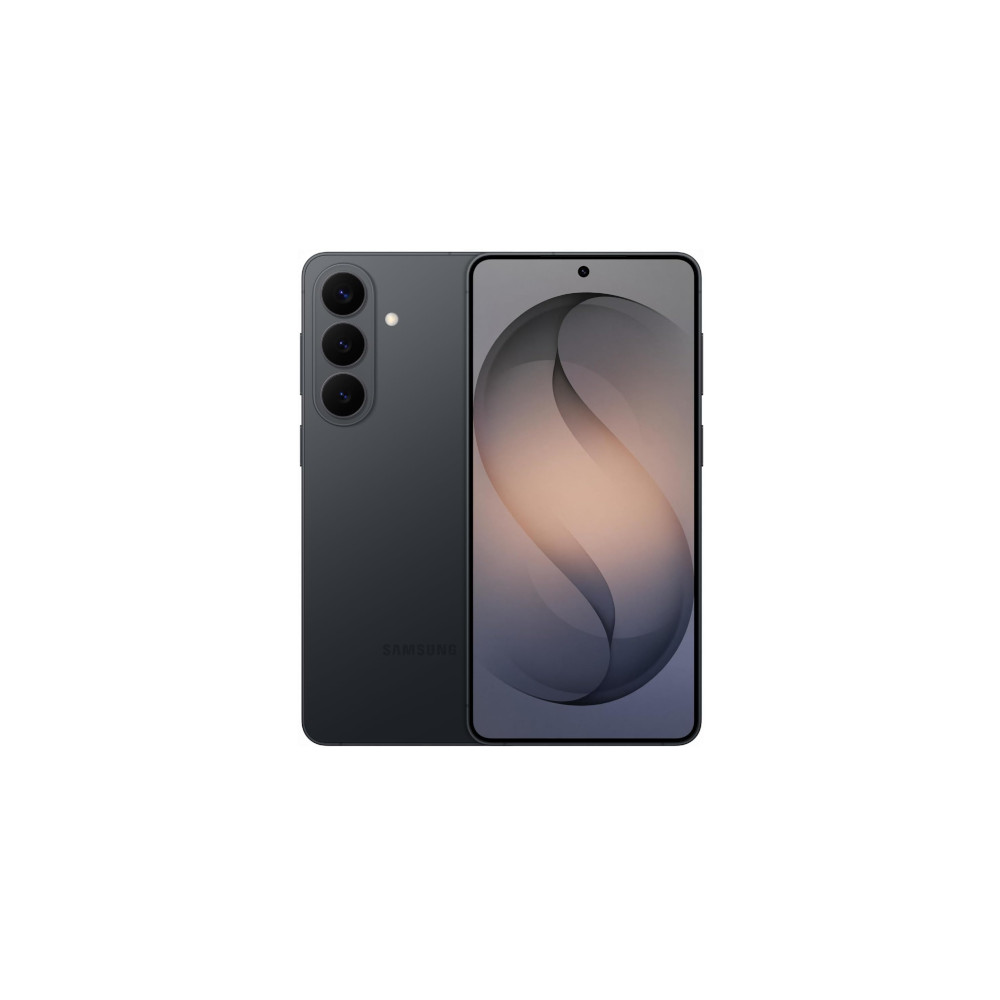
Samsung's Galaxy S26 introduces an expanded Audio Eraser feature that amplifies dialogue in third-party streaming apps (including YouTube and Netflix) via on-device AI processing, accessible from quick settings. The capability, enabled by the new Snapdragon Elite Gen 5 for Galaxy chipset, enhances user experience for unevenly mixed audio and may serve as a product differentiation point versus rivals such as Google, though availability on older devices is unclear and no direct financial metrics were disclosed.
Market structure: The primary winners are Samsung (premium S26 demand), Qualcomm (Snapdragon Elite Gen 5 on‑device AI compute) and streaming apps (Netflix, YouTube) that see improved UX; expect device makers and chipset suppliers to capture 3–7% incremental ASP premium on flagship SKUs if reviewers confirm the feature. Losers are cloud/audio‑processing incumbents that monetize post‑production or server inference (small players) and potentially Google if it must subsidize cloud inference to match on‑device latency; ad pricing and ARPU impact is likely negligible near term. Competitive dynamics will favor OEMs who control hardware+software stacks and can differentiate UX without recurring cloud costs, shifting modest pricing power to handset OEMs and chipmakers over 6–18 months.
Risk assessment: Tail risks include regulatory/privacy action (EU/US) over on‑device voice processing or interoperability, a major firmware bug that forces recalls, or supply constraints for the Elite Gen 5 that delay rollouts — each could erase expected upside within 0–3 months. Immediate effects (days) are limited to sentiment/PR; short term (1–3 months) depends on hands‑on reviews and S26 sell‑through; long term (6–24 months) is driven by hardware replacement cycles and developer adoption. Hidden dependencies: licensing for codec/voice isolation tech, Samsung exclusivity windows, and carrier promotions that determine real sell‑through.
Trade implications: Favor semiconductor exposure to on‑device AI — Qualcomm (QCOM) is the direct play; streaming upside is marginally positive for NFLX (content engagement retention). Use concentrated, size‑controlled positions (2–3% QCOM, 1% NFLX) and execute options to limit downside: 3‑month QCOM 10–15% OTM call spreads sized to risk ≤1% portfolio. Pair short ideas include selective Google (GOOGL) exposure (1% short) to express relative weakness if it must increase cloud spending to match on‑device features.
Contrarian angles: Consensus underestimates multi‑year margin tailwinds for chipmakers from on‑device AI — this is not a one‑quarter gimmick if >50m units adopt the Elite chip over 12 months. The market may overestimate Netflix’s revenue upside (UX helps retention, not pricing) and underprice regulatory friction and fragmentation costs for developers. Monitor first 30‑day S26 sell‑through in Korea/US, QCOM guidance at next earnings, and any OEM exclusivity expiry dates as the clearest catalysts for trade re‑rating.
AI-powered research, real-time alerts, and portfolio analytics for institutional investors.
Request DemoOverall Sentiment
mildly positive
Sentiment Score
0.35
Ticker Sentiment
