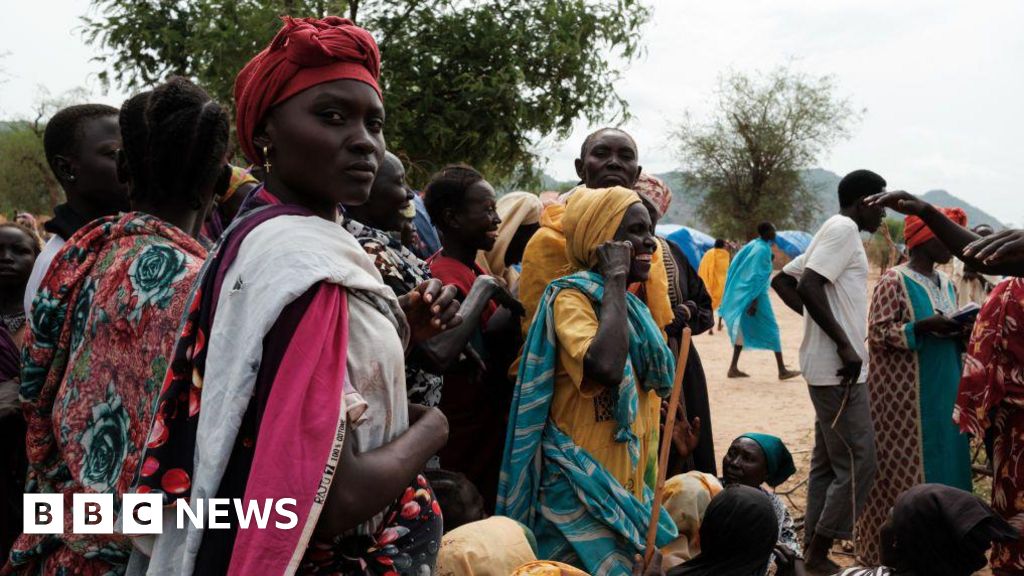
WHO reported 114 killed and 35 injured in a drone attack on a kindergarten and hospital in Kalogi, South Kordofan, with the UN saying 63 of the dead were children and medics coming under fire as they tried to rescue the wounded. The Rapid Support Forces has been accused by the army and medical groups of mounting the attack and has separately claimed capture of the Heglig oil field — home to the main processing facility for South Sudanese oil — prompting army withdrawals to protect facilities and raising the prospect of disruptions to oil flows and hard‑currency earnings. The incident highlights an escalating humanitarian crisis, increased risks to energy infrastructure and regional stability, and has prompted WHO calls for a ceasefire and expanded humanitarian access.
WHO and UN reporting indicate a drone attack in Kalogi, South Kordofan killed 114 people and injured 35, with the UN stating 63 of the dead were children; the attack reportedly struck a kindergarten and a hospital and paramedics came under fire while rescuing victims, and survivors were moved to Abu Jebaiha Hospital amid urgent calls for blood donations. WHO Director-General Tedros described the attack as senseless and called publicly for a ceasefire, underscoring acute humanitarian strain and constrained medical response capacity in the frontline Kordofans region.
The Rapid Support Forces (RSF) has been accused by the army and medical groups of conducting the Kalogi strikes while separately claiming capture of the Heglig oil field; Reuters sources report army and oil workers withdrew to protect facilities and in some cases moved into South Sudan. Heglig houses the main processing facility for South Sudanese crude and is material to South Sudan’s government revenue and Sudan’s hard-currency earnings, so its seizure creates a direct risk to oil flows and regional fiscal receipts.
The aggregated signal set is strongly negative with a risk-off tone and a market impact score of 0.35, indicating moderate potential for near-term market disruption tied to geopolitics, healthcare capacity and commodities. Investors should view this as an escalation that raises the probability of short-term volatility in regional assets, commodity-linked cash flows and frontier sovereign risk until control of oil infrastructure and humanitarian corridors are clarified.
AI-powered research, real-time alerts, and portfolio analytics for institutional investors.
Request DemoOverall Sentiment
strongly negative
Sentiment Score
-0.75
