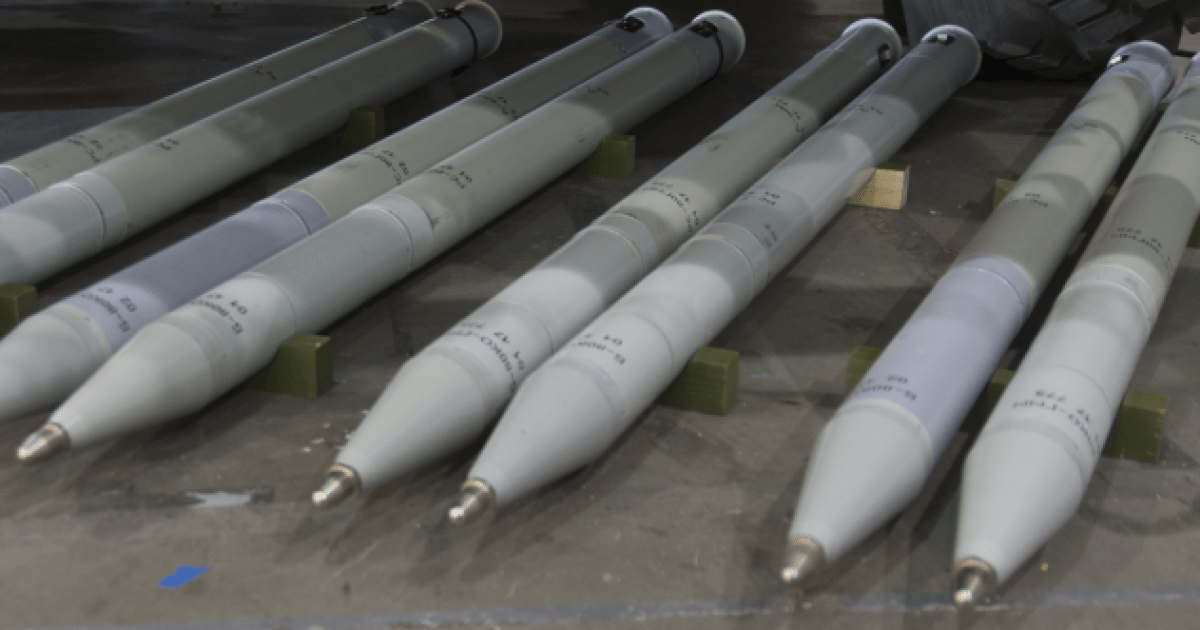
Ukrainian Unmanned Systems Forces reported a strike on Russian Black Sea Fleet communications infrastructure and a mobile air defense group in Crimea using unguided aircraft missiles. The article emphasizes improved strike flexibility and effectiveness from integrating these missiles onto UAVs. The news is geopolitically negative but appears tactically limited, with no direct broader market implications beyond localized defense-risk sentiment.
This is less about a single battlefield event and more about a cheap-precision escalation path: small drone platforms are now being used as a modular strike layer against rear-area assets that are expensive to defend and even more expensive to harden. The second-order implication is that point defenses around ports, depots, radar, and command nodes face a bad economics equation — every incremental interceptor or radar upgrade has diminishing marginal value if the attacker can iterate faster than the defender can reconfigure.
For markets, the biggest beneficiary is not a named contractor but the broader Western drone, electronic warfare, and counter-UAS stack. A persistent campaign that forces more dispersion, redundancy, and active defense should support procurement for interceptors, short-range air defense, sensors, and battlefield software over the next 6-18 months, especially in Europe. The losers are infrastructure-heavy operators with exposed fixed assets in contested theaters, because the risk premium shifts from damage repair to continuity-of-service and insurance cost escalation.
The contrarian view is that these strikes may be tactically impressive but strategically non-linear: if the target set is mostly symbolic or non-critical, the market may overestimate the durability of the effect. Also, once this tactic is widely copied, defenders adapt quickly with jamming, decoys, and layered SHORAD, which can compress the advantage within one procurement cycle. The key catalyst to watch is whether this becomes a repeatable pattern against logistics and command infrastructure rather than isolated headline events; if so, defense spending expectations likely re-rate higher on a 3-12 month horizon.
Tail risk cuts both ways: escalation broadens the probability of retaliatory attacks on energy and transport nodes, which would lift geopolitical risk premia across European assets. If the attack method proves scalable, it also strengthens the case for faster adoption of low-cost autonomous strike and counterstrike systems, widening the gap between legacy defense platforms and software-defined systems.
AI-powered research, real-time alerts, and portfolio analytics for institutional investors.
Request DemoOverall Sentiment
mildly negative
Sentiment Score
-0.15
