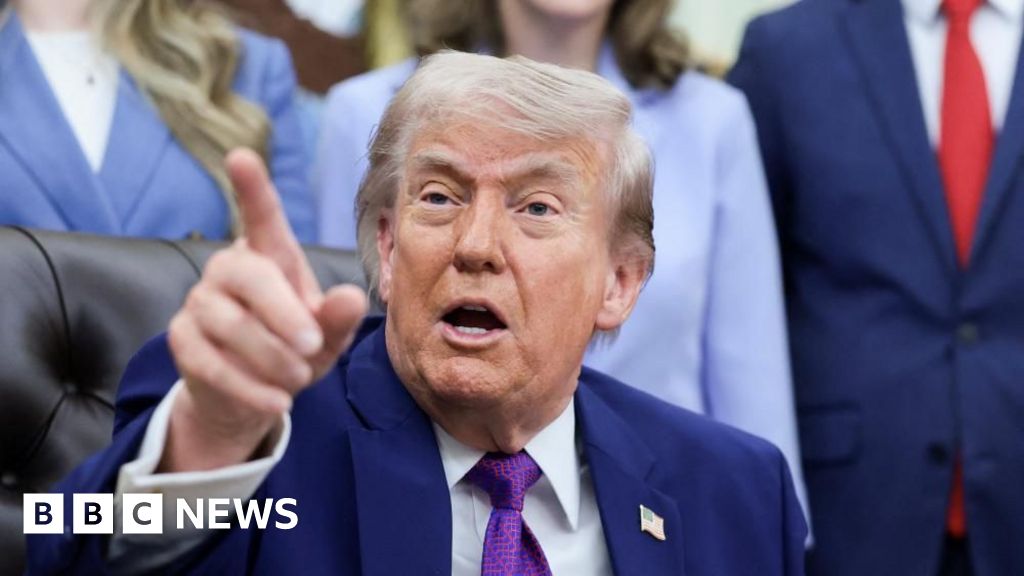
The US-Iran ceasefire remains in place but is described by Trump as on "massive life support," with the standoff over Iran's nuclear program, enriched uranium, and Strait of Hormuz access still unresolved. Iran has demanded an end to the war, a halt to the US naval blockade, and compensation for war damage, while Trump called Tehran's counteroffer "totally unacceptable" and reiterated that Iran will never get a nuclear weapon. The dispute is keeping the Strait of Hormuz blocked, helping drive up global oil prices and raising market-wide geopolitical risk.
The market is still underpricing how quickly a fragile ceasefire can morph into a shipping-and-sanctions shock. The key second-order effect is not just higher crude; it is a forced repricing of risk premia across the entire Gulf logistics stack: tanker rates, marine insurance, port throughput, and working capital tied up in inventory financing. If the Strait stays even partially impaired for days rather than weeks, the move will propagate first through front-end energy and then into FX via higher USD demand and weaker petro-currencies and EM importers.
The most asymmetric winner is not the obvious large-cap oil producer complex, but the freight and defense-adjacent names with embedded geopolitical optionality. Tanker owners, LNG shippers, and naval/missile defense suppliers benefit from a regime where persistent tension raises utilization, sanctions enforcement, and rearmament spending without requiring a full shooting war. Conversely, refiners and airlines get hit twice: crude input costs rise while schedule reliability deteriorates, which compresses margins faster than consensus models typically assume.
Catalyst timing matters. Over the next 1-3 sessions, headlines drive crude and volatility; over 2-8 weeks, the real differentiator is whether any negotiated off-ramp is credible enough to reopen flows and unwind insurance premia. The tail risk is a miscalculation at sea or a strike on energy infrastructure, which would convert a contained risk premium into a supply interruption and likely force a much larger policy response from Washington.
The contrarian view is that the market may be too focused on the probability of a clean ceasefire collapse and not enough on the political incentives to keep the conflict below the threshold that fully disrupts global trade. That makes upside in oil and defense potentially capped if rhetoric remains intense but operational constraints prevent escalation. The best expression is therefore not a naked directional bet, but a convex position that pays on headline volatility while limiting bleed if talks unexpectedly stabilize.
AI-powered research, real-time alerts, and portfolio analytics for institutional investors.
Request DemoOverall Sentiment
strongly negative
Sentiment Score
-0.72
