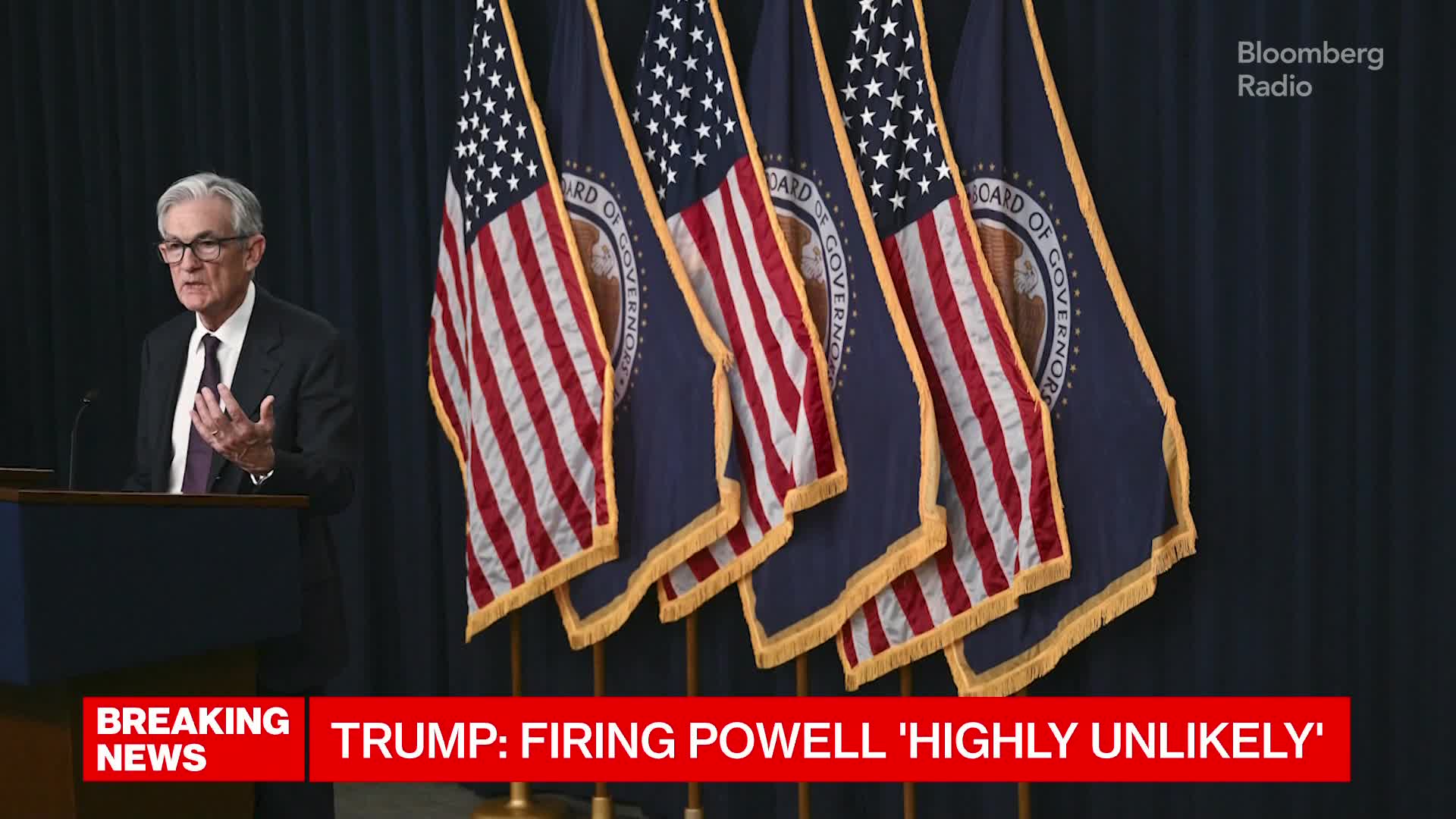
Former Federal Reserve Vice Chair Lael Brainard warned that any deviation from the Fed's independence would be 'extremely bad' for the U.S., expressing concern that presidential pressure could skew the perception of the economic environment.
A recent statement from former Federal Reserve Vice Chair Lael Brainard has highlighted a significant tail risk for U.S. markets: the potential erosion of central bank independence. Brainard's characterization of such a development as 'extremely bad' for the nation, coupled with the report's strongly negative sentiment score (-0.75), underscores the gravity of this concern among seasoned policymakers. The core issue raised is that political pressure on the Fed could distort the perception and management of the economic environment, a risk factor that carries a notable market impact score of 0.65. This places the intersection of 'Monetary Policy' and 'Elections & Domestic Politics' at the forefront of investor concerns, suggesting that any perceived or actual threat to the Fed's autonomy could introduce significant volatility and uncertainty into asset pricing, undermining the predictability of future monetary policy.
AI-powered research, real-time alerts, and portfolio analytics for institutional investors.
Request DemoOverall Sentiment
strongly negative
Sentiment Score
-0.75
