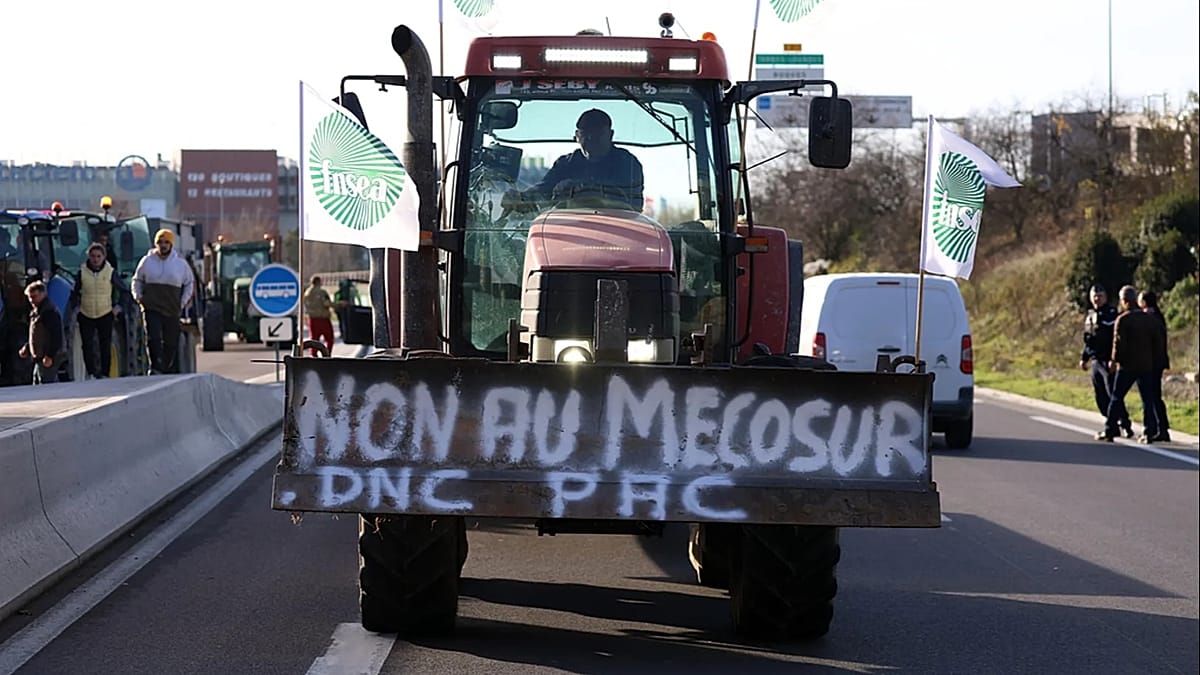
EU agriculture ministers will hold political talks Wednesday, ahead of a potential Friday vote on the Mercosur trade pact with Argentina, Brazil, Paraguay and Uruguay; the deal requires a qualified majority to pass. Commissioners are expected to offer clarifications on continued farmer income support in the next Common Agricultural Policy budget and on pesticide reciprocity and sanitary standards after pressure from France and other member states. Paris has proposed tougher border controls and a potential suspension of imports with banned pesticide residues (subject to Commission clearance), while a Commission-proposed market-monitoring safeguard is due for endorsement by member states this week—outcomes that will determine market access for Mercosur exporters and near-term regulatory risk for agricultural trade.
Market structure: Passage of the Mercosur deal materially benefits low-cost South American agricultural exporters (beef, poultry, soy) and processors; expect material market-share gains in EU protein imports within 6–24 months and downward pressure on EU domestic producer margins of ~5–15% by volume in exposed categories. EU food retailers/packers (importers) will see input-cost relief, while small/medium EU farmers face margin compression unless CAP top-ups offset losses; pricing power shifts to large global processors (Brazilian majors).
Risk assessment: Immediate risk window is this week (political talks Wed, ambassador vote Fri). Tail risks include a veto/conditional implementation, French sanitary bans on pesticide residues, or prolonged national ratifications — any of which could reverse flows and spark >15% moves in targeted equity ETFs. Hidden dependency: the Commission’s ability to issue emergency import bans and the exact pesticide reciprocity rules can nullify trade openings even after a political yes; treat final implementation as a 3–12 month event.
Trade implications: Tactical directional: Brazil-exposure (equity and selected exporters) on a pass; defensive hedges and political-risk protection if contested. Volatility will spike around the vote: use short-dated option structures to express asymmetric views (3-month call spreads if constructive, 1-month puts to hedge immediate downside). Rebalance EU agricultural-equipment and mid-cap farmer suppliers away from unhedged long risk over the next 90 days.
Contrarian angles: Consensus assumes clean passage -> rapid export flows; that is underdone because sanitary/pesticide safeguards and Mercosur ratification lag can limit flows for 6–18 months, creating a two-stage trade. Historical parallels: CETA showed political endorsements can precede long implementation drag; therefore size positions for event risk and avoid full gamma exposure until concrete implementation milestones (ambassador endorsement, national ratifications) are hit.
AI-powered research, real-time alerts, and portfolio analytics for institutional investors.
Request DemoOverall Sentiment
neutral
Sentiment Score
-0.05
