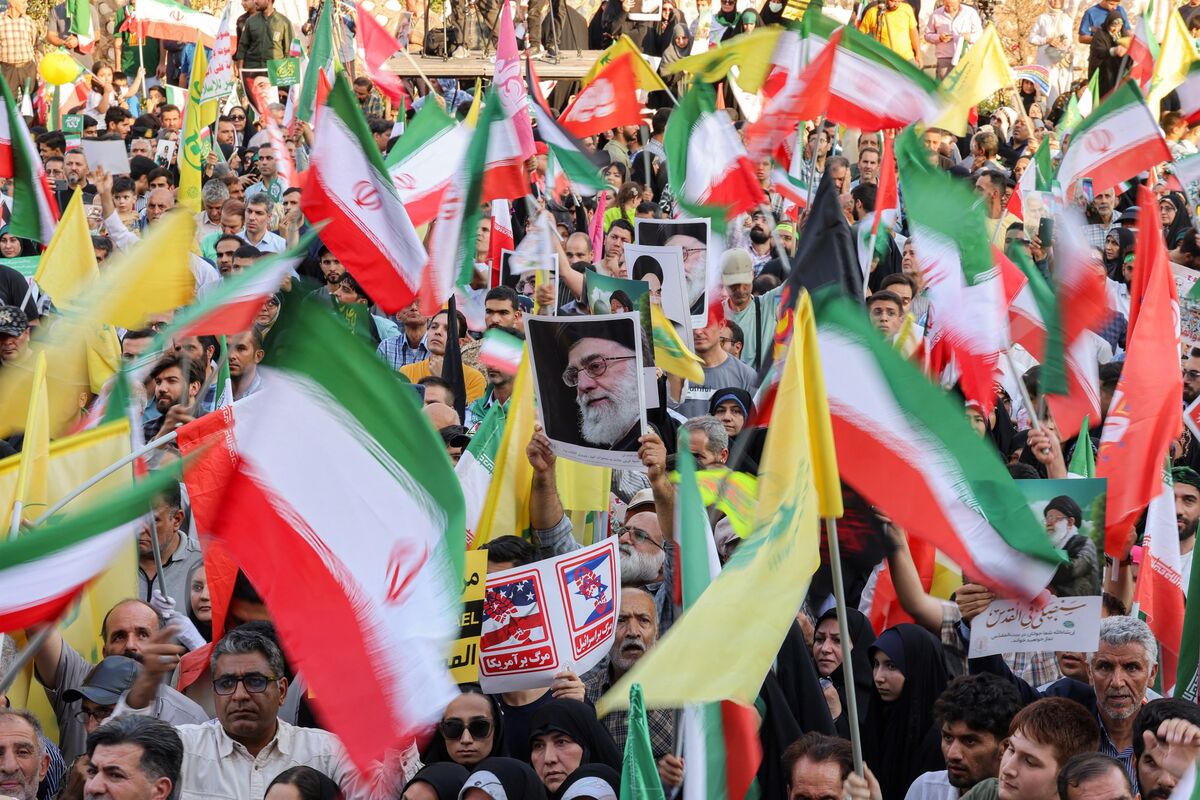
Iran's long-cultivated 'axis of resistance' network has shown significant erosion, leaving the Islamic Republic largely isolated in facing recent Israeli attacks and US bombing of key nuclear facilities, which led to a tentative ceasefire on June 24. This strategic vulnerability stems from the fall of its Syrian ally, the Assad regime, in December, alongside the documented weakening of key proxies like Hamas and Hezbollah due to prolonged conflict with Israel, and impaired Houthi capabilities from American strikes, collectively signaling a notable decline in Iran's regional influence.
Iran's strategic posture in the Middle East has been materially weakened, as demonstrated by its isolation during recent direct military confrontations with Israel and the United States. The long-cultivated 'axis of resistance' network, designed for power projection, has proven ineffective, with key allies and proxies significantly degraded. The December fall of Syria's Assad regime removed a critical state partner, while nearly two years of conflict with Israel have diminished the capabilities of both Hamas and Hezbollah. Furthermore, US strikes have impaired the operational capacity of Houthi militants in Yemen. This cumulative erosion of its network left Iran to face recent Israeli attacks and US bombing of three key nuclear facilities alone, culminating in a tentative ceasefire on June 24. The situation signifies a notable decline in Iran's regional influence and an increase in its direct vulnerability, shifting the geopolitical balance of power and carrying significant implications for regional stability.
AI-powered research, real-time alerts, and portfolio analytics for institutional investors.
Request DemoOverall Sentiment
mixed
Sentiment Score
0.00
