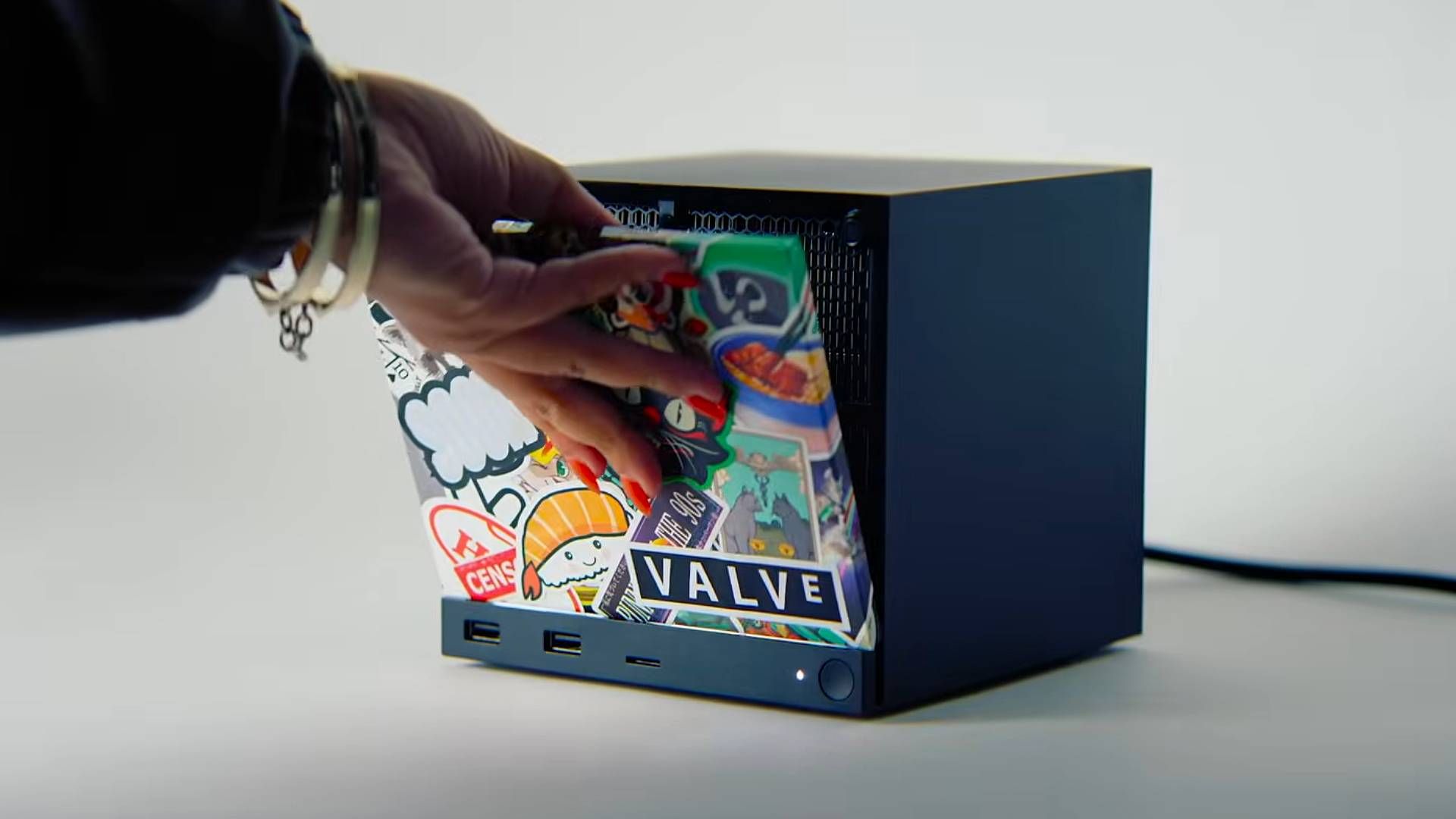
Former Xbox exec and ex-Blizzard boss Mike Ybarra urged Valve to allow third parties to license SteamOS and build a range of “Steam Machine” hardware, arguing broader hardware variety would drive SteamOS adoption and increase Steam Store revenue; Valve has already allowed limited third‑party hardware (e.g., Lenovo’s Legion Go S) but wider third‑party Steam Machines remain unconfirmed. Obstacles include game compatibility—several multiplayer titles (notably Rust) currently lack SteamOS support—and concerns that diverse hardware would undermine the console‑like standardization that makes a single Steam Machine attractive, while Windows’ ecosystem advantages remain a counterweight. Ybarra added Microsoft would likely resist a similar approach for Xbox, preferring to push Windows with AI and productivity integrations, underscoring that developer and platform incentives will determine whether broader SteamOS licensing materially expands market share.
Former Xbox executive and ex-Blizzard boss Mike Ybarra publicly urged Valve to license SteamOS to third parties so they can build a wider range of “Steam Machine” hardware, arguing broader OEM adoption would drive SteamOS uptake and increase Steam Store revenue; Valve has permitted limited third-party hardware to date (for example Lenovo’s Legion Go S) but wider licensing remains unconfirmed. Ybarra contrasted this openness with his view that Microsoft would push Windows-centric strategies tied to AI and productivity features, implying different platform incentives between Valve and Microsoft.
Practical obstacles to broader SteamOS adoption cited in the article include persistent game-compatibility gaps—developers of multiplayer titles such as Rust currently have no plans to support SteamOS—which creates a gating factor for consumer and OEM interest. Another tension is that the appeal of a console-like, standardized Steam Machine could be undermined by fragmentation if many OEMs ship different configurations, while Windows’ ecosystem benefits remain a competitive counterweight.
Signal outputs attached to the article show mild positive sentiment and low market-impact expectations, with per-ticker sentiment marginally negative for MSFT and neutral for ATVI. The story is therefore an industry-signalling event with execution risk: meaningful valuation or revenue upside for Valve/partners depends on confirmed licensing, developer support, and manager-level strategic choices rather than the current commentary alone.
AI-powered research, real-time alerts, and portfolio analytics for institutional investors.
Request DemoOverall Sentiment
mildly positive
Sentiment Score
0.25
Ticker Sentiment
