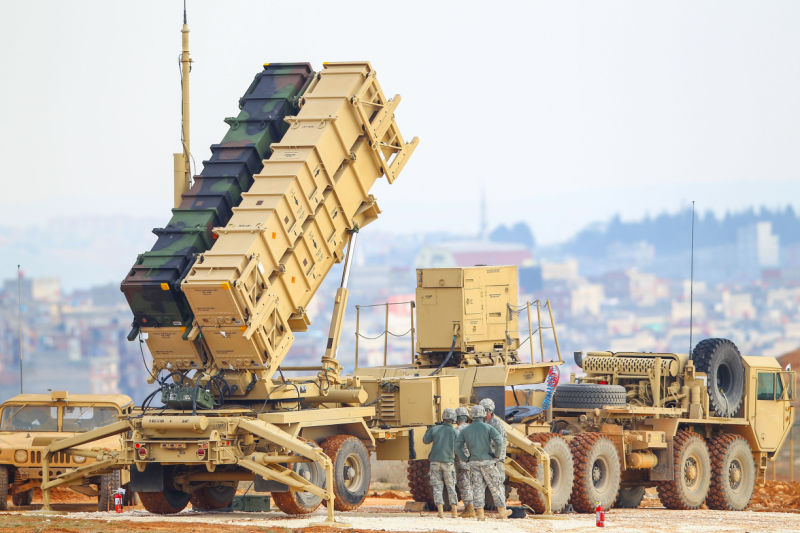
A pre-dawn Patriot interceptor detonated over Bahrain's Mahazza neighborhood on March 9, injuring dozens; Reuters and the Middlebury Institute analysis attribute the blast to a U.S.-operated Patriot missile rather than an Iranian drone. The episode raises operational and reputational risks for RTX (NYSE: RTX) as supplier of Patriot systems and underscores limits of expensive interceptors to protect industrial nodes—Sitra refinery declared force majeure amid strikes—threatening Gulf energy flows. Expect sector-level risk-off pressure on defense names and potential near-term oil/LNG price volatility as markets reassess Gulf air-defense efficacy and basing/export arrangements.
The immediate market reaction is treating RTX as a liability-exposed supplier rather than an embedded systems partner; that magnifies downside in the near term (days–weeks) but overstates substitutability on multi-year procurement cycles. Procurement contracts, integration engineering and certification timelines mean revenue recognition and margin impacts will be lumpy over 3–18 months, not instantaneous — expect order-book churn and service/retrofit demand to show up in quarterly bookings and aftermarket spares revenue.
A second-order demand shift is already visible toward lower-cost counter-UAS and “soft-kill” electronic warfare solutions plus edge-AI sensor processing; vendors of rugged servers, AI accelerators and EW subsystems (SMCI-style hardware providers and niche ISR/EW mid-caps) should see accelerated RFP activity and shorter sales cycles in the 6–24 month window. Conversely, high-ticket interceptor munitions risk unit-sales compression, higher warranty/legal provisions and elevated insurance costs that can compress gross margins for incumbents over the next 1–4 quarters.
Regulatory and basing-policy reactions (audits, indemnity demands, export-control reviews) are tail risks that play out over years and could permanently raise the total cost of sale for platform suppliers, increasing program-level unit economics and favoring smaller, modular solutions. The crowd’s bearish stance is plausible near-term, but the combination of long procurement locks and aftermarket service revenue creates a non-linear recovery path — this makes pair and volatility trades more attractive than naked directional bets.
AI-powered research, real-time alerts, and portfolio analytics for institutional investors.
Request DemoOverall Sentiment
mildly negative
Sentiment Score
-0.35
Ticker Sentiment
