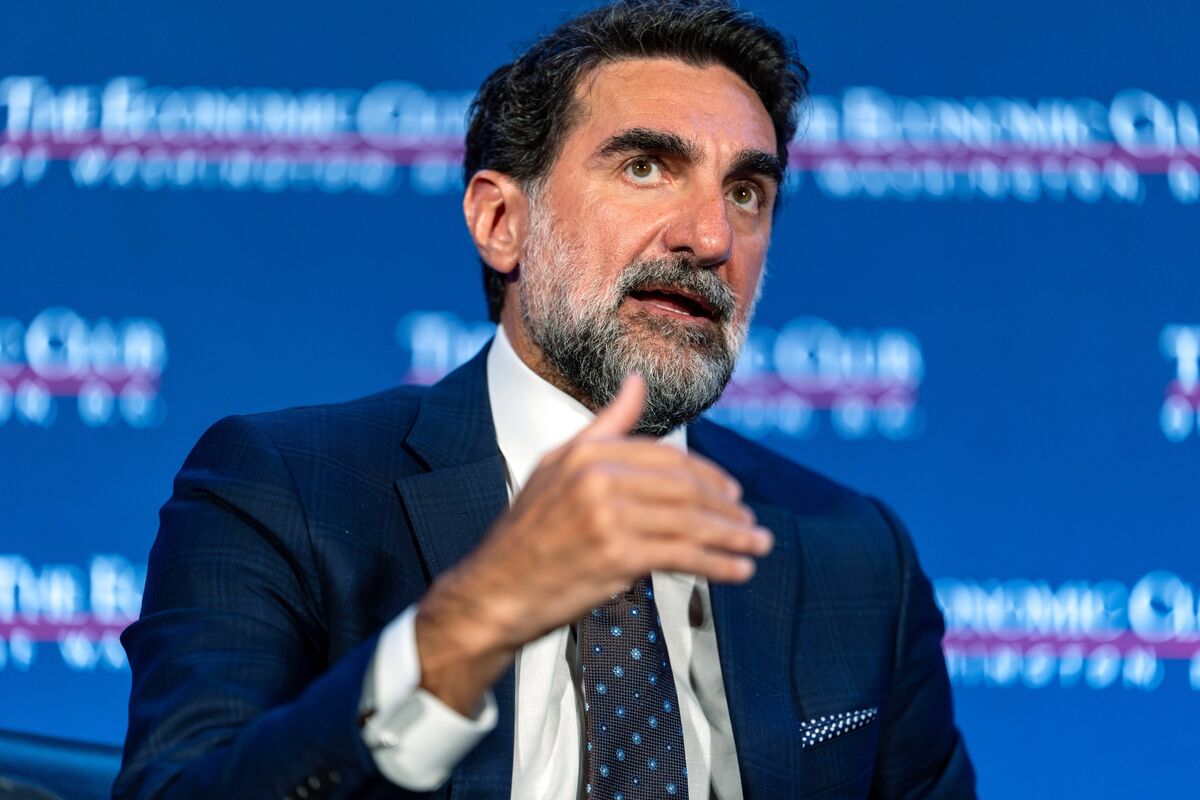
The $1 trillion Public Investment Fund (PIF) said it remains committed to global investments despite the mounting economic costs of the Iran war. Governor Yasir Al Rumayyan described Saudi Arabia's macroeconomic and physical position as "strong, stable and resilient" and emphasized a multi-decade investment horizon. The statement signals a continued long-term, stable capital-allocation stance from a major sovereign investor. Near-term market impact is likely limited, but ongoing PIF deployments could support liquidity in targeted private and public markets.
Large, patient pools of Gulf capital change market microstructure in ways that are easy to miss: they increase competition for late-stage private deals and trophy real estate, which can push entry multiples up 10–30% in stressed windows and compress future GP carry by several hundred basis points. That re-prices the relative return of take-private targets vs. public small-caps — expect a multi-quarter window where buyout multiples rise while public small-cap discounts widen.
Public alternative asset managers are the natural conduit for this incremental private capital; a sustained flow raises recurring management fees and accelerates realization timing for existing portfolios, producing asymmetric upside for a 12–24 month horizon if fundraising momentum converts to deployable AUM. Conversely, regional boutique fund managers and late-stage sellers face liquidity competition and valuation ceilings, increasing dispersion in returns across managers.
Key reversal catalysts to watch: a sharp geopolitical escalation that triggers sanctions, direct asset freezes, or a large negative oil shock could force capital to be reallocated domestically within weeks, snapping the funding pipeline and widening EM spreads. Monitor sovereign CDS, shipping insurance rates, and luxury real estate transaction volumes as high-frequency signals that precede larger portfolio reallocations.
The market consensus tends to treat patient sovereign capital as a benign “backstop”; the contrarian risk is that its selectivity and political conditionality make it a procyclical amplifier of market froth in specific asset classes rather than a stabilizer — leaving outsized downside at exit points when political objectives shift.
AI-powered research, real-time alerts, and portfolio analytics for institutional investors.
Request DemoOverall Sentiment
mildly positive
Sentiment Score
0.15
