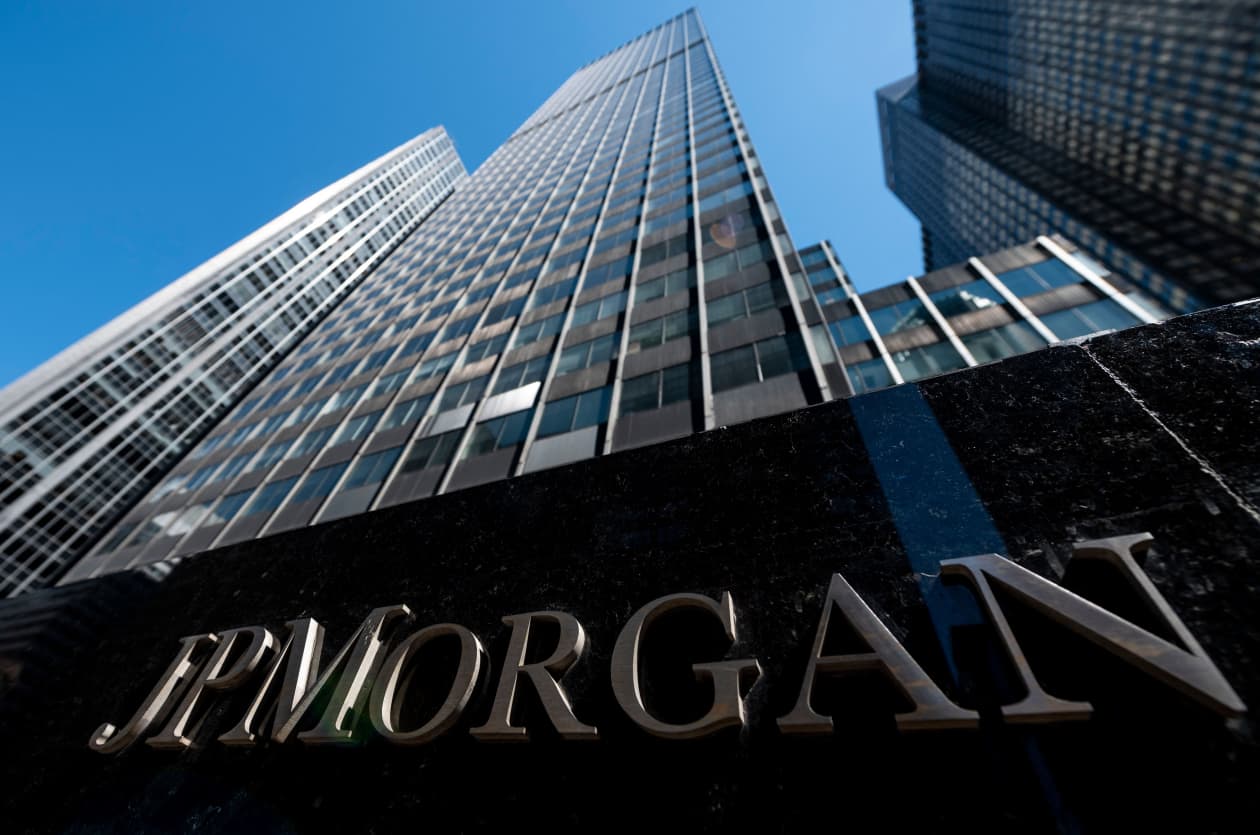
A $33 billion private-credit fund reportedly saw heavy redemptions as JPMorgan marked down loans in private-credit portfolios and is tightening lending criteria, a move that could materially curtail new lending into the sector. Reports say the markdowns did not trigger margin calls, but the dual pressures signal increased liquidity stress and reduced credit flow for private-credit managers; JPMorgan did not comment.
Private-credit illiquidity creates a nonlinear feedback loop: modest weekly outflows (1–2% of AUM) can force asset sales that realize discounts 10–25% versus last-mark levels because underlying loans are private, bilateral, and often covenant-light. That realization transfers quickly into credit spread widening for similar public paper — expect high-yield and leveraged loan spreads to lag private-credit NAV moves by 4–12 weeks, magnifying losses for levered vehicles and CLO equity holders.
Winners are buyers of illiquidity (large alternative managers with dry powder and scale execution) who can capture loan-level yields + purchase discounts; losers are retail-facing or mark-to-market intermediaries (BDC ETFs, open-ended private credit wrappers, junior tranche CLO holders) forced to provide liquidity. Banks and prime brokers that warehouse loans or underwrite continuity facilities face idiosyncratic balance-sheet volatility: increased RWA and funding draws can compress return-on-equity for 1–3 quarters unless recoveries occur.
Key catalysts and timelines: immediate (days–weeks) — flow triggers and dividend/coverage pressure for BDCs; medium (1–6 months) — markdown cascades and CLO tranche repricing; longer term (6–24 months) — either consolidation (large managers buying assets and compressing yields) or persistent repricing if macro credit spreads stay elevated. Reversals will require coordinated liquidity (institutional buyers stepping in) or regulatory/forbearance measures; absent those, expect at least 200–300bp of spread widening in stressed segments within 3–9 months.
AI-powered research, real-time alerts, and portfolio analytics for institutional investors.
Overall Sentiment
strongly negative
Sentiment Score
-0.60
Ticker Sentiment
