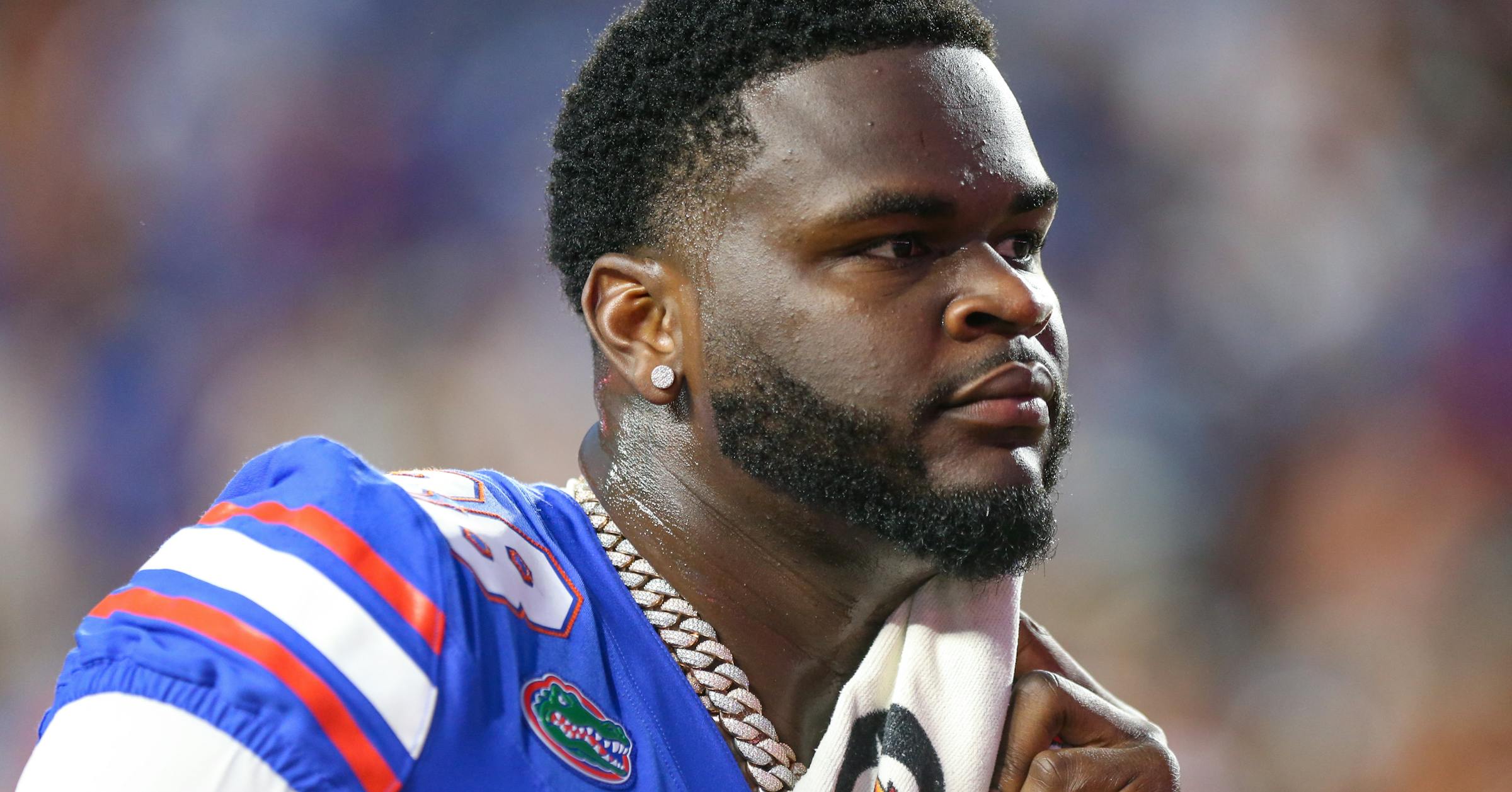
The Vikings used the 18th overall pick on Florida defensive tackle Caleb Banks, a high-upside but risky selection because of his history of foot injuries. The team passed on Oregon safety Dillon Thieneman at another position of need, making this a classic boom-or-bust draft decision rather than a clear positive or negative event. Coach Kevin O’Connell called Banks a top-10-caliber talent, underscoring the upside case.
This is less about one draft pick than about governance signaling: an interim decision-maker choosing a high-variance asset tells us the organization is prioritizing ceiling over process conservatism. In the near term, that can be bullish for internal alignment if the player develops, but it also raises the probability of reputational backlash if early injuries hit, because the decision will be framed as a test of executive judgment rather than roster-building. The market analog is a management team taking a visible swing right after a transition — it increases optionality, but it also shortens the leash.
The second-order effect is on the rest of the roster construction timeline. A premium pick spent on a volatile health profile increases pressure to find low-risk contributors later, which can force more conservative capital allocation across subsequent picks and free-agent decisions. If the player misses time early, the team may have to overpay for veteran depth, compressing future flexibility and making the original pick look even costlier in hindsight.
The contrarian read is that the consensus may be overweighting the injury label and underweighting replacement-level scarcity. If the player is truly a top-tier talent, the expected value of a late first-round selection can still be positive even with elevated bust risk, because the downside is capped at one pick while the upside is a multi-year mismatch creator. The key catalyst is not draft-night reaction; it is whether medical durability and availability stabilize over the first 6-12 months, which would rapidly re-rate the decision from recklessness to disciplined alpha generation.
AI-powered research, real-time alerts, and portfolio analytics for institutional investors.
Request TrialOverall Sentiment
neutral
Sentiment Score
-0.05
