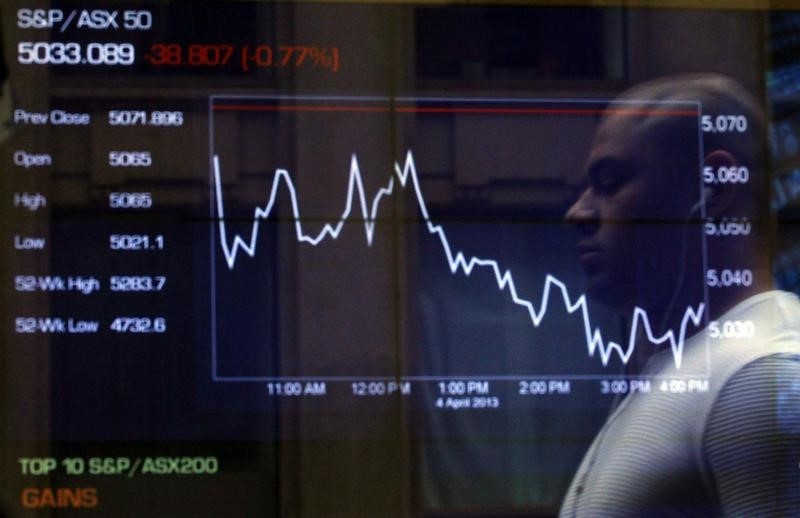
S&P/ASX 200 rose 1.85% as Gold, Metals & Mining and Materials led gains; DroneShield +18.21%, Liontown +11.29%, Paladin +10.93% while New Hope -5.48%, Beach Energy -5.30% and Whitehaven -4.51%. S&P/ASX 200 VIX fell 8.50% to 16.91 indicating lower equity volatility. Commodity moves were notable: Gold futures (June) +3.43% to $4,586.00/oz, WTI crude (May) -3.72% to $88.91/bbl and Brent (June) -4.13% to $96.09/bbl. FX was stable with AUD/USD around 0.70 and US Dollar Index futures -0.09% to 99.15.
The market reaction reflects a rapid compression of a geopolitical risk premium rather than a structural supply shock; that premium typically amounts to a $5–10/bbl swing when Middle East escalation expectations shift, so much of the move is a re-pricing of tail risk rather than a durable demand change. Because shale and shorter-cycle producers respond to sustained price moves with capex and rig count changes over 3–9 months, a temporary diplomatic thaw will hurt high-cost producers in the near term but only materially change US supply after a quarter or two if prices remain depressed.
Second-order winners are sectors with high fuel intensity and short margins — airlines, domestic transport, and petrochemicals — which see immediate margin relief and can pass through gains to operating leverage within a month; losers are high fixed-cost upstream names and oil‑service firms whose earnings depend on higher rig counts and higher day rates. Currency and volatility flows matter: a persistent slide in oil would shift risk parity and carry trades (AUD/JPY and commodity FX) while reducing demand for volatility hedges, pressuring implied vols lower and making short‑volatility carry attractive but riskier into any geopolitical reversal.
The principal reversal catalysts are binary: (1) breakdown of negotiations or a retaliatory event — reversal could occur within 24–72 hours of renewed hostilities; (2) a coordinated OPEC+ response to defend prices — expect policy signalling within 2–6 weeks and production adjustments realized over 1–3 months. Watchable metrics that will tell the next move: tanker rates (VLCC), WTI/Brent time‑spread structure, US crude inventories and US rig count deltas; these lead price trajectory more reliably than headline diplomacy.
Contrarian read: this knee‑jerk de‑risking likely overshoots. Inventories globally remain relatively tight and OPEC+ retains structural discipline; if talks stall, mean reversion of oil volatility is quick and amplified — shorting energy exposure without hedges risks sharp snap‑backs. Position sizing and explicit event hedges are therefore critical: trade the repricing, not a durable demand regime shift.
AI-powered research, real-time alerts, and portfolio analytics for institutional investors.
Request DemoOverall Sentiment
mildly positive
Sentiment Score
0.15
