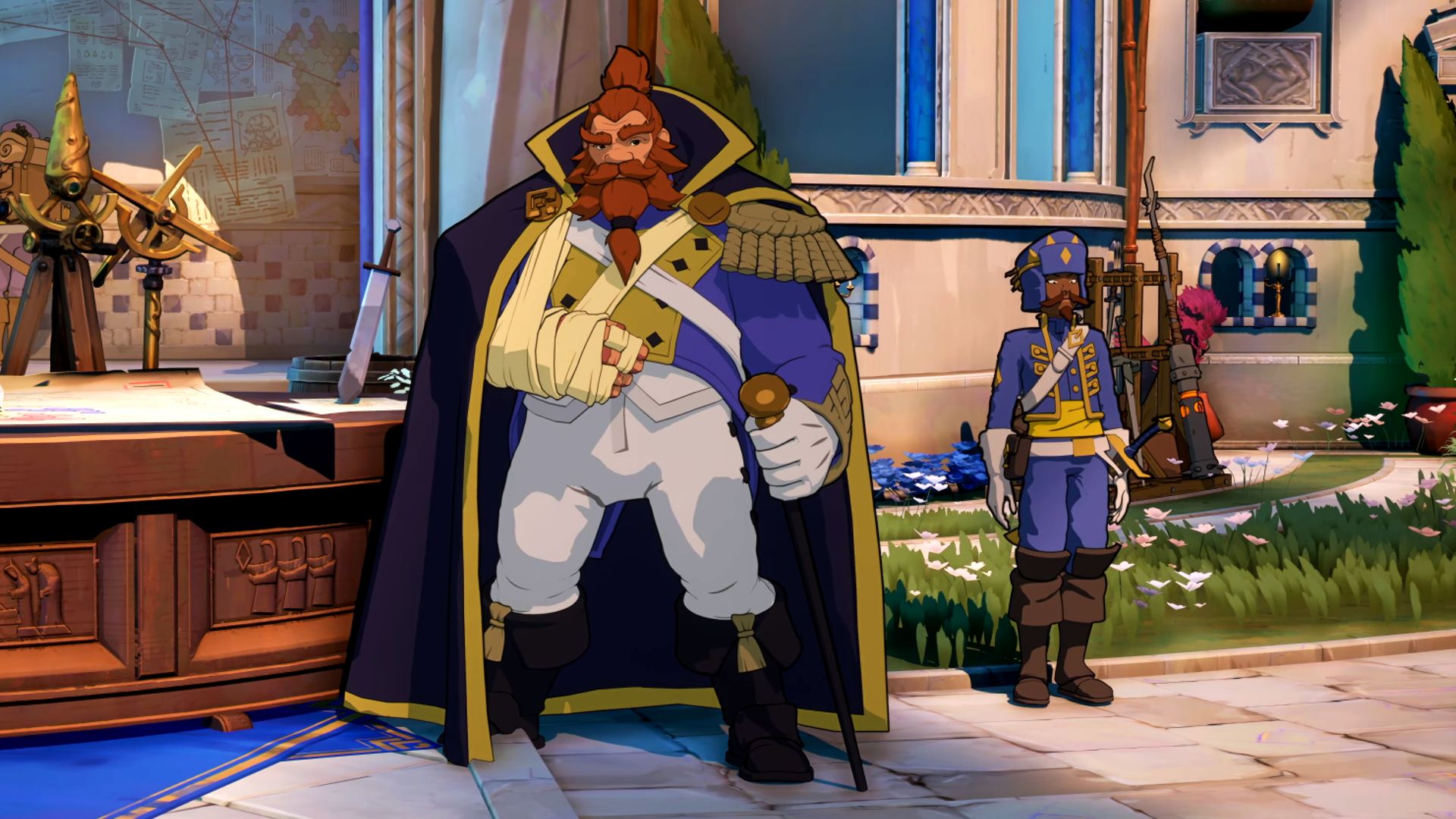
Stoic announced that Towerborne will pivot from its original free-to-play, always-online design to a buy-once, offline-capable release at 1.0 on February 26, 2026, across PC, Xbox (including Game Pass) and PS5. The launch includes removal of paid cosmetic purchases, completion of the main story with new content (side quests, bosses, biome), gameplay and systems reworks, and additional music; the move required substantial backend restructuring. There are no financial disclosures, but the change trades potential recurring monetization for a one-time-purchase model and player goodwill, a strategic shift with limited near-term public-market impact absent revenue or user metrics.
Market structure: This pivot benefits platform owners and subscription services (primarily Microsoft MSFT and to a lesser extent Sony SNE) because a premium, Game Pass-listed indie that is buy-once/offline can drive incremental engagement and reduce churn without diluting ARPU from microtransactions. Direct losers are mid/small-cap pure-play F2P/mobile monetization businesses (e.g., Roblox RBLX, Zynga ZNGA) where sentiment or regulation that favors buy-once models can compress forward LTV; pricing power shifts modestly toward platforms and premium publishers. Impact on supply/demand is structural rather than instantaneous—demand for premium single-purchase experiences appears resilient, signaling slower growth for microtransaction supply.
Risk assessment: Tail risks include poor technical migration (refunds/patch costs), Game Pass cannibalization/deal renegotiation with Stoic that could reduce upfront payout, or regulatory moves banning loot-box style monetization that accelerate industry-wide pivots. Immediate (days) risk is prelaunch sentiment and review previews; short-term (0–3 months) is launch performance and Game Pass charting; long-term (12–24 months) is measurable ARPU shift across the industry. Hidden dependency: Stoic’s revenue split with Xbox/PS fees and promotional placement determine financial outcome more than unit sales; catalysts are streamer adoption, Metacritic >80, and top-10 Game Pass ranking within 14 days.
Trade implications: Tactical: establish a modest 1–2% long position in MSFT or buy a 3-month call spread (e.g., May 2026, buy ATM, sell +10% OTM) to capture a 30–60 day engagement bump; pair this with a 0.5–1% short in RBLX (or 0.5% put position) given higher exposure to F2P sentiment reversal. Rotate 2–4% portfolio weight away from mobile/F2P names (ZNGA, RBLX) into platform/console names (MSFT, SNE) over the next 30 days. Entry/exit: add to MSFT if Towerborne hits top-10 Game Pass chart in first 14 days or Game Pass DAU/engagement reported +0.5% QoQ; cut exposure if negative reviews <65 or refund rates >3% in first month.
Contrarian angles: The market underestimates goodwill-driven retention value: a single well-reviewed premium title on Game Pass can raise incremental subscriber lifetime by >0.2–0.5% annually for a quarter, translating to meaningful dollars for MSFT at scale. Reaction may be underdone for platforms and overdone for brick-and-mortar microtransaction names—history (partial shifts after loot-box controversies 2017–2019) shows regulatory or consumer backlash can re-rate ARPU multiples. Unintended consequence: if this becomes a template, platforms will push fixed-fee deals that compress indie upside but enlarge platform bargaining power, concentrating value in MSFT/SNE over 12–24 months.
AI-powered research, real-time alerts, and portfolio analytics for institutional investors.
Request DemoOverall Sentiment
neutral
Sentiment Score
0.00
