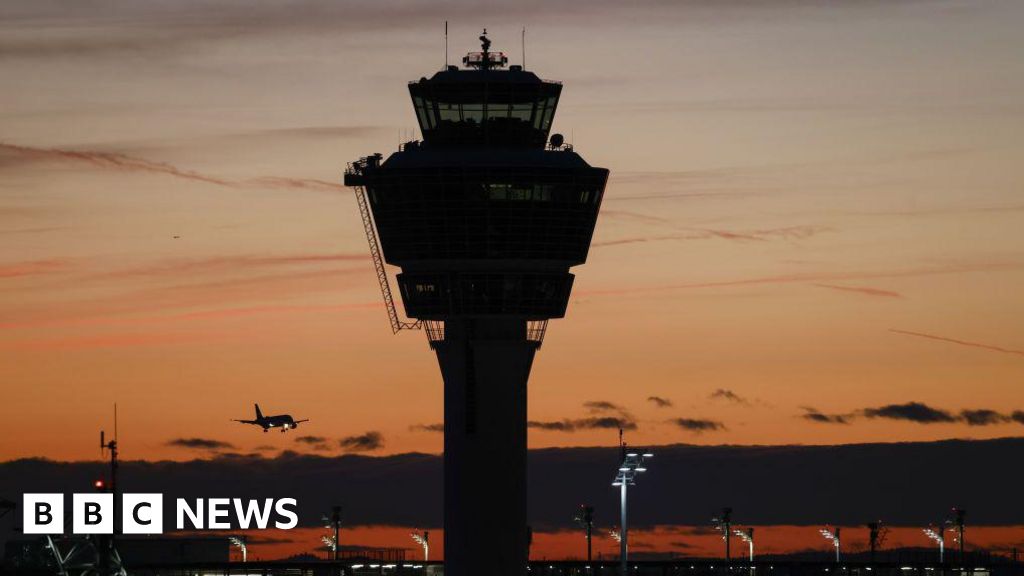
Germany has accused Russian military intelligence (GRU) and the Fancy Bear hacker group of conducting a cyber-attack on its air traffic control office in August 2024 and of running a disinformation campaign dubbed Storm 1516 to influence and destabilize the February federal election, targeting candidates Robert Habeck and Friedrich Merz; Berlin has summoned the Russian ambassador and warned it will coordinate counter-measures with European partners. The air navigation provider confirmed office communications were hacked but flights were not affected, while Moscow has denied the allegations as "absurd." The case underscores a broader pattern of suspected Russian hybrid activity across Europe and heightens risks of further diplomatic and security escalation between Germany and Russia.
Germany's foreign ministry has attributed a cyber-attack on air traffic control office communications in August 2024 to Russian military intelligence (the GRU) and the Fancy Bear hacker group, and says a disinformation campaign called Storm 1516 sought to influence February's federal election by targeting Robert Habeck and Friedrich Merz; Berlin has summoned the Russian ambassador and pledged coordinated counter-measures with European partners. The country's air navigation service provider confirmed office communications were hacked but stated flights were not affected, while Moscow has categorically rejected the accusations.
The complaint sits within a pattern of recent European attributions (the UK and Romania) and reflects a broader deterioration in Berlin–Moscow relations amid Germany's strong support for Ukraine and Chancellor Merz's public calls regarding frozen Russian assets; historical incidents such as the 2019 assassination and subsequent diplomat expulsions underscore persistent security tensions. The German statement that intelligence links the GRU to the incident increases the political probability of retaliatory measures, regulatory actions, or sanctions coordination with EU partners.
Market signals show moderately negative sentiment and a risk-off tone with a market impact score of 0.35, implying limited immediate systemic market disruption but elevated sectoral and idiosyncratic risk. Key implications are higher operational risk for infrastructure and travel-related firms exposed to cyber disruption, increased policy tail-risk for Russia-linked or sanctions-sensitive exposures, and potential demand upside for cybersecurity and defense-related vendors if governments step up counter-measures.
AI-powered research, real-time alerts, and portfolio analytics for institutional investors.
Request DemoOverall Sentiment
moderately negative
Sentiment Score
-0.45
