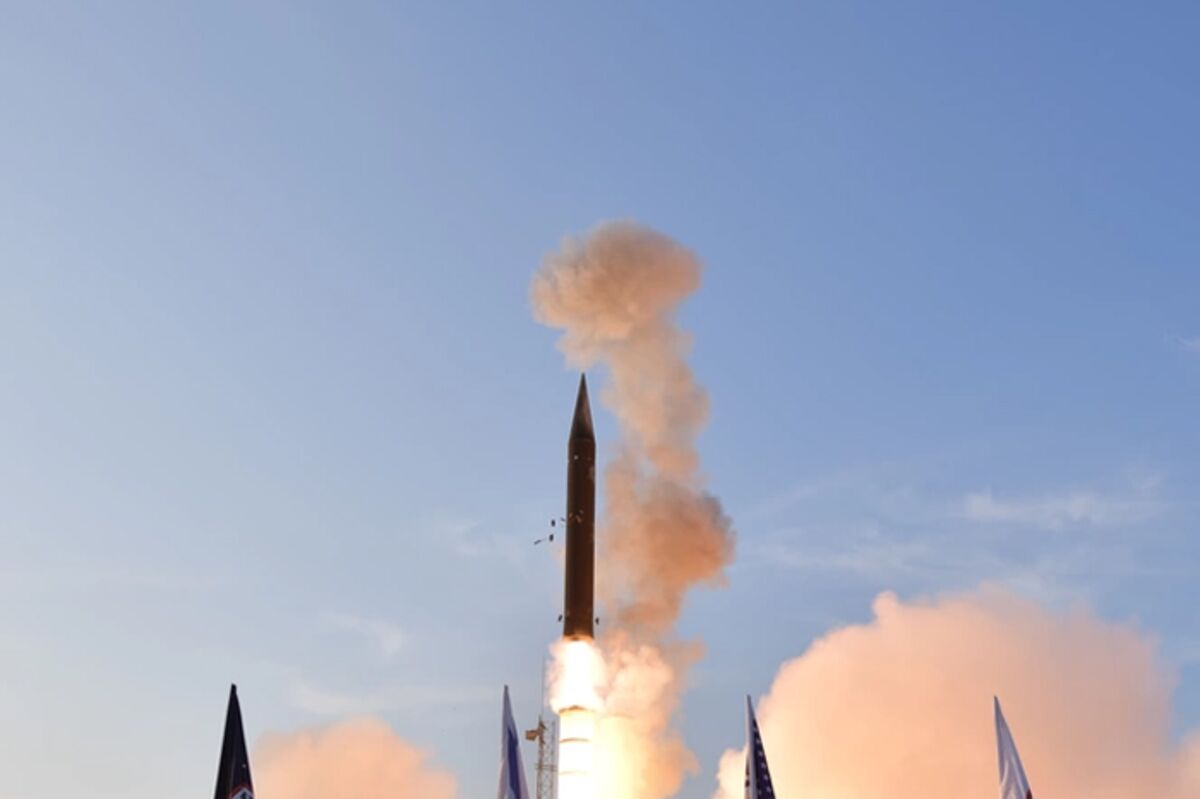
Israel will complete the handover of the Arrow 3 anti-ballistic missile-defense system to Germany, marking the first time another country will have independent access to the system under a contract signed just over two years ago. The agreement, Israel’s largest-ever defense export, is valued at more than €3.6 billion (about $4.2 billion) and includes launch systems, munitions and radar, representing a material defense-revenue win for Israeli industry with strategic implications for NATO-region air and missile defenses.
Market structure: Germany’s €3.6bn Arrow 3 purchase validates a high-margin, low-competition niche (exo-atmospheric interceptors) and signals durable government willingness to pay >€3bn per major air-defence tranche. Winners in the near term are national integrators and prime contractors that can capture systems-integration work in Germany (Rheinmetall, Hensoldt) and global primes that supply sensors/kill vehicles (LMT, RTX); smaller subsystem vendors face pricing pressure as primes internalize value. The deal tightens demand for specialized radars/launchers over the next 12–36 months, keeping supplier lead times and margins elevated but capping long-term pricing as capability diffusion rises.
Risk assessment: Tail risks include political reversal in Germany (coalition change cancelling/deferring payments), Israeli export-control disputes, or a technological failure during testing — each could wipe out >30% of expected near-term revenue for contractors. Immediate (days) market moves should be muted; short-term (weeks–months) is driven by supplier order-books and budget approvals; long-term (2–5 years) risks are margin erosion from technology transfer and increased competition. Hidden dependencies include German industrial offset demands, sovereign financing terms, and NATO interoperability requirements that shift content to local firms.
Trade implications: Tactical longs: 12–36 month exposure to large-cap defense primes and German integrators (RHM.DE, HAG.DE, LMT) — expect 20–35% upside if Germany expands program or signs follow-ons; implement via outright equity or 9–12 month call spreads 15–30% OTM to cap premium. Pair trade: overweight European defense integrators vs underweight commercial aerospace (short AIR.PA) to play budget reallocation. Use stop-losses of 10–12% and take-profits at 25–35%.
Contrarian angles: Consensus overweights U.S. primes; overlooked is that integration/IP and long tail sustainment work may remain concentrated with Israeli suppliers, muting upside for German equities. Historical parallels (Patriot sales to allies) show multi-year service revenue but limited immediate manufacturing margins for local primes; mispricing likely in small-cap European suppliers that lack long-term sustainment contracts. Unintended consequence: wider technology dissemination could trigger stricter export controls, compressing cross-border aftermarket revenues.
AI-powered research, real-time alerts, and portfolio analytics for institutional investors.
Request DemoOverall Sentiment
mildly positive
Sentiment Score
0.12
