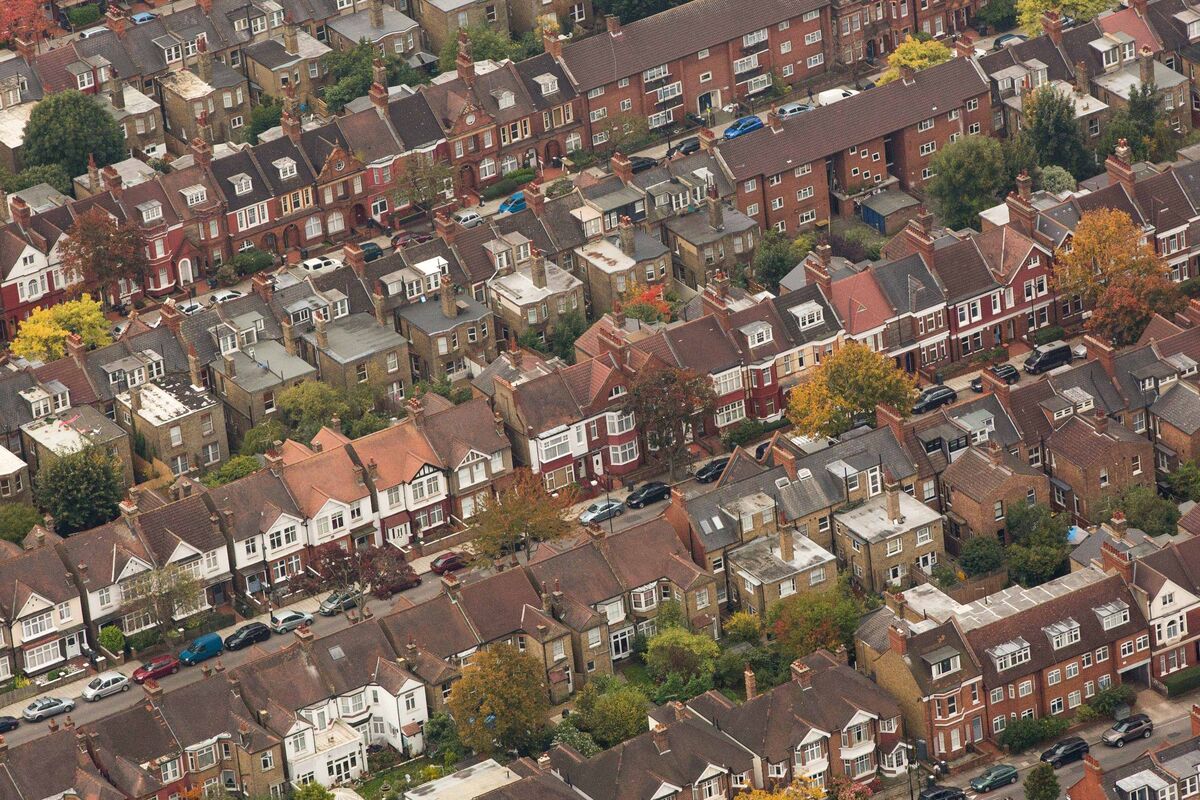
UK home prices increased for a second consecutive month in October, rising 0.3% to an average of £272,226, according to Nationwide Building Society. This follows a 0.5% gain in September, marking the first back-to-back increase since December and defying analyst expectations for stagnation, suggesting resilience among prospective buyers despite growing speculation of tax increases.
UK house prices recorded a second consecutive monthly increase in October, rising 0.3% to an average of £272,226, following a 0.5% gain in September, according to Nationwide Building Society. This marks the first back-to-back increase since December and notably defies prior analyst expectations for market stagnation.
This sustained growth indicates a surprising level of resilience among prospective buyers, particularly given the prevailing speculation regarding potential tax increases in the government's upcoming November budget. The moderately positive sentiment and optimistic tone associated with this data suggest underlying demand remains robust despite broader economic uncertainties and anticipated fiscal tightening.
The unexpected strength in the housing market could have positive implications for related sectors, including construction, home furnishings retail, and financial services, specifically mortgage lending. The market's ability to absorb potential fiscal headwinds will be a critical factor in determining the sustainability of this positive trend moving forward.
AI-powered research, real-time alerts, and portfolio analytics for institutional investors.
Request DemoOverall Sentiment
moderately positive
Sentiment Score
0.50
