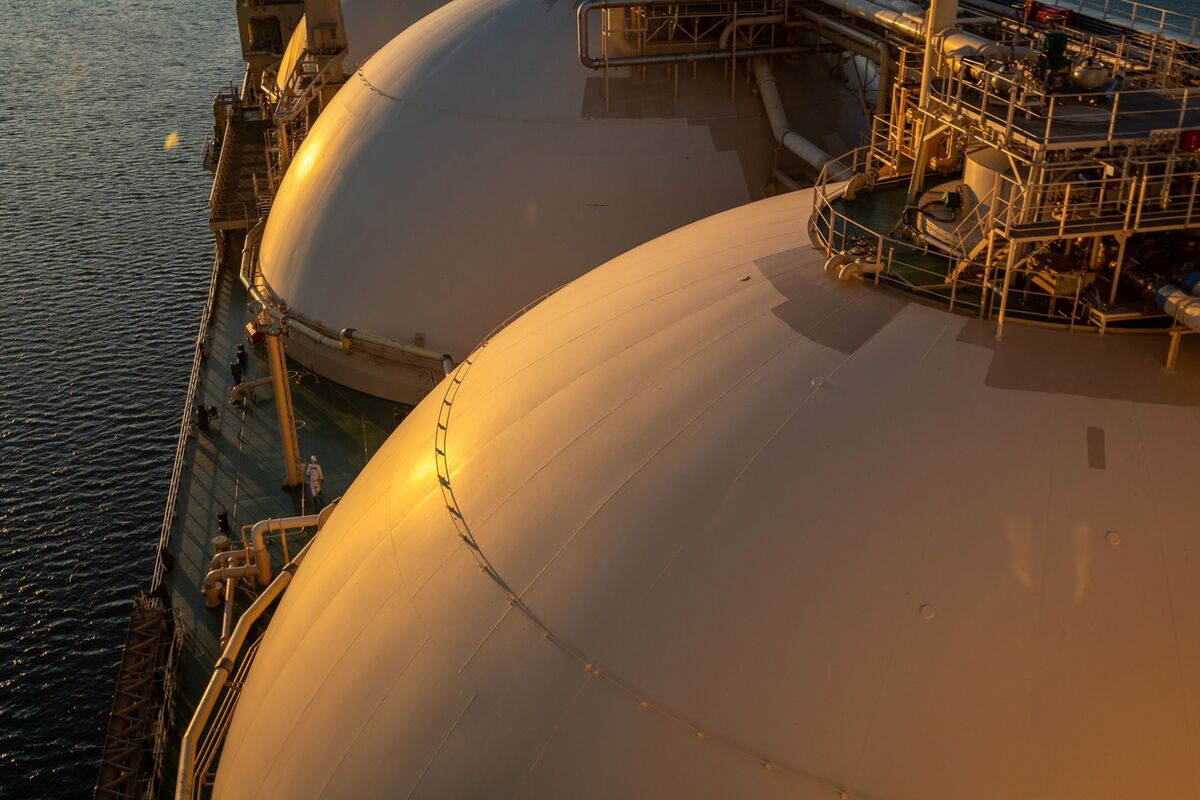
Egyptian General Petroleum Corp. (EGPC) canceled over 2 million barrels of planned fuel oil imports, approximately half of its June tender for July delivery, after securing substantial liquefied natural gas (LNG) supplies. This decision, following brief disruptions in Israeli gas, signals Egypt's accelerated shift towards LNG for power generation, reducing its reliance on costly petroleum cargoes for electricity generation.
Egypt's state-owned Egyptian General Petroleum Corp. (EGPC) has executed a significant and rapid pivot in its short-term energy procurement strategy, canceling orders for over 2 million barrels of fuel oil. This volume represents approximately half of the tender issued in June for July delivery, a move prompted by the successful acquisition of substantial liquefied natural gas (LNG) cargoes. The initial tender for the petroleum products was a direct response to a temporary disruption in natural gas supplies from Israel, highlighting the sensitivity of Egypt's power generation sector to regional supply chain stability. This decision to revert to LNG over more expensive fuel oil as soon as supply was secured demonstrates a clear economic preference and strategic intent to rely on gas for electricity production. The concurrent request to reschedule deliveries from a prior tender reinforces that this is a structural shift in near-term demand, not merely a one-off cancellation, which will directly impact regional fuel oil markets while signaling strengthened demand for spot LNG.
AI-powered research, real-time alerts, and portfolio analytics for institutional investors.
Request DemoOverall Sentiment
moderately positive
Sentiment Score
0.50
