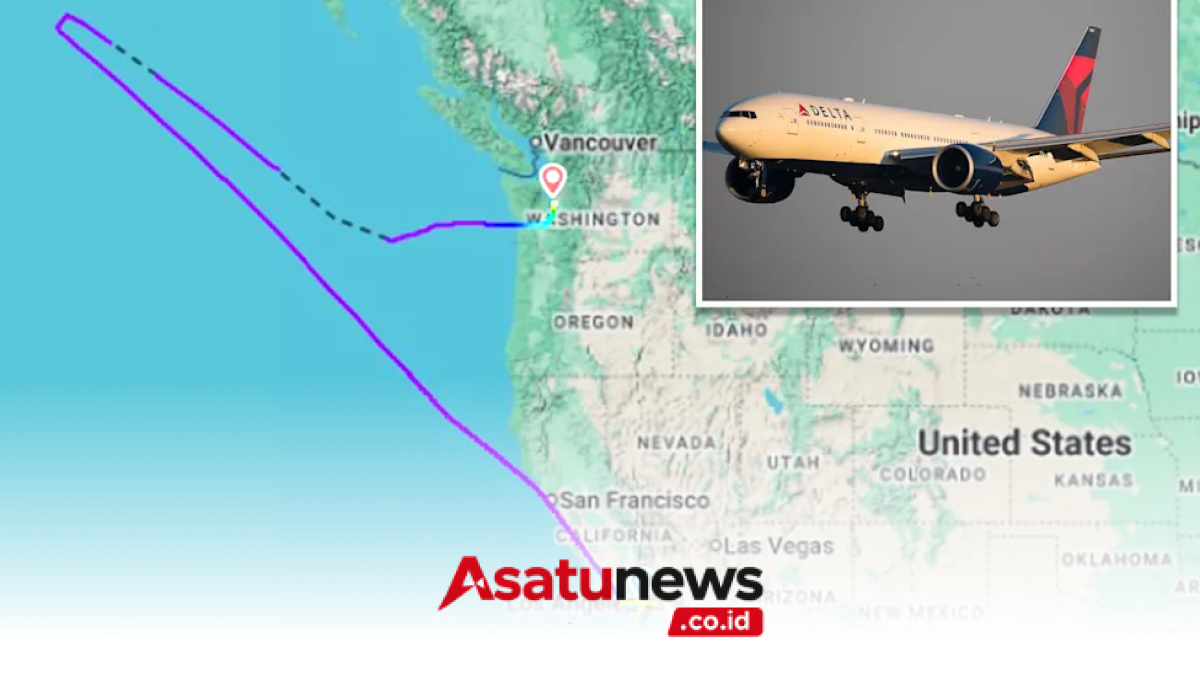
Delta Air Lines Flight 39, an Airbus A350-900 carrying 271 customers and 15 crew, diverted from its Los Angeles-to-Shanghai route to Seattle after a disruptive passenger repeatedly ignored crew instructions. The aircraft landed safely, law enforcement met it at the gate, and remaining passengers spent the night in Seattle before an expected Monday departure. The article also highlights a broader pattern of unruly passenger incidents affecting long-haul flights.
This is a modest negative for DAL, but the bigger market issue is not immediate revenue leakage; it is operational friction. A long-haul diversion consumes a high-value widebody, creates crew legality risk, and can cascade into aircraft and crew re-rostering on subsequent rotations, which is where the real margin leakage shows up over the next 24-72 hours. In an environment where premium long-haul capacity is already tightly managed, even isolated incidents can pressure on-time performance and increase disruption costs faster than the headline suggests.
The second-order winner is the broader aviation safety/services ecosystem: insurers, airport ops providers, and security screening vendors can see incremental demand if unruly passenger incidents keep trending up. For airlines, the reputational damage is asymmetric because the event is emotionally salient but statistically rare; that usually means the stock reaction can overshoot the direct earnings impact. The key question for DAL is whether this becomes part of a broader narrative around unruly behavior and international long-haul service complexity, which would matter more for premium mix and customer preference than the one-off incident itself.
The contrarian angle is that investors may overestimate the earnings impact and underestimate the signal on load-factor resilience. A diverted aircraft with full premium exposure is annoying, but it is not structurally demand-destructive unless it changes booking behavior or triggers regulatory scrutiny. If anything, the near-term setup is for a brief sentiment dip that may reverse once the flight completes and the incident fades, unless there is evidence of repeated operational incidents or materially higher security-related costs over the next quarter.
AI-powered research, real-time alerts, and portfolio analytics for institutional investors.
Request DemoOverall Sentiment
mildly negative
Sentiment Score
-0.15
Ticker Sentiment
