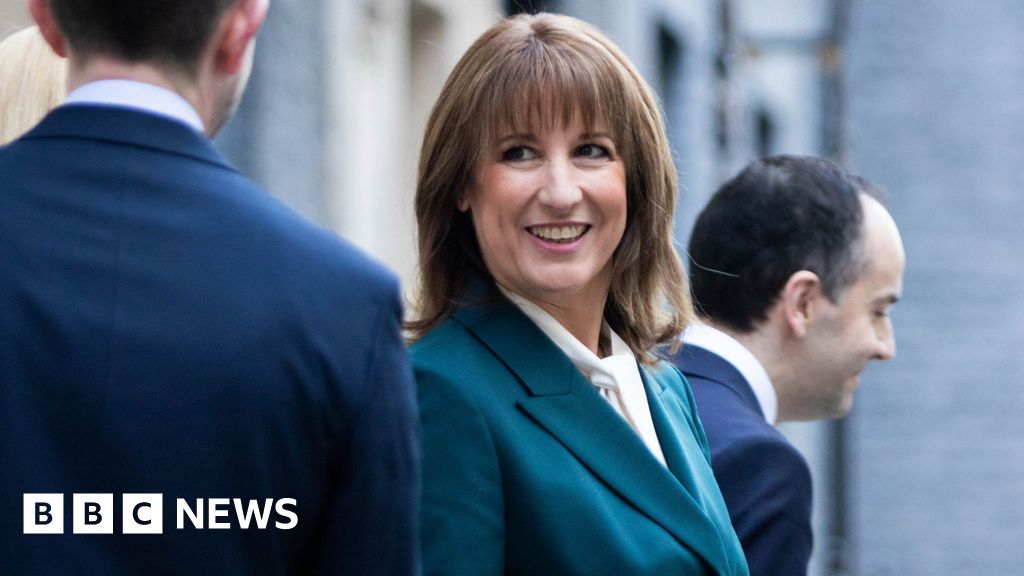
Chancellor Rachel Reeves delivered a Budget that borrows to fund near-term political priorities while freezing income tax thresholds until 2031, a move that pulls almost one in four taxpayers into the higher-rate band and pushes tax receipts to record levels by 2028. The OBR’s unexpectedly stronger starting point and an optimism that AI could lift productivity reduce the fiscal strain, and the plan aims to create c.£22bn a year of headroom around borrowing targets later this decade; markets reacted calmly with gilt yields down as much as ~10 basis points. The package buys political breathing space but increases long-term tax burdens, leaving growth and Bank rate cuts as the critical variables for whether the extended threshold freeze is ever realised.
Market structure: The Budget buys near-term political and market stability (OBR headroom to ~£22bn/year) while pushing material fiscal tightening into 2028–31 (income-tax threshold freeze; ~1-in-4 moved into higher rate). Immediate winners are long-duration UK bonds and large-cap, internationally diversified exporters/banks (less sensitive to domestic consumption); losers are domestic-facing discretionary retailers, small caps and FTSE 250 constituents who will see demand compression as household disposable income is tightened. Lower planned gilt issuance + calmer markets pushed yields ~10bp lower intraday, signaling temporary demand > supply for gilts.
Risk assessment: Tail risks include (1) OBR productivity/AI upside failing to materialize and markets re-pricing a fiscal shock (gilt yield spike >50–100bp), (2) renewed political fracture forcing earlier austerity or U-turns, and (3) a growth shock from higher taxes causing recession. Immediate (days) — volatility suppression; short-term (0–12 months) — policy uncertainty around BoE cuts and consumption; long-term (2028–31) — structural tax drag on growth. Hidden dependencies: consumer savings drawdown, BoE reaction function, and how much AI-driven productivity actually lifts tax base.
Trade implications: Favor duration and quality in UK rate-sensitive instruments over domestic cyclicals. Tactical: increase UK gilt duration exposure for 3–12 months targeting 20–40bp yield compression; overweight FTSE 100 / large-cap banks for 6–12 months while shorting FTSE 250 or buying FTSE 250 put spreads 3–9 months to express domestic demand risk. Use option collars/put-spreads to limit capital at risk given tail downside; monitor 10y gilt yield >3.8% as stop-loss and GDP prints (q/q) <0.2% as a catalyst to add defensives.
Contrarian angles: The consensus assumes fiscal tightening will permanently suppress growth into 2028; that may be underdone if AI productivity and pent-up corporate capex revive growth and force threshold freeze reversal — a regime where domestically exposed stocks and cyclical cyclicals re-rate higher. Conversely, markets have likely underpriced a negative fiscal surprise: if yields re-price +75–100bp, UK equities (esp. mid/small caps) could materially underperform. Historical parallel: 2010–12 UK austerity produced multi-year domestic underperformance vs. large exporters; however a faster-than-expected productivity shock would flip that outcome rapidly.
AI-powered research, real-time alerts, and portfolio analytics for institutional investors.
Request DemoOverall Sentiment
mixed
Sentiment Score
-0.05
