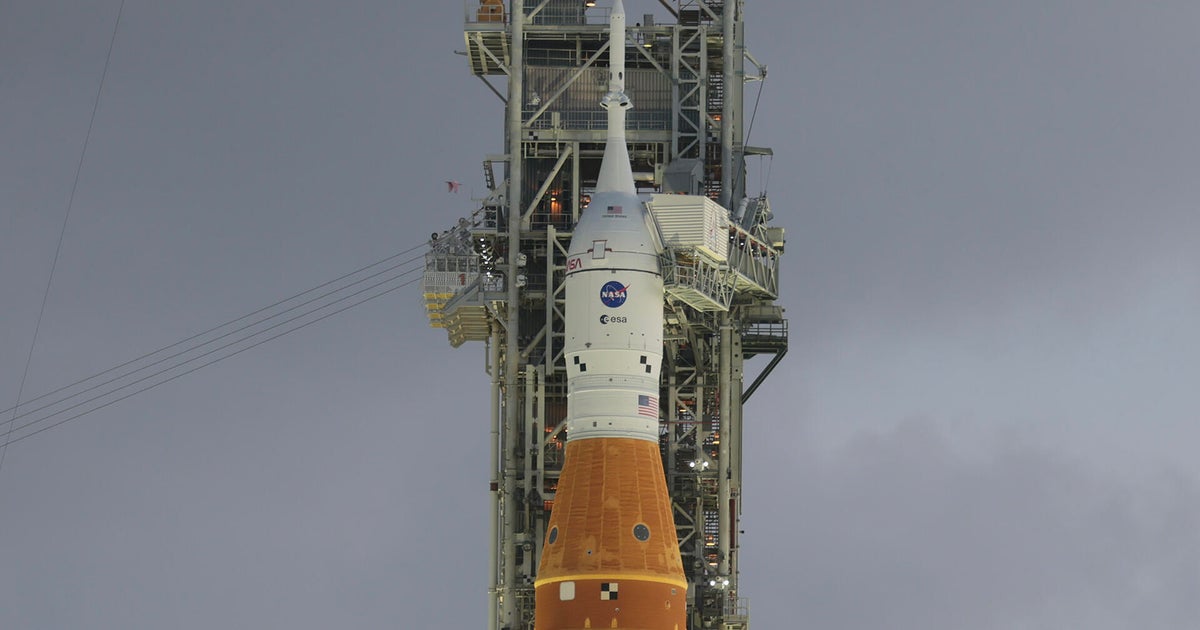
Artemis II, NASA's first crewed lunar flight in 53 years, will carry MIT Lincoln Laboratory–developed laser (optical) communications on the Orion spacecraft at Wednesday's liftoff. The system delivers much higher data throughput with lower power and smaller terminals—enabling 4K video and richer telemetry—and is positioned to support NASA's planned 2028 moon landing and longer-term Mars exploration.
Optical laser communications materially shifts margin capture away from legacy RF subsystem suppliers to specialized photonics and pointing/tracking component makers. Expect the first 12–36 months of incremental procurement to concentrate on narrow-linewidth lasers, fast-steering mirrors, and space-qualified optics — a supply-chain upgrade that is capital-light for spacecraft integrators but demand-heavy for precision component vendors.
Second-order beneficiaries include ground-station operators that can monetize higher-throughput schedules (more passes per day for imagery/telemetry) and cloud/edge software vendors that will package and deliver higher-resolution sensor streams; conversely, companies whose business models depend on RF capacity scarcity (high-margin transponder operators, some legacy satcom integrators) face margin compression. The tech also raises procurement and classification vulnerabilities: single-source specialty optics and export-controlled components create concentration and geopolitical tail-risk in a 2–5 year horizon.
Key operational risks that can reverse the optimism are not semiconductor cycles but physics and certification: atmospheric attenuation, cloud coverage, fine-pointing reliability, and a 2–6 year NASA/DoD certification cadence. That suggests revenue recognition will be lumpy and backloaded — strong headlines at mission milestones, but muted cashflow until repeatability and standards (interoperability, pointing protocols) are proven across multiple missions.
AI-powered research, real-time alerts, and portfolio analytics for institutional investors.
Overall Sentiment
moderately positive
Sentiment Score
0.35
