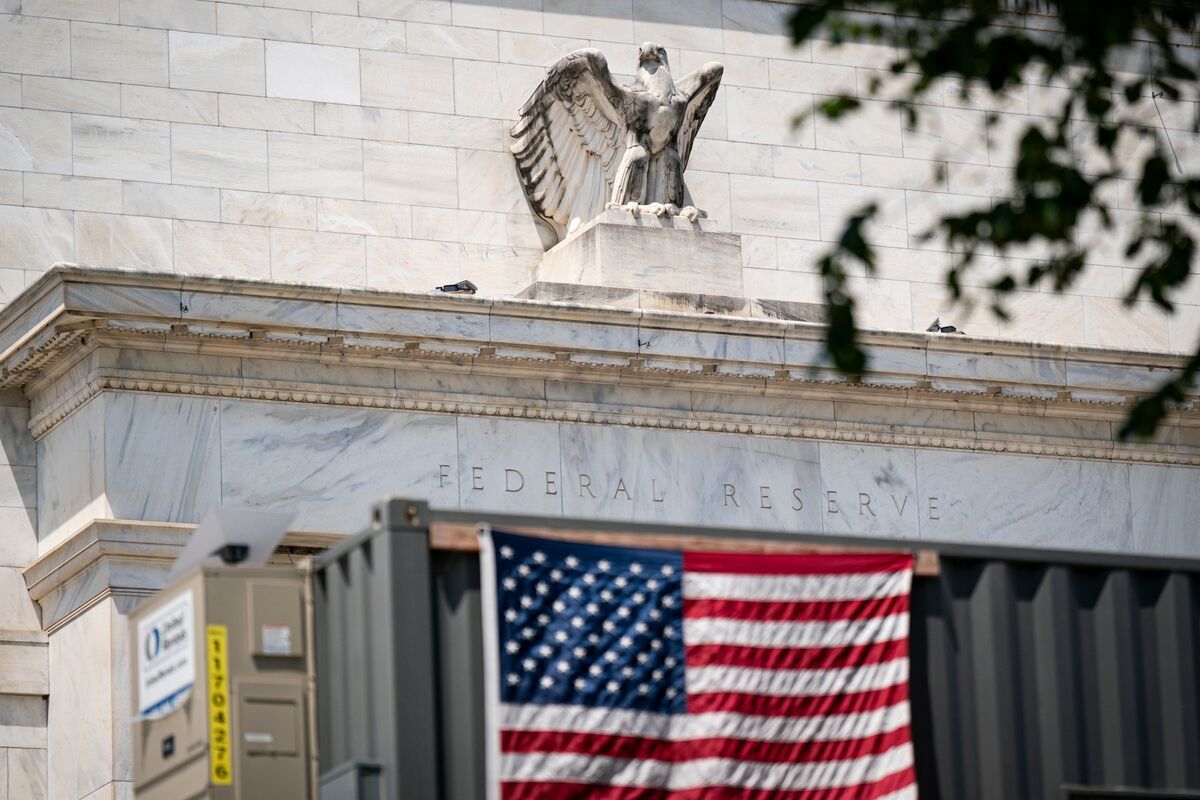
The June jobs report indicated US employers added a stronger-than-expected 147,000 jobs, with the unemployment rate ticking down to 4.1%. This robust labor market data alleviates immediate pressure on the Federal Reserve to implement an interest-rate cut this month, suggesting the central bank will likely maintain its current policy stance until at least the fall.
The June jobs report indicates a resilient labor market, with the U.S. economy adding 147,000 jobs, a figure that surpassed consensus estimates. This job growth, coupled with the unemployment rate declining to 4.1%, provides a key data point that significantly reduces the pressure on the Federal Reserve to implement an interest-rate cut in the near term. Consequently, the central bank is now widely expected to maintain its current policy stance, effectively putting monetary easing on hold until at least the fall. This development, flagged with a high market impact score of 0.7, shifts the short-term macro landscape by tempering arguments for immediate stimulus and reinforcing a data-dependent approach from the Fed.
AI-powered research, real-time alerts, and portfolio analytics for institutional investors.
Request DemoOverall Sentiment
moderately positive
Sentiment Score
0.50
