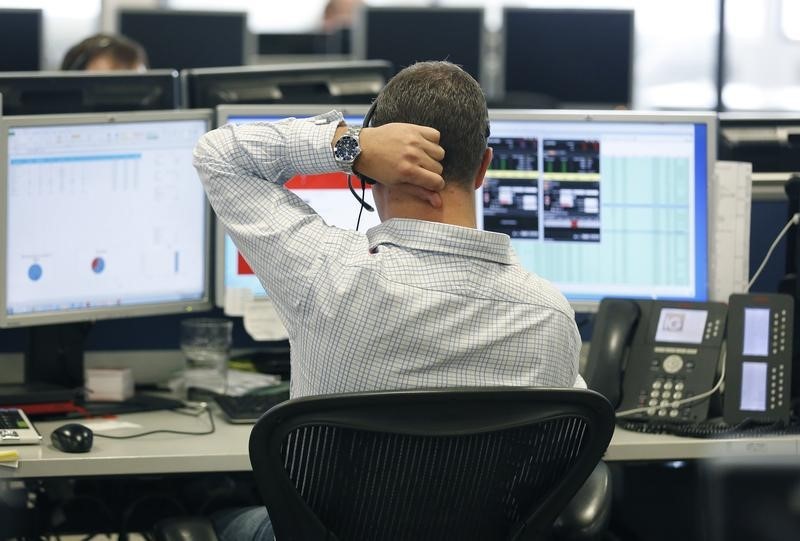
UK and European markets traded lower as renewed U.S.-Iran tensions weighed on risk appetite, with the FTSE 100 down 1.13%, DAX off 1.2%, CAC 40 down 1% and GBP/USD lower 0.52% at 1.3540. On the corporate side, On the Beach reinstated full-year adjusted pretax profit guidance at £18 million-£25 million, far below the £38.5 million-£42 million expected, while Wizz Air warned of a difficult environment and Imperial Brands flagged potential cost and demand pressure from the conflict. Greggs and Marston’s were more resilient, but the overall tone remained defensive.
The immediate market read is not about the headlines themselves but about the distribution of outcomes: a sustained Hormuz disruption would reprice energy, transport, and discretionary travel assets within days, while a short-lived escalation mostly hits sentiment and FX. The bigger second-order effect is that companies with destination exposure to the eastern Med and Red Sea-adjacent routes can see booking volatility long before any actual capacity loss, which tends to compress multiples faster than earnings estimates. Sterling weakness adds a second layer of pressure for UK domestic importers and consumer-facing names via higher input costs and softer real demand.
Among the UK updates, the clearest relative winners are firms with pricing power and low demand elasticity, while the losers are businesses whose guidance depends on consumer willingness to book travel or absorb higher fuel-linked costs. Travel names are the most vulnerable because conflict headlines create an immediate substitution effect away from nearby leisure corridors even when operations remain intact; that makes earnings revisions lag the share price move. In contrast, pub and food-led consumer names are better insulated if they can pass through cost inflation, but they still face margin risk if commodity and logistics costs stay elevated for more than a quarter.
The market may be underestimating how quickly a renewed military operation could widen the gap between headline risk and fundamental damage. If the Strait of Hormuz stays open, the right trade is to fade the panic in cyclicals and buy quality domestic earners on weakness; if it closes even partially, shipping insurance, aviation fuel, and regional travel names will see a nonlinear hit. The key catalyst window is days, not months: this is a volatility event until there is clarity on U.S. escalation, and that argues for tactical rather than structural positioning.
AI-powered research, real-time alerts, and portfolio analytics for institutional investors.
Request DemoOverall Sentiment
moderately negative
Sentiment Score
-0.48
Ticker Sentiment
