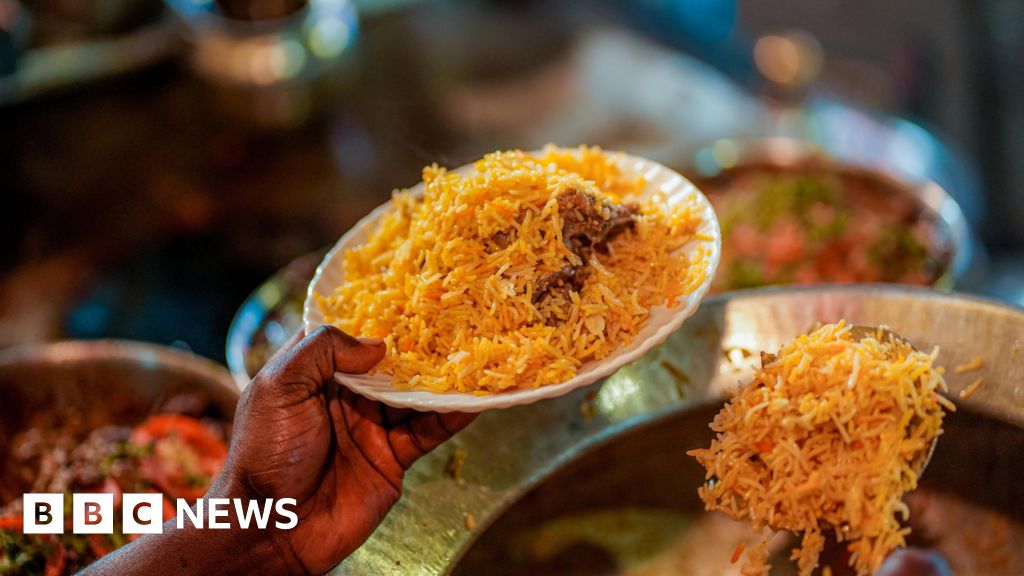
UNESCO has designated Lucknow as a Creative City of Gastronomy, joining a global network described in the article as 408 cities across more than 100 countries and becoming only the second Indian city after Hyderabad (2019) to receive the accolade. The recognition highlights Lucknow's historic Awadhi cuisine, iconic dishes and slow-cook techniques, and is likely to raise international awareness and modestly boost culinary tourism, foot traffic to legacy eateries and local consumer demand, but it is unlikely to produce material impact on public markets.
Market structure: UNESCO recognition is a demand catalyst for Lucknow-specific travel, benefiting domestic OTAs (MakeMyTrip - MMYT), regional hotel operators (Indian Hotels Co. - IHCL.NS) and experiential F&B chains; expect a modest reallocation of discretionary spend from metro casual dining to experiential travel over 12–36 months. Pricing power will be strongest in boutique hotels and guided food-tour operators where capacity is tight (occupancy gains of 3–7% likely in 12–24 months), while mass QSRs see only incremental upside. Cross-asset impact is muted: INR may firm by 0–1% on incremental tourist FX inflows over a year, sovereign spreads unchanged, commodity impact (spices/dairy) negligible.
Risk assessment: Tail risks include rapid gentrification/regulation forcing legacy street vendors to close or uplift costs (local hygiene licensing within 6–18 months), political unrest in Uttar Pradesh disrupting tourism for quarters, and a COVID or geopolitical shock reversing flows. Immediate (days) effect is negligible; short-term (weeks–months) could see OTA search volume spikes around festivals; long-term (1–3 years) drives structural experiential-tourism growth. Hidden dependencies: road/air connectivity upgrades, visa policies and targeted marketing budgets will determine capture rate; absence of government promotion curbs upside.
Trade implications: Direct plays: overweight MMYT (domestic + inbound booking leverage) and IHCL.NS (upscale hotels) with small sizing (1–3% each); pair trade long boutique hospitality / short national QSRs where footfall may rotate. Use 3–9 month call spreads on MMYT to play booking seasonality and buy 12–24 month exposure to India via INDA ETF for diversified capture of tourism-led GDP. Entry: scale into positions over next 4–8 weeks ahead of winter/festival travel window; trim into strength >15%.
Contrarian angles: Consensus understates time-to-monetize UNESCO branding — empirical parallels show city designations often deliver 5–15% tourist lift only after 12–36 months, not immediately. Risk of overpaying for headline winners is real; prefer option-defined upside (call spreads) or ETFs versus long-only small regional names. Unintended consequence: heavy promotion without vendor support can hollow out the authentic supply chain, capping long-term revenue per-visitor; monitor local licensing and footfall data for early signs.
AI-powered research, real-time alerts, and portfolio analytics for institutional investors.
Request DemoOverall Sentiment
mildly positive
Sentiment Score
0.28
