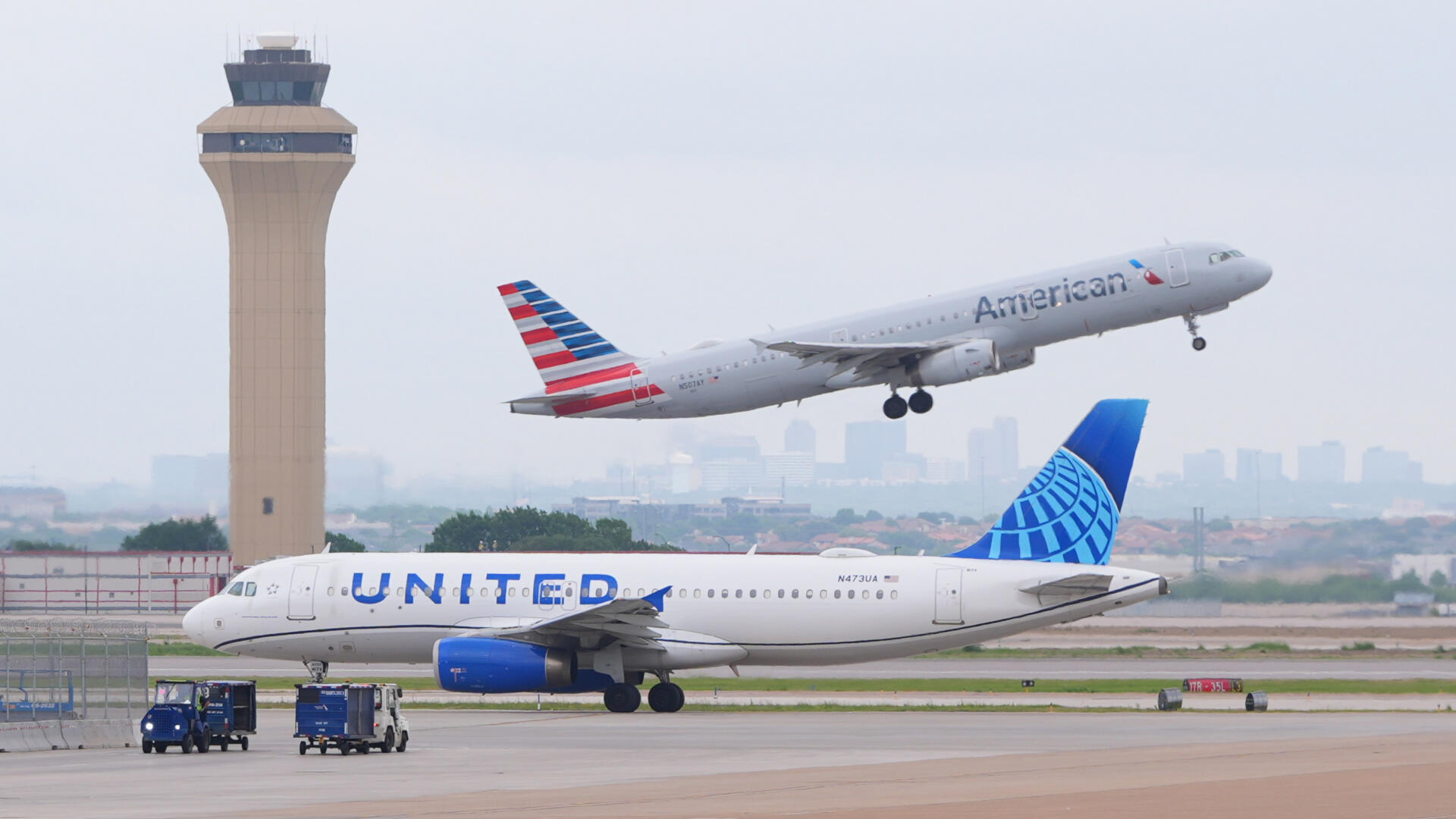
Jet fuel prices have nearly doubled since the start of the U.S.-Israeli war on Iran, creating a meaningful cost headwind for airlines and potentially higher fares for summer travelers. The piece frames the move as a direct consequence of escalating geopolitical risk and stalled negotiations, with implications for transportation and travel sectors.
The immediate market read is not just higher airline fuel expense, but a compression event for carriers with weak pricing power and high exposure to short-haul discretionary demand. The first-order hit lands in margins, but the second-order effect is capacity discipline: airlines with stronger balance sheets can preserve yields by trimming marginal routes, while weaker operators will be forced to choose between load factors and fare hikes. That creates a relative-value opportunity across the industry rather than a simple sector-wide short.
The bigger medium-term issue is that this kind of geopolitical shock tends to reprice “travel optionality” faster than it reprices fuel hedges. Even if airlines are partially covered in the next quarter, consumers facing higher ticket surcharges and broader energy inflation tend to delay leisure trips with a 1-2 quarter lag. That makes the downstream damage broader than airlines: OTAs, hotels, and cruise operators can see booking conversion weaken before hard demand data turns.
The contrarian angle is that the move may already be close to peak pain for front-month fuel if markets start pricing any diplomatic off-ramp or non-linear supply response. When energy spikes are driven by conflict risk rather than a clean physical outage, volatility is usually higher than the eventual realized average price; that favors option structures over outright directional shorts. The key catalyst window is days-to-weeks for headlines, but months for true demand destruction in travel.
If the standstill persists, the strongest fundamental losers are carriers with thin operating margins and high domestic leisure mix, while the relative winners are fuel hedgers and less travel-sensitive businesses. Watch for a delayed benefit to non-U.S. carriers or cargo operators if U.S. airlines raise fares first and lose share on price-sensitive routes. Any credible ceasefire/diplomatic breakthrough would reverse the trade quickly, but absent that, the larger risk is a self-reinforcing loop of higher fuel, higher fares, and softer summer bookings.
AI-powered research, real-time alerts, and portfolio analytics for institutional investors.
Request DemoOverall Sentiment
mildly negative
Sentiment Score
-0.35
