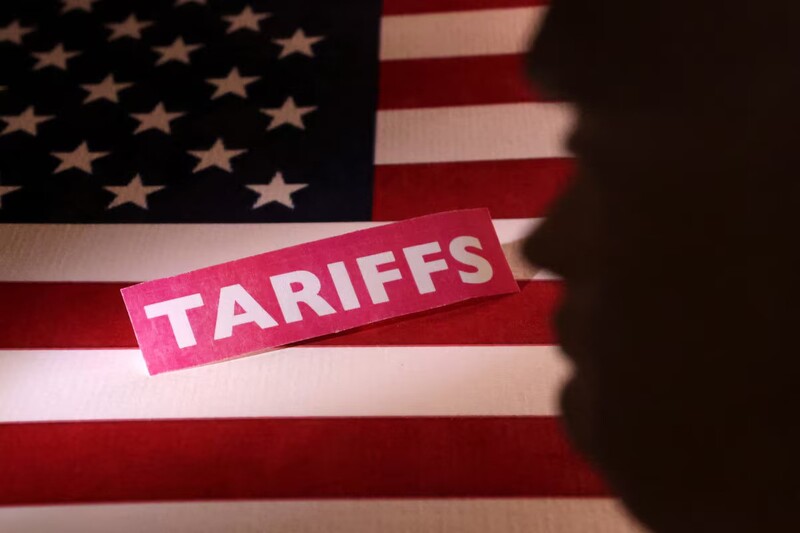
The Trump administration is processing more than $35.5 billion in tariff refunds after a Supreme Court ruling found the tariff policy unlawful, with over 8 million import entries affected and more than 87,000 declarations validated so far. The ruling and refund process remove a major tariff overhang for importers but signal a significant policy reversal, with some early payments already reaching importers. The headline helped fuel a risk-off move in chip stocks, including Samsung and Nvidia, as tariff-related uncertainty weighed on the sector.
The market is treating this as a one-off tariff headline, but the more important signal is procedural: once refund mechanics are operationalized, tariff policy becomes a contingent liability rather than a clean revenue stream for the government. That matters for chip hardware because the sector’s supply chains are highly cross-border and inventory-heavy; even the prospect of retrospective duty reversals changes how importers hedge, pre-buy, and negotiate pricing. In the near term, that tends to hit the most sentiment-sensitive semis first, especially names with crowded AI exposure where valuation already embeds perfect execution. NVDA is the cleaner read-through than SMCI or APP: the direct economic effect is not large enough to impair demand, but the stock is vulnerable to any compression in AI multiple support when policy risk shifts from inflationary to legal/administrative uncertainty. If tariffs are increasingly seen as refundable, the bigger second-order effect is lower willingness to pay up for domestic assembly and onshore capex narratives, which can pressure the whole “supply-chain re-shoring” basket over the next 1-3 months. SMCI and APP look less exposed fundamentally, but they can still get de-risked alongside semis because they are owned in the same factor bucket. The contrarian view is that this may ultimately be bullish for semis at the margin: if importers believe duties can be clawed back, some of the policy premium embedded in hardware costs should unwind, improving channel economics and potentially accelerating replacement cycles. The problem is timing — refunds are slow, incomplete, and operationally messy, so the stock market will discount the legal uncertainty immediately while only partially capitalizing the eventual cash return. That asymmetry argues for trading the headline risk now, not the eventual reimbursement value.
AI-powered research, real-time alerts, and portfolio analytics for institutional investors.
Overall Sentiment
mildly negative
Sentiment Score
-0.25
Ticker Sentiment
