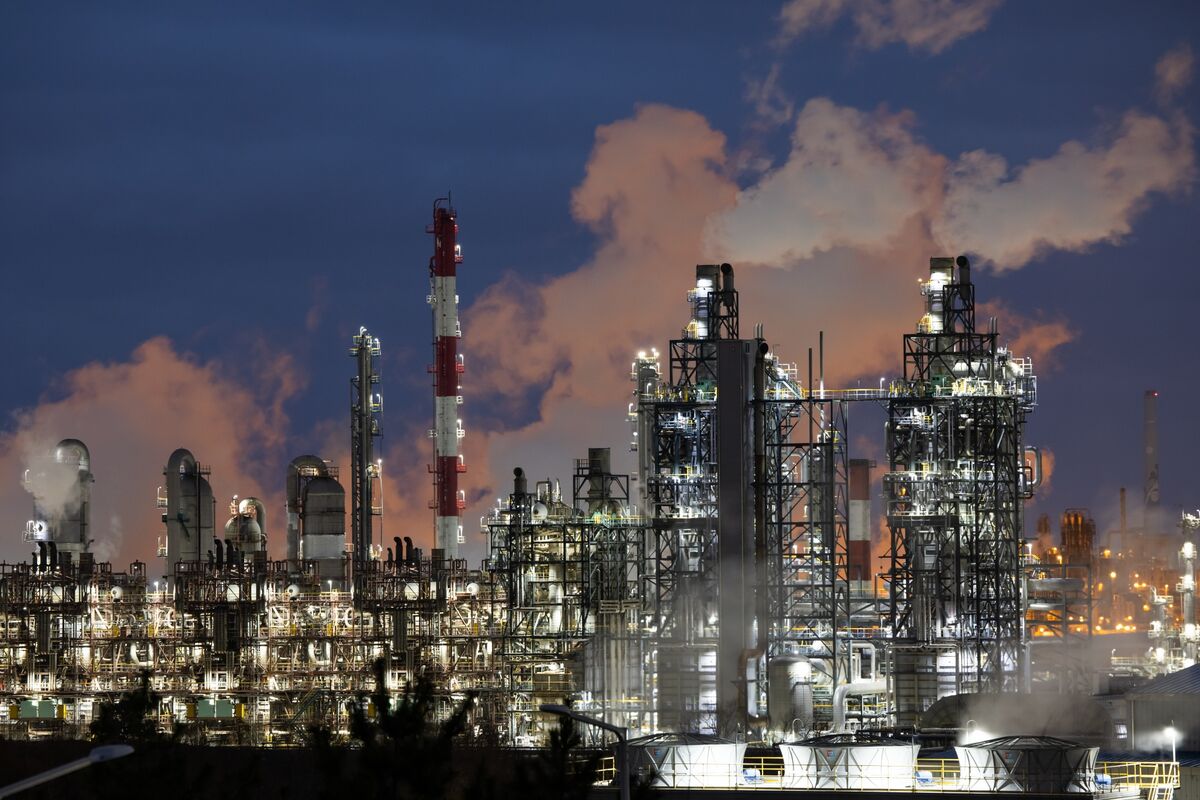
South Korea is urging its petrochemical industry to restructure amid rising debt risks, following a near-default by a major player that has intensified financial concerns. The government has signaled potential intervention, with a 100 trillion won ($72 billion) market stabilization program on standby, despite officials currently seeing no signs of broader market contagion. This highlights increasing financial stress within a key industrial sector and the proactive stance of authorities to mitigate potential systemic risk.
South Korea's petrochemical sector is exhibiting severe financial distress, punctuated by a near-default of a major participant that has escalated concerns over corporate debt. In response, authorities are publicly calling for industry restructuring and have signaled a readiness to intervene, placing a 100 trillion won ($72 billion) market stabilization program on standby. This fund was previously utilized during the 2022 Legoland-related credit crisis, indicating the government views the current situation with significant gravity. Despite this proactive stance, financial regulators have noted the absence of broader market contagion thus far, suggesting the issue remains concentrated. The situation highlights a critical tension between sector-specific weakness and the potential for a systemic credit event, with the government's preemptive posture designed to mitigate this tail risk.
AI-powered research, real-time alerts, and portfolio analytics for institutional investors.
Request DemoOverall Sentiment
strongly negative
Sentiment Score
-0.60
