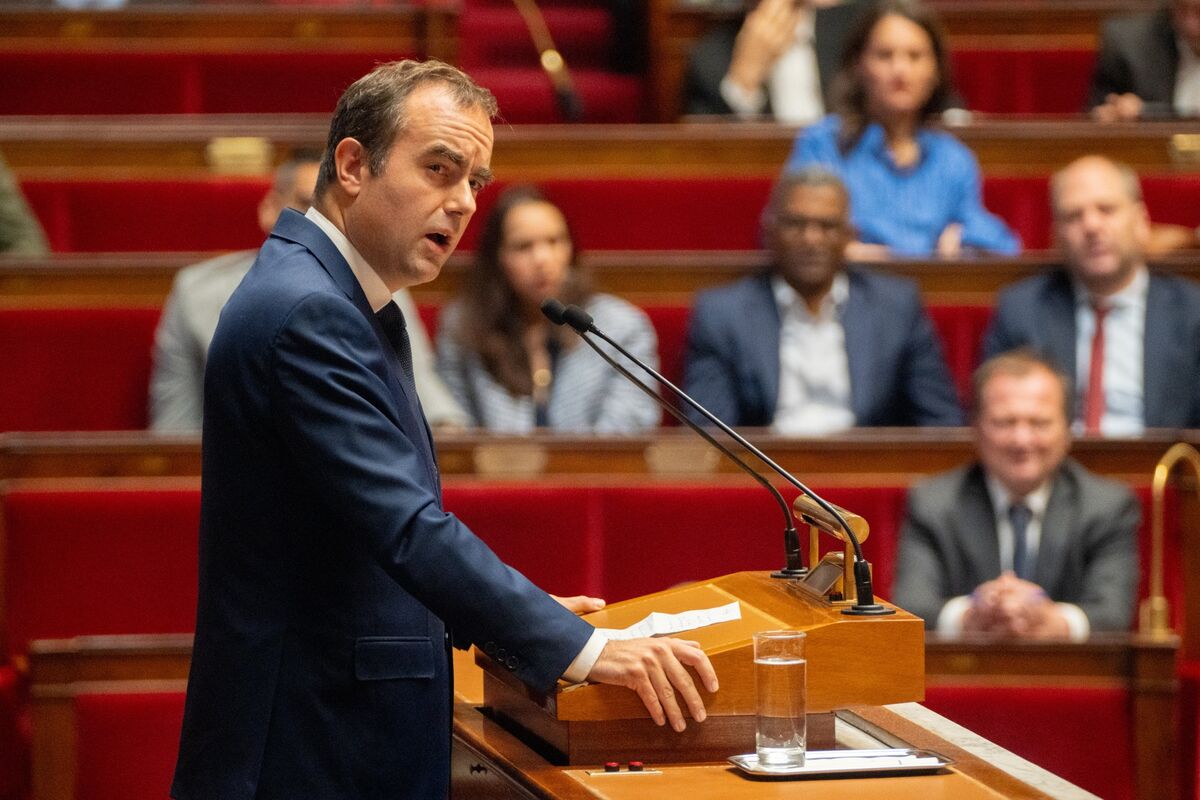
French Prime Minister Sebastien Lecornu announced that the nation's budget deficit must fall below 5% of GDP in 2026, a critical target as the National Assembly debates the government's fiscal plan. This objective aims to reduce the deficit from a projected 5.4% in 2025 to 4.7% in 2026, signaling a commitment to fiscal consolidation amidst ongoing parliamentary negotiations.
French Prime Minister Sebastien Lecornu has articulated a firm commitment to fiscal consolidation, stating the budget deficit must fall below 5% of GDP in 2026. This objective is set against the government's current fiscal plan, which aims for a reduction from an estimated 5.4% in 2025 to 4.7% in 2026. This signals a clear policy direction towards improved public finances.
The announcement comes as the National Assembly begins debating the government’s fiscal plan, indicating that while the target is set, there is still room for parliamentary negotiation on the specific measures. The mildly positive sentiment (0.3) and neutral tone suggest that while this commitment is viewed favorably, its ultimate success and market impact (0.5) will depend on the effective implementation and political consensus.
This focus on deficit reduction is critical for maintaining investor confidence in French sovereign debt and could influence bond yields. The stated goal of reducing the deficit below 5% for 2026, specifically targeting 4.7%, provides a concrete benchmark for assessing France's fiscal health amidst broader European economic concerns.
AI-powered research, real-time alerts, and portfolio analytics for institutional investors.
Request DemoOverall Sentiment
mildly positive
Sentiment Score
0.30
