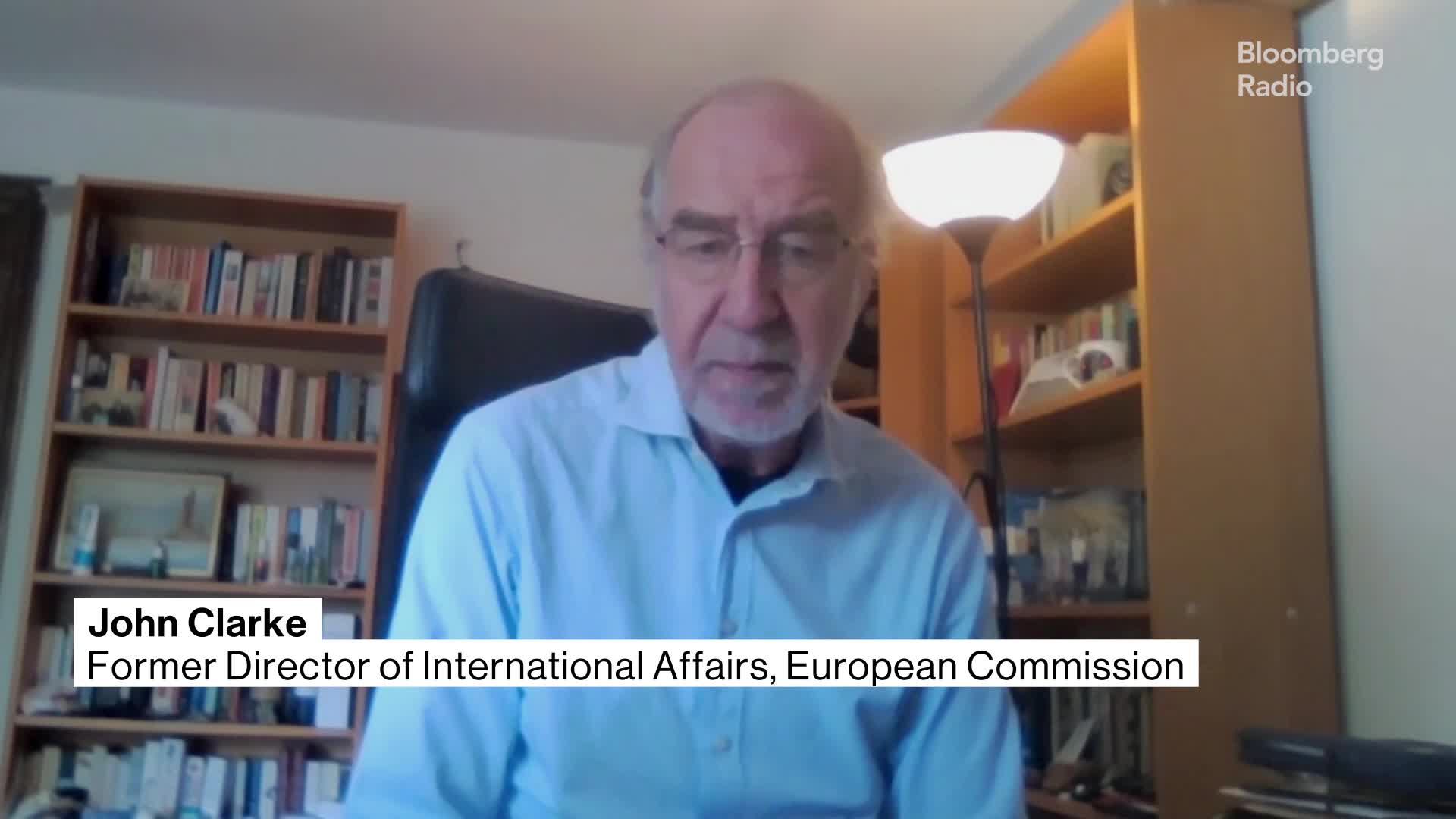
An ex-EU trade negotiator has characterized a US tariff agreement as 'a miserable deal,' signaling a critical perspective on the terms and implications of the transatlantic trade arrangement.
The characterization of a US tariff agreement as 'a miserable deal' by a former EU trade negotiator introduces significant negative sentiment into the transatlantic trade narrative. This highly pessimistic viewpoint, underscored by an extremely negative sentiment score of -0.8, suggests that the terms may be perceived as imbalanced or detrimental to EU interests, potentially creating political hurdles for its implementation. The commentary points to renewed friction in key areas of 'Tax & Tariffs' and 'Trade Policy & Supply Chain'. While the moderate market impact score of 0.55 indicates that this is not yet a systemic market shock, the statement from an experienced former official creates a climate of uncertainty for businesses reliant on stable US-EU trade, raising the risk of future disputes and supply chain disruptions.
AI-powered research, real-time alerts, and portfolio analytics for institutional investors.
Request DemoOverall Sentiment
extremely negative
Sentiment Score
-0.80
