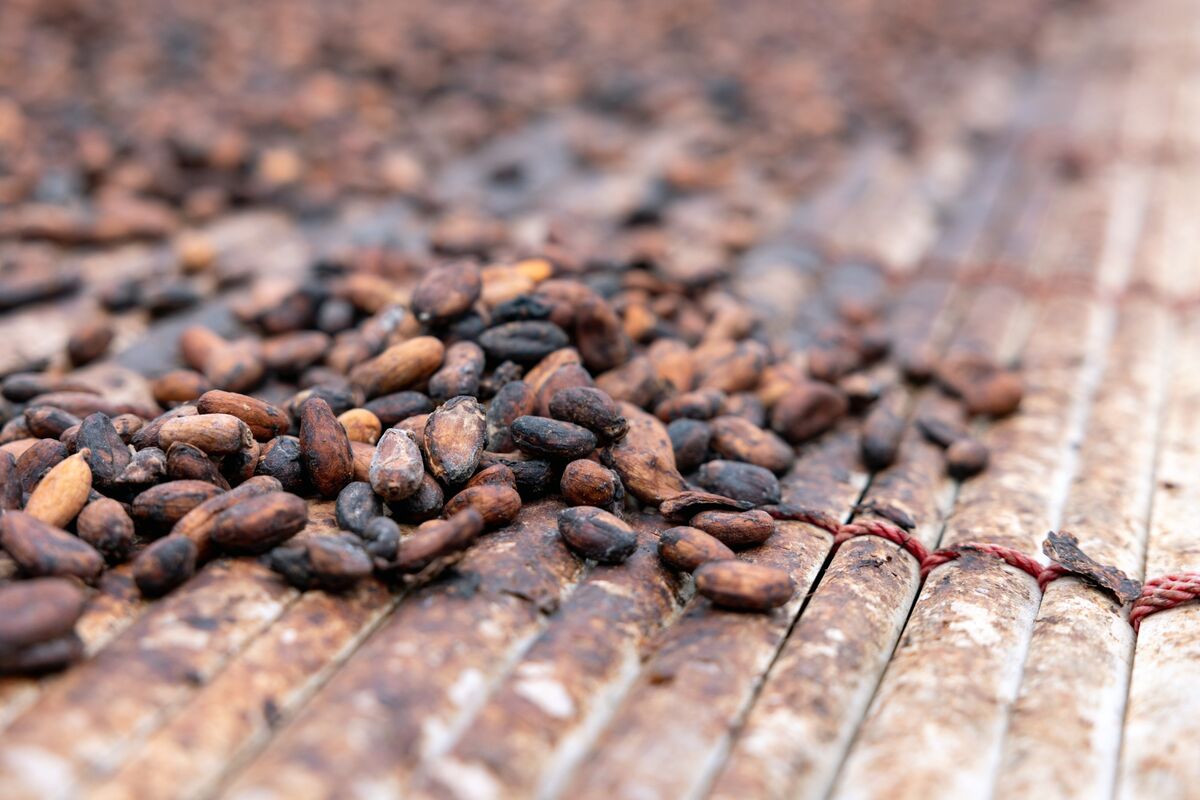
Ghana has increased the price paid to cocoa farmers by 4.2% to 3,228.75 cedis ($306.9) per 64-kilogram bag for the 2025-26 season, effective August 7. This modest adjustment, announced by Finance Minister Cassiel Ato Forson, was primarily limited by the Ghanaian cedi's appreciation, underscoring the currency's influence on producer prices in the world's second-largest cocoa-producing nation.
Ghana, the world's second-largest cocoa producer, has implemented a 4.2% increase in the farmgate price for the 2025-26 season, setting the new rate at 3,228.75 cedis ($306.9) per 64-kilogram bag. The key insight from this announcement is that the magnitude of the price hike was directly constrained by the recent appreciation of the Ghanaian cedi. This highlights a critical dynamic for the nation's key export commodity: while a stronger currency benefits the broader economy in some respects, it limits the government's ability to pass on higher cedi-denominated payments to farmers. For the global cocoa market, this modest, currency-dampened increase is a minor supply-side development, unlikely to materially alter production incentives or global price forecasts, as reflected in the low market impact score of 0.15. The event underscores the direct interplay between emerging market currency fluctuations and the domestic economics of commodity production.
AI-powered research, real-time alerts, and portfolio analytics for institutional investors.
Request DemoOverall Sentiment
moderately positive
Sentiment Score
0.40
