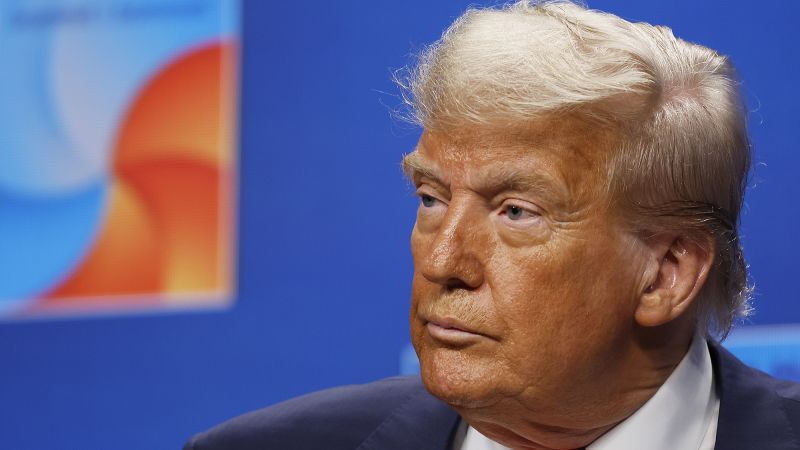
President Trump's intention to name a Federal Reserve Chair successor "very soon," nearly a year before Jerome Powell's term concludes, marks an unprecedented move that would establish a "shadow Fed chair." This prospect has drawn sharp criticism from economists and former Fed officials, who warn it could severely undermine the central bank's independence, foster market confusion through conflicting monetary policy signals, and potentially weaken the dollar while raising interest rates, as evidenced by a 0.3% drop in the US dollar index following reports. While some current Fed officials downplay its immediate impact on policy, the consensus among experts is that such a move risks politicizing the Fed and damaging the credibility of the eventual nominee.
The prospect of President Trump appointing a Federal Reserve Chair successor 11 months before Jerome Powell's term ends introduces an unprecedented level of political uncertainty into U.S. monetary policy. This move, effectively creating a "shadow Fed chair," is widely viewed by former Fed officials and economists as a significant risk to the central bank's independence and market stability. Financial markets have shown a divergent reaction: the US dollar index dropped 0.3% to its lowest level since February 2022 on the news, signaling concern over policy predictability and currency strength. Conversely, equity markets appeared largely unfazed, advancing toward record highs. Experts, including former Fed Vice Chair Alan Blinder, warn that having two conflicting voices on monetary policy could sow confusion and potentially backfire by causing a rise in interest rates—the opposite of the administration's goal. While current Fed officials like Austan Goolsbee maintain that a premature nomination would have "no effect" on the current FOMC's decisions, the primary concern revolves around the long-term damage to the Fed's credibility and the risk of politicizing an institution designed to be independent.
AI-powered research, real-time alerts, and portfolio analytics for institutional investors.
Overall Sentiment
moderately negative
Sentiment Score
-0.55
