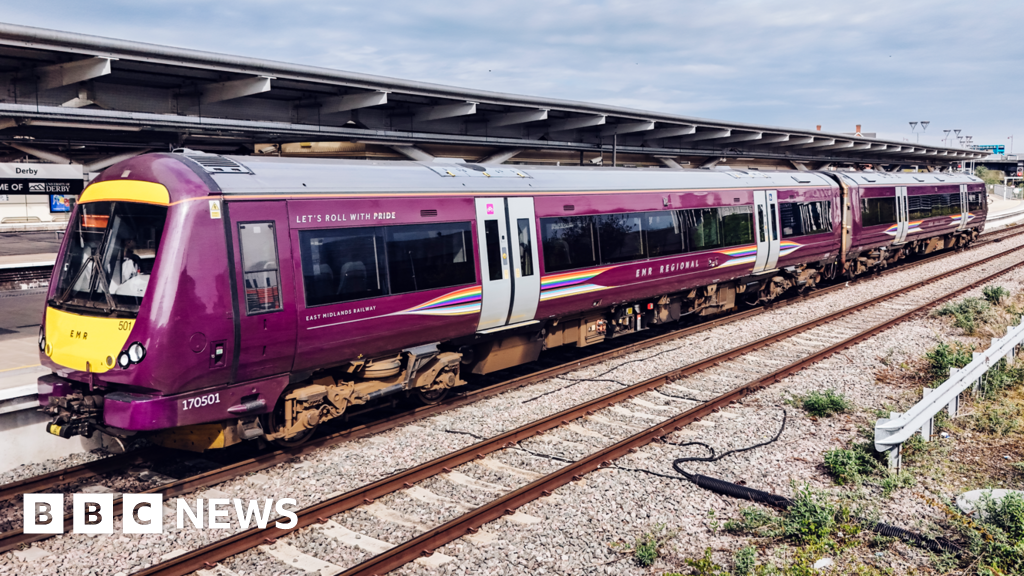
A major December 2025 timetable overhaul on the East Midlands and East Coast corridors will add services, seats and faster journey times as operators rework schedules around shared routes and capacity constraints; East Midlands Railway’s “Big Timetable Change” delivers, for the first time in living memory, two trains per hour between Derby and Lincoln, extra Sunday and weekday services on Matlock/Ambergate routes and thousands of additional weekly seats. The revisions are driven by a wider East Coast Main Line recast that changes almost all LNER timings at Newark and elsewhere, creates new hourly direct links to Leeds and Edinburgh, and aims to relieve a Newark flat‑crossing bottleneck, supported by roughly £4bn of Network Rail upgrades (King’s Cross remodelling, Stevenage turnback, Werrington tunnel, Doncaster platform). Managements say the changes will improve capacity, connectivity and reliability and could boost local economies, while fares will remain unchanged and passengers are advised to check new timetables.
A coordinated December 2025 timetable overhaul across the East Midlands and the East Coast Main Line will materially increase service frequency and capacity: East Midlands Railway's "Big Timetable Change" introduces, for the first time in living memory, two direct Derby–Lincoln services per hour, adds three extra weekday services each way from Ambergate and two from Matlock on Sundays, and yields "thousands of extra seats" weekly while fares remain unchanged. Management frames the changes as improvements to capacity, connectivity and reliability, and the operator has designed an hourly robust connection to London St Pancras.
The timetable recast is driven by broader reshaping of the East Coast Main Line and coordination with LNER, which is changing almost all timings at Newark; LNER will run hourly direct services to Leeds and Edinburgh seven days a week and will alter weekday/Sunday stop patterns at stations such as Retford. Network Rail reports roughly £4bn of targeted infrastructure upgrades supporting the plan, including King's Cross remodelling, a Stevenage turnback, the Werrington freight-avoiding tunnel and an extra Doncaster platform to reduce congestion.
Implications for operators and regional demand are positive if execution holds: higher seat supply and faster journey times can lift ridership and local economic activity, but the project concentrates operational risk around timetable integration and the Newark flat-crossing bottleneck. Investors should monitor punctuality, ridership, station-level call patterns and any early implementation issues that could temper the expected reliability and revenue upside.
AI-powered research, real-time alerts, and portfolio analytics for institutional investors.
Request DemoOverall Sentiment
moderately positive
Sentiment Score
0.45
Ticker Sentiment
