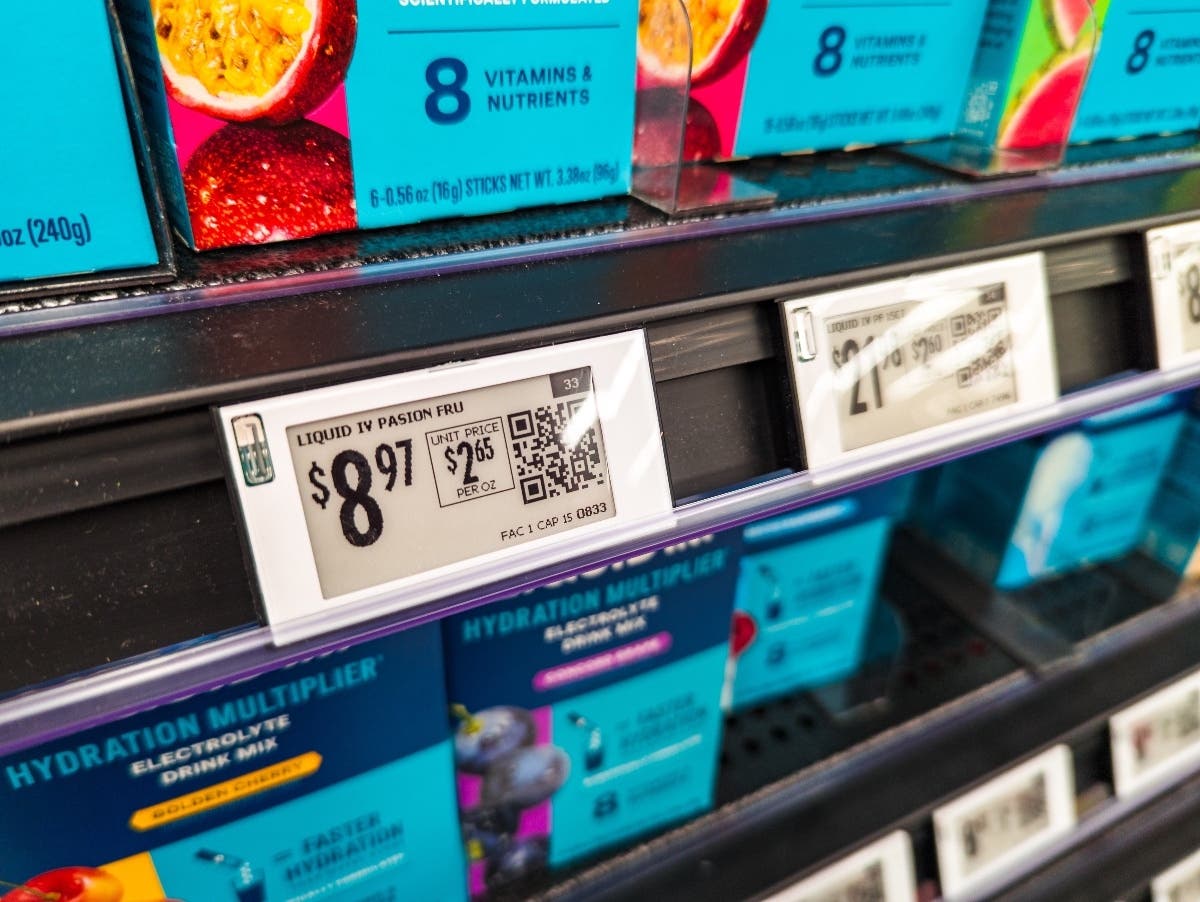
New York City Council bills would ban surveillance pricing and limit grocery stores to one price increase per item in any 24-hour period. The proposals would also prohibit retailers from using personal data to set individualized prices, while preserving loyalty programs and publicly disclosed discounts. If enacted, NYC would become the first U.S. municipality to formally restrict surveillance pricing.
This is a first-order negative for any grocer leaning into digital shelf labels, app-based promotions, or personalized offers, but the bigger implication is operational: pricing discretion is a margin lever, and this legislation would compress it exactly where food retailers rely on speed to offset labor, freight, and shrink volatility. The immediate winners are large incumbents with simpler everyday-low-price architectures and lower dependence on algorithmic experimentation; the losers are higher-frequency operators and specialty formats that use dynamic markdowns to monetize traffic more efficiently. The second-order effect is that compliance burden will likely be disproportionate for chains with fragmented store-level execution, because enforcing item-level price-change clocks and audit trails raises systems costs and increases error risk. That should modestly favor software vendors and POS/labeling platforms with strong governance features, while penalizing retailers that still run legacy pricing infrastructure. If adopted broadly, this also reduces the ability to pass through rapid commodity swings, which can temporarily inflate reported gross margin but worsen inventory risk if procurement lags retail pricing. The market is likely underestimating the duration risk: near-term headlines matter little, but once one large municipality sets the template, other blue-state regulators may copy it within 6-18 months, creating a patchwork compliance regime. The key reversal catalyst is legal challenge or watered-down enforcement; absent that, retailers may respond by shifting more margin into private label, shrink-flation, bundle pricing, or membership models that sit outside the strictest definitions. That means the net impact on consumer spend could be less deflationary than intended, but it still lowers pricing flexibility and raises SG&A. Contrarian take: the biggest long-term beneficiary may be the very AI vendors being targeted, because retailers will need compliant pricing engines, audit logs, and policy controls rather than abandoning automation. The consensus may be overplaying the revenue hit to grocers and underplaying the capex/software re-platforming cycle this creates. The tradeable opportunity is not just shorting grocery beta; it is separating operators with pricing discipline and compliance readiness from those whose economics depend on continuous repricing.
AI-powered research, real-time alerts, and portfolio analytics for institutional investors.
Request DemoOverall Sentiment
neutral
Sentiment Score
-0.05
