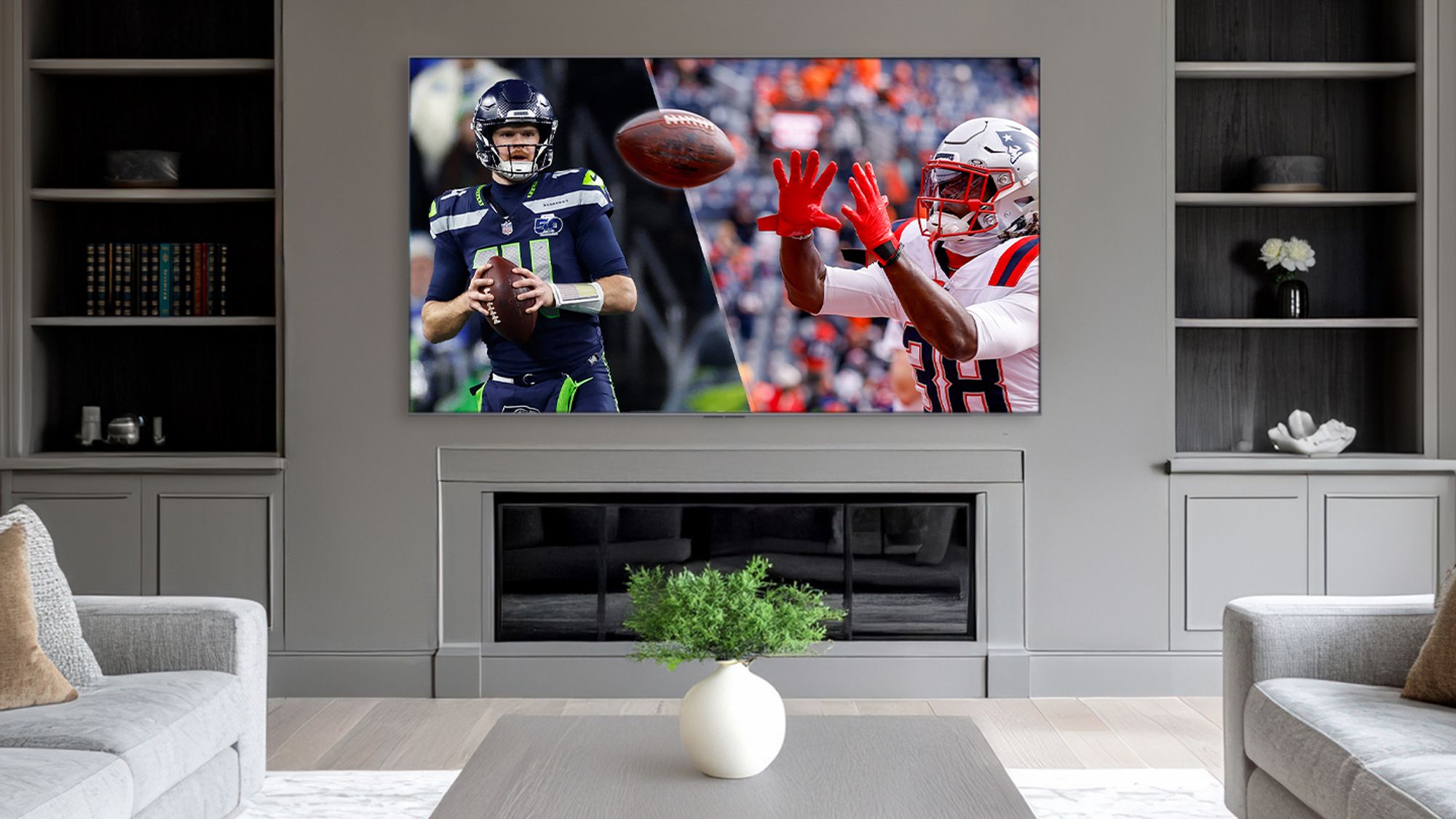
Retailers are promoting substantial TV discounts ahead of Super Bowl 2026, with examples cited including 75-inch sets priced as low as $429 and a 98-inch screen for about $1,300, alongside premium OLED options at higher price points. The piece is a consumer-facing roundup of promotional pricing rather than company-specific financial reporting, suggesting a potential short-term boost to demand for big-screen TVs and related retail revenues around the event but limited direct implications for corporate earnings visibility or broader market moves.
Market structure: Deep pre-Super Bowl TV discounts (e.g., 75" sub-$430, 98" ~$1,300) are a sign of excess inventory and promotional price-led demand stimulation. Winners in the next 0–3 months are traffic-driving omnichannel retailers (Best Buy BBY, Amazon AMZN, Walmart WMT) and value-brand OEMs that convert volume; losers are niche specialty retailers and any OEMs with high fixed-cost exposure. Panel suppliers (LG Display LPL, Samsung Display exposures via SSNLF) face bifurcated outcomes — short-term ASP compression but potential long-term share gains for OLED-capable suppliers.
Risk assessment: Tail risks include China export/tariff shocks, a sudden consumer-spending pullback from higher-for-longer rates, or component concentrated-supplier outages; each could swing margins ±15–30% for exposed manufacturers within quarters. Immediate (days): traffic spike and margin compression; short-term (weeks–months): inventory destocking shows up in Q1 earnings and credit metrics; long-term (quarters–years): structural OLED adoption and streaming-driven TV replacement cycles shift unit growth. Hidden dependencies include retailer financing programs and panel forward-booking that can mask true demand; key catalysts are monthly panel-price indices, BBY/AMZN quarterly comps, and US consumer confidence releases.
Trade implications: Tactical 7–10 day longs in big-box retailers can capture traffic-driven sales, while 3–12 month longs in OLED-capable suppliers capture structural upside as promotions clear LCD overhang. Use options to monetize time: call spreads into supplier earnings and short-dated call income on retailer longs to offset promotional margin risk. Exit retailer trades within 5–10 trading days post-event; hold supplier exposure 3–12 months and re-evaluate at panel-price and inventory datapoints.
Contrarian angles: The market may underprice persistent ASP deflation — promotions could reset consumer price expectations, keeping TV ASPs ~10–20% lower vs prior seasonal norms for 6–12 months. Conversely, consensus may also underappreciate accelerated OLED adoption: if LG Display reports >5% QoQ capacity utilization improvement, upside could be front-loaded. Historical parallels to post-Black-Friday electronics suggest an initial revenue bump followed by 1–2 quarters of margin pain; the active risk is that heavy promotions become the new baseline, compressing incumbent OEM margins longer than models assume.
AI-powered research, real-time alerts, and portfolio analytics for institutional investors.
Request DemoOverall Sentiment
mildly positive
Sentiment Score
0.25
