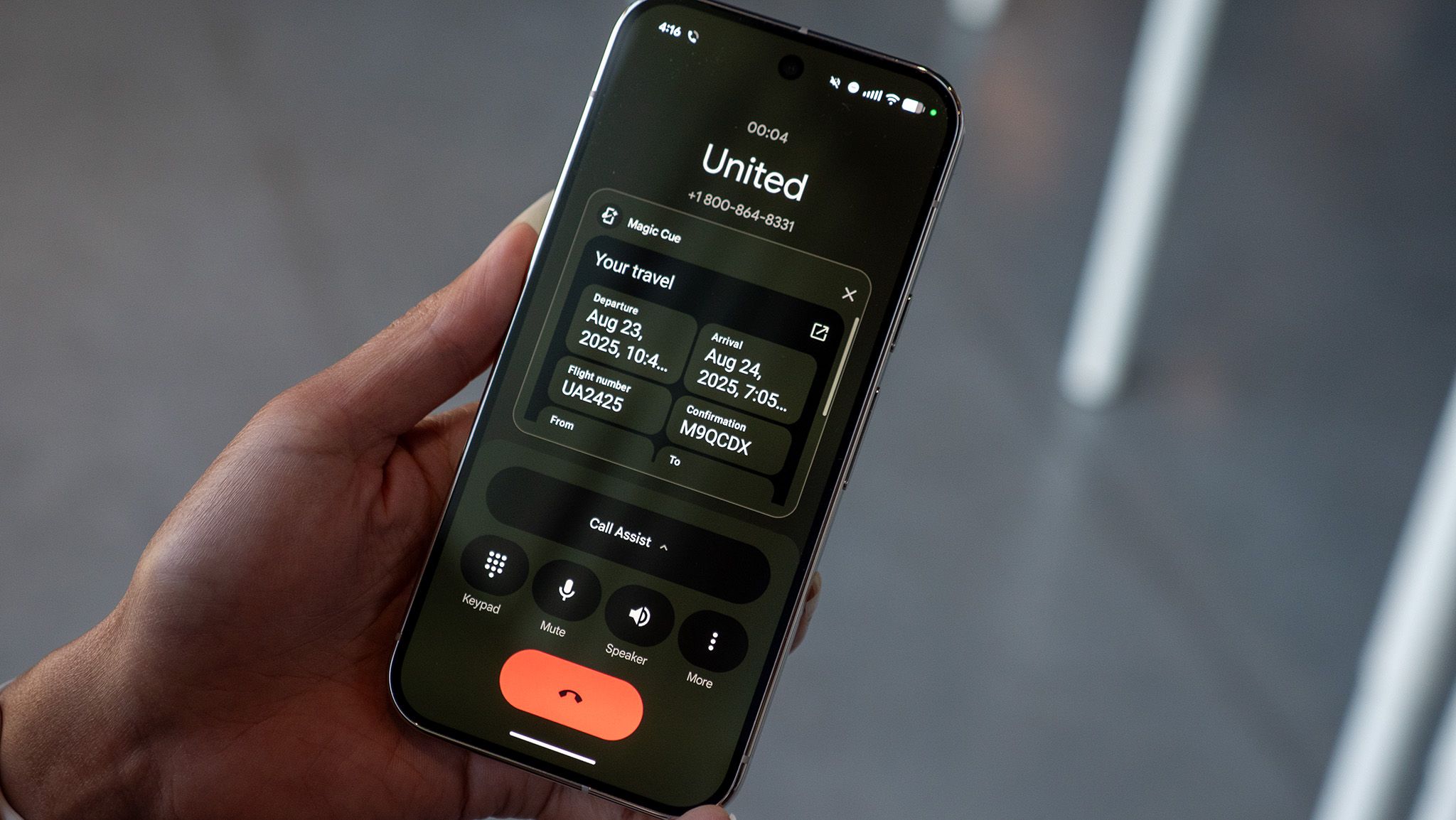
A Play Services teardown indicates Google is preparing to port Pixel 10’s Magic Cue capability to a broader set of Android devices under the name “Contextual Suggestions,” using app and location data to surface in-context recommendations (e.g., playlists, messages) by learning from personal data. The leak highlights potential for wider user engagement across the Android ecosystem but leaves unresolved whether processing will be on-device or cloud-based, a distinction with implications for user privacy, data governance and regulatory scrutiny.
Market structure: Google (GOOGL) and Android OEMs (e.g., Samsung SSNLF) are the primary beneficiaries if “Contextual Suggestions” scales, because it raises platform stickiness and services monetization; expect a potential 1–3% lift to Google services revenue over 6–24 months if opt-in rates exceed 20–30%. Semiconductor winners include Qualcomm (QCOM) and local AI silicon suppliers as on-device inference increases ASPs for premium chips; cloud GPU incumbents (NVDA) face modest headwinds only if on-device AI adoption rises above 30% of new activations over 2–3 years.
Risk assessment: Tail risks include regulatory/privacy enforcement (EU/FTC) that could restrict data access or impose fines up to low-single-digit % of market cap; an operational/privacy incident with >5% user opt-out would materially reduce benefit. Timing: leak impact is near-term (days) negligible for prices, rollout catalysts occur in 30–90 days (Play Services updates) and will manifest in revenue/usage over 6–24 months. Hidden dependencies: OEM cooperation, battery/thermal limits, and user opt-in rates — if opt-out >30% the revenue case collapses.
Trade implications: Tactical longs: overweight GOOGL (1.5–2% portfolio) and QCOM (1–2%) for 6–12 month horizons; small engagement play in SPOT (0.5–1%) expecting higher streams if suggested playlists convert. Pairs/options: pair long QCOM / short INTC (1%/1%) for relative mobile-AI exposure; implement cost‑controlled option exposure via QCOM 3‑month 10% OTM call spreads and GOOGL 3‑month 5% OTM call buys (max loss = premium). Use 15% stop-loss, take-profit at 30% within 6–12 months.
Contrarian angles: Consensus underestimates opt-in friction and regulatory pushback — market could be overpricing a seamless rollout. Historical parallel: Apple privacy shifts cut ad yields for Meta; similarly, privacy backlash could depress Google services ARPU instead of boosting it. Unintended consequence: fragmented Android adoption (OEMs limiting feature) would concentrate benefits to higher‑end device makers and chip vendors rather than Google ad engine; position sizes should therefore be modest and event‑driven.
AI-powered research, real-time alerts, and portfolio analytics for institutional investors.
Request DemoOverall Sentiment
neutral
Sentiment Score
0.10
