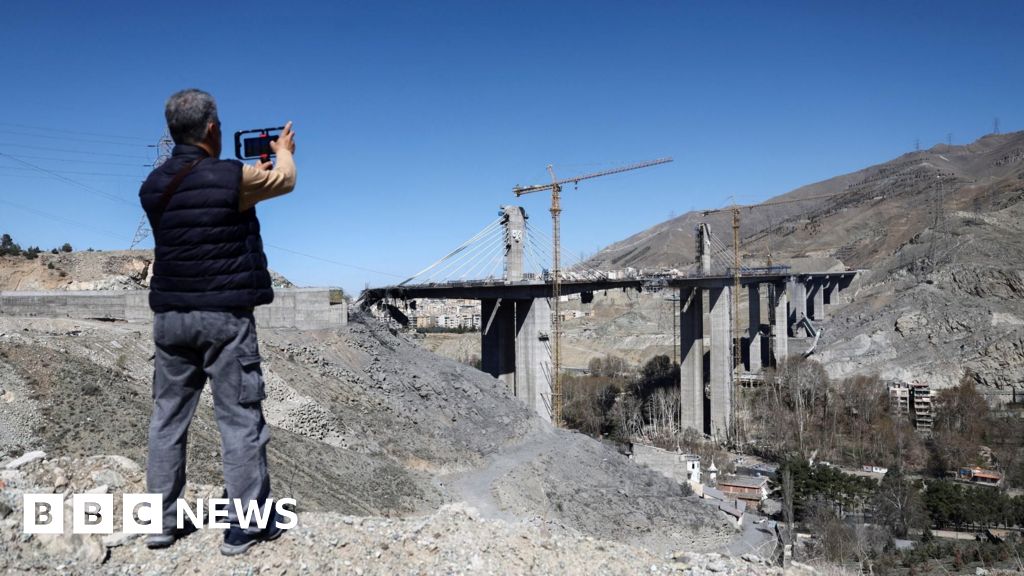
US warplanes struck a bridge under construction in Karaj, Iran, killing eight people and injuring almost 100, and President Trump publicly threatened strikes on bridges and electric power plants if Iran does not comply. The attack and threats, amid a 35-day internet blackout and restricted Starlink access, raise the risk of escalation that could disrupt regional infrastructure and energy flows, posing upside risk to oil prices and prompting risk-off flows. Expect heightened volatility in EM assets, regional FX and energy markets, and potential repricing of geopolitical risk premia if retaliatory actions or further strikes occur.
Markets should treat recent targeted strikes as a regime-shift signal rather than isolated event risk: expect a persistent, elevated volatility regime across EM FX, regional credit and shipping rates for months as opacity from internet outages and information blackouts raises realized volatility and triggers wider risk premia. Oil and refined product optionality will be repriced immediately — traders will begin pricing a non-zero probability of short-duration export interruptions that can move Brent $5-15/bbl inside 1-3 months; that delta compresses if pipelines/terminals remain functional.
Second-order supply-chain effects matter more than headline military exposure: higher insurance premiums and rerouting costs (adds 5-15% to voyage costs on affected corridors) will compress margins for regional refining and shipping clients, while increasing near-term revenues for defense contractors, secure-comm vendors and specialty insurers. Commercial satellite terminal demand and dark-fiber alternatives will see structural uplift, tightening supply for certain hardware makers over 6-18 months and creating an install/recurring revenue arbitrage favoring companies with turnkey solutions.
Catalysts to monitor that will materially change P&L assumptions are clear: (1) credible diplomatic de-escalation or third-party mediation within 30-90 days that restores trade flows and knocks oil back $3-7/bbl; (2) a further widening of sanctions or attack on oil/energy infrastructure that sustains higher risk premia for 6-12+ months; (3) persistent domestic unrest that forces prolonged internet blackouts, increasing information asymmetry and bid-ask spreads in regional credit. Tail risk is asymmetric — a multi-month closure of export routes would re-rate energy and defense earnings by multiples, while a quick diplomatic resolution would produce sharp snapbacks in EM asset prices.
AI-powered research, real-time alerts, and portfolio analytics for institutional investors.
Request DemoOverall Sentiment
strongly negative
Sentiment Score
-0.75
