



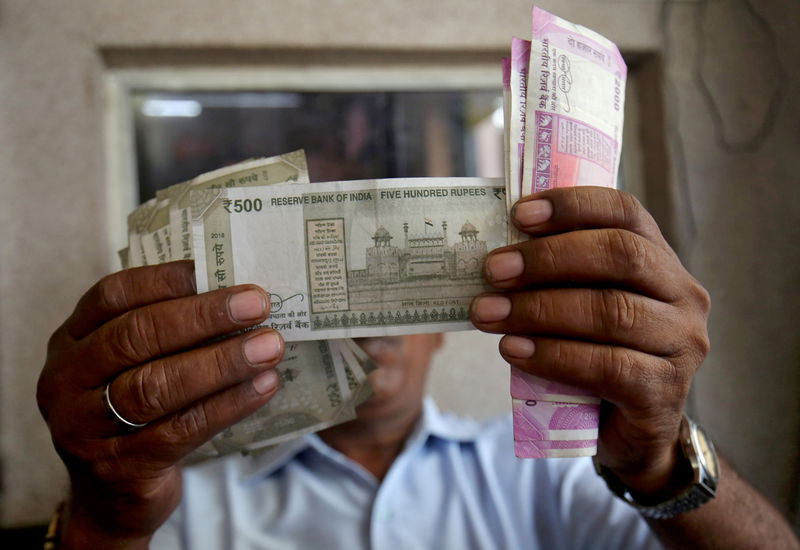
BofA expects the RBI to hold rates unchanged at its June meeting but shift to a more hawkish stance as rupee weakness, imported inflation, and external risks build. April CPI was 3.48%, below the RBI’s 4% target, but BofA sees headline inflation rising above 5% by September 2026 and staying elevated into early 2027. Markets are already pricing in more than 100 bps of tightening over the next year, with the first hike in BofA’s base case arriving around December 2026.
The most important second-order effect is not the policy rate itself, but the signaling function of a hawkish hold. If the RBI leans into anti-inflation rhetoric while keeping liquidity supportive, the market gets a muddled regime: higher front-end rate volatility without immediate tightening of financial conditions. That tends to pressure the rupee first, then force a later, sharper policy response — a setup that usually benefits carry-sensitive USD-funded positioning and hurts domestic cyclicals before it hits banks.
For financials, the market is underestimating margin asymmetry. A central bank that talks tough while still injecting liquidity can keep deposit competition elevated without fully repricing loan demand, which is bad for lenders that rely on cheap liabilities. That argues for caution on Indian bank proxies and a relative preference for rate-sensitive businesses that can pass through cost inflation faster than funding costs rise.
The cleaner trade is in volatility rather than direction. If the RBI delays action into the second half of 2026, FX pressure can persist and create a slow-burn repricing in EM risk premia; if it hikes earlier, duration and high-beta domestic equities get hit abruptly. The catalyst path is weather and imported fuel costs: those are the two variables that can turn a rhetorical hawkish stance into an actual tightening cycle within one or two quarters.
The consensus is probably too focused on whether June delivers a hike, when the more important question is whether the RBI is losing control of expectations. That makes the current move in rates and FX potentially underdone if the market still believes the central bank can preserve growth and defend the currency simultaneously. In that regime, the first losers are unhedged domestic India exposure and balance-sheet-heavy lenders; the relative winner is CME, where policy uncertainty tends to increase trading activity and listed futures volumes.
AI-powered research, real-time alerts, and portfolio analytics for institutional investors.
Request TrialOverall Sentiment
mildly negative
Sentiment Score
-0.10
Ticker Sentiment
