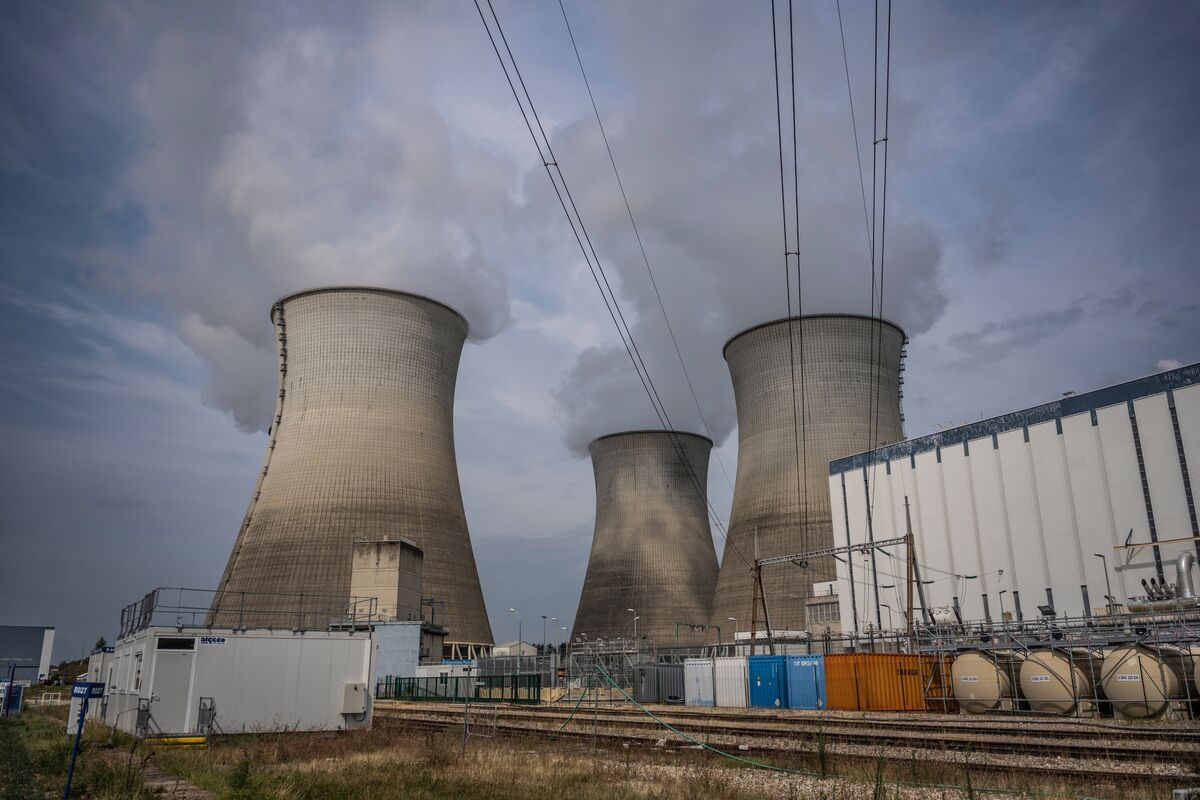
France is advocating for EU leaders to directly address the proposed 90% emissions reduction target by 2040, signaling a high-level political push to accelerate the bloc's climate agenda. Paris is simultaneously seeking a greater role for nuclear power and other flexibilities within the EU's energy mix to support this ambitious goal, setting the stage for a potential clash over the strategy and pace of the region's climate transition.
France is strategically elevating the debate over the European Union's 2040 climate goal to the leaders' level, indicating a high-stakes political negotiation is underway. The core issue is the proposed 90% emissions reduction target, which France is willing to support contingent upon securing a more significant role for nuclear power and other procedural 'flexibilities' within the bloc's energy transition framework. This French position effectively frames nuclear energy as a critical component for achieving ambitious decarbonization, setting the stage for a potential conflict among the 27 member states who hold divergent views on the optimal energy mix and the pace of the transition. The situation introduces a layer of political uncertainty into the EU's long-term climate policy, making the final composition of the 2040 targets dependent on high-level political trade-offs rather than purely technical or environmental considerations.
AI-powered research, real-time alerts, and portfolio analytics for institutional investors.
Request DemoOverall Sentiment
neutral
Sentiment Score
0.00
