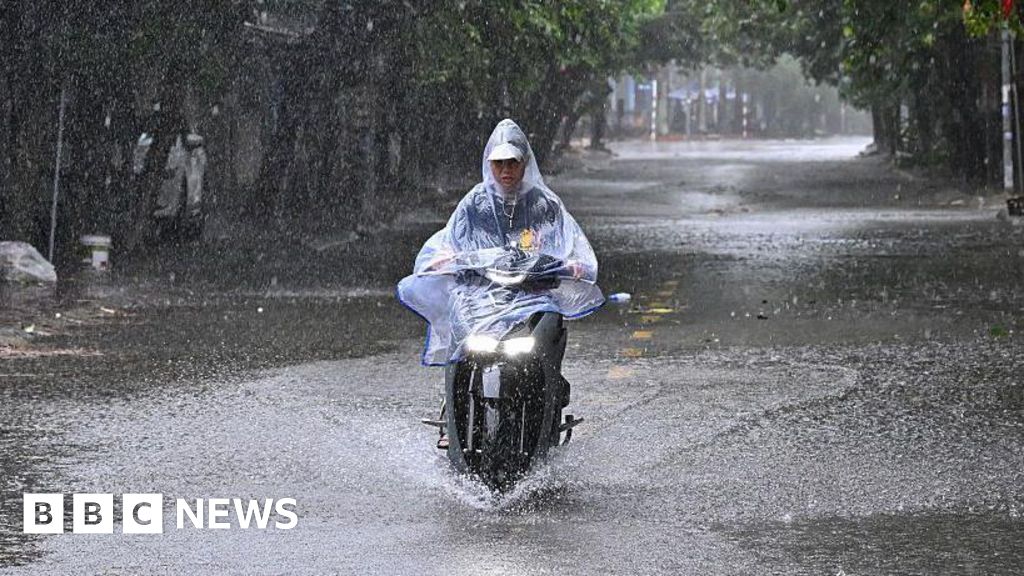
Typhoon Kajiki made landfall in Vietnam's coastal provinces with winds up to 133 km/h, prompting the evacuation of nearly 600,000 people and causing significant disruption including airport and school closures, infrastructure damage, and raising concerns for flash floods and landslides. This severe weather event follows Typhoon Yagi last year, which caused billions in damage, underscoring the recurring and substantial economic impact of such storms on the region's infrastructure and operations.
Typhoon Kajiki has made landfall in Vietnam, causing significant operational and infrastructure disruption across its coastal provinces. With winds reaching up to 133 km/h, the storm has forced the evacuation of nearly 600,000 people and led to the preemptive closure of schools, two central region airports, and some rail services. This event is not isolated; it follows less than a year after Typhoon Yagi, which inflicted billions of dollars in damages and was the region's most powerful storm in three decades. The recurring nature of these severe weather events, which the article notes meteorologists link to a warming climate, highlights a systemic and escalating physical risk to the region's economic stability. The damage to infrastructure, including roads and water supply systems, underscores the vulnerability of critical assets and supply chains in Vietnam and the broader Southeast Asian region, posing a tangible threat to corporate operations and regional economic output.
AI-powered research, real-time alerts, and portfolio analytics for institutional investors.
Request DemoOverall Sentiment
strongly negative
Sentiment Score
-0.80
Ticker Sentiment
