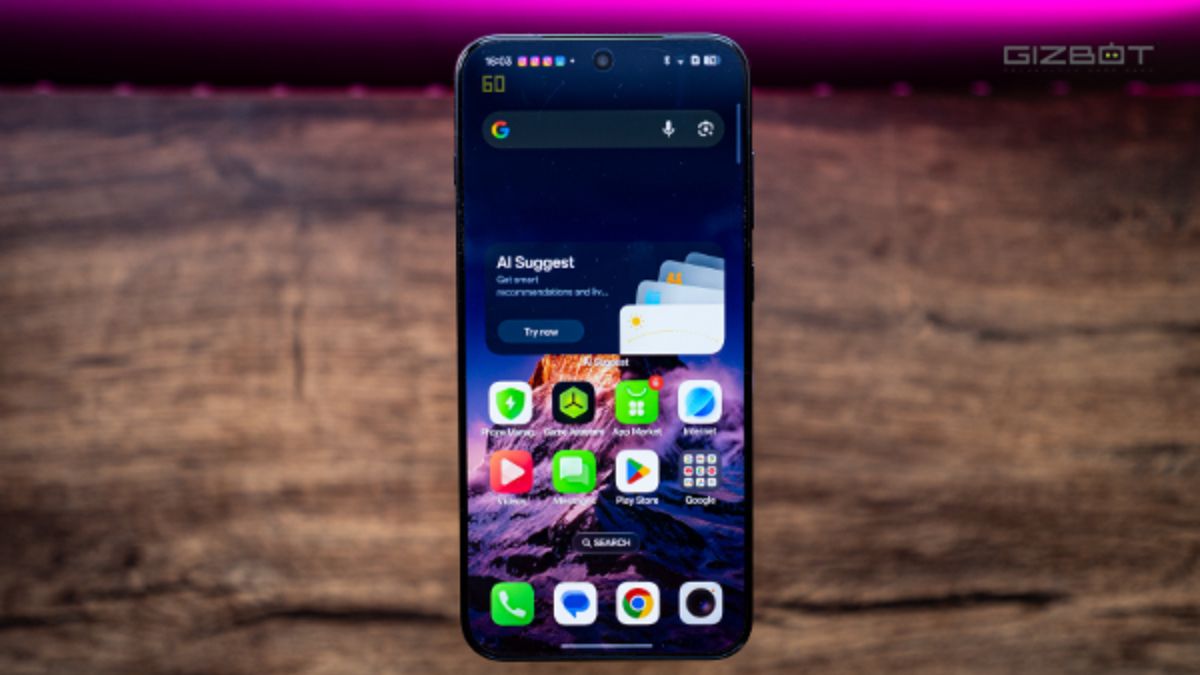
OPPO and OnePlus began rolling out major ColorOS 16.1 and OxygenOS 16.1 updates in India starting May 10, with the first wave covering more than 20 devices and remaining eligible models expected by June. Key additions include Live Space on the lock screen, expanded AI tools such as AI Menu Translation and Mind Pilot, and improved file sharing and camera controls. The update is sizable at roughly 2.5GB on some devices, but the article suggests limited direct market impact.
This is less a headline software refresh than a quiet push to deepen ecosystem lock-in at the layer where switching costs are highest: the user’s daily workflow. Features like persistent activity surfaces, one-handed camera controls, and tighter sharing are not flashy individually, but they reduce friction in enough micro-moments to lower churn at renewal by a few hundred basis points over time. The more important second-order effect is that OPPO/OnePlus are converging on an experience stack that makes the hardware distinction less relevant, which should improve cross-brand attachment within BBK-style portfolio consumers and make price competition more about financing and channel incentives than specs.
The AI additions matter more as distribution than model quality. Bundling multiple assistants into one interface is a hedging strategy against any single model vendor losing mindshare, but it also reduces direct monetization risk for the OEM by positioning the phone as the orchestrator rather than the AI provider. The constraint is usage caps and feature gating: if these tools materially improve retention, they should drive app engagement and services ARPU, but if they remain novelty features, they become marketing noise and raise support costs without generating incremental revenue.
The near-term catalyst window is the rollout itself, which should lift sentiment for 1-2 quarters but is unlikely to move the stock market absent clear evidence of higher upgrade rates. The real risk is that Android OEMs increasingly compete on software parity, which compresses hardware differentiation and shifts bargaining power toward component suppliers and large distributors. Over a 6-12 month horizon, the market may begin treating these updates as defensive rather than growth-driving unless OPPO/OnePlus can show lower return rates, better daily active use, or faster premium-model attach.
AI-powered research, real-time alerts, and portfolio analytics for institutional investors.
Request DemoOverall Sentiment
mildly positive
Sentiment Score
0.20
