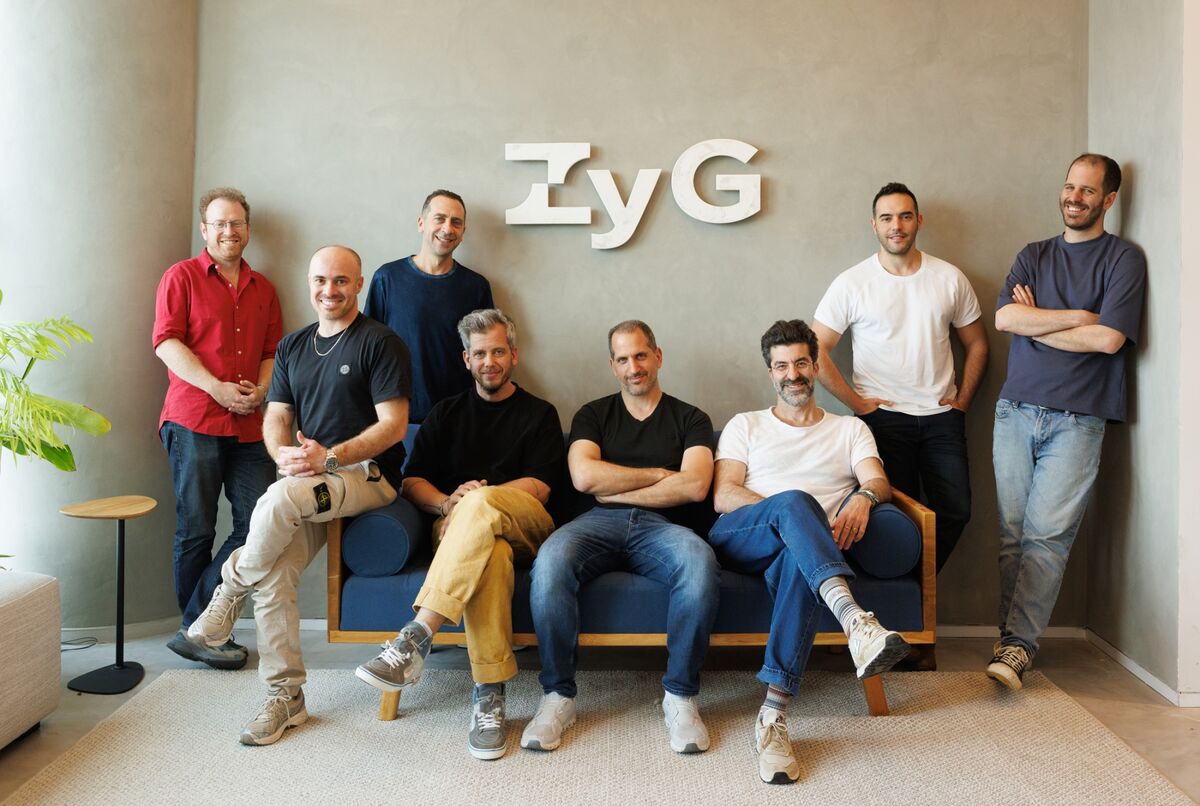
Zyg raised $60 million at a $500 million valuation just two months after emerging from stealth, with Accel leading the round and Bessemer Venture Partners and Lightspeed Venture Partners participating. The AI platform, founded by the creators of IronSource, is focused on helping e-commerce sellers scale businesses. The new financing follows its $58 million seed round announced in March, underscoring strong investor appetite for AI and venture-backed software.
A $500M valuation so soon after emergence from stealth is less about one company and more about how quickly capital is being re-priced around AI-native workflow automation for merchant operations. The second-order beneficiary is not just the startup cohort but the broader tooling stack that sits between Shopify-like sellers and their performance marketing, fulfillment, and customer support budgets: if one AI layer can credibly lift conversion or reduce labor, adjacent point solutions face faster churn and pricing pressure. The more interesting implication is competitive compression. E-commerce software vendors with fragmented suites will likely see buyers defer standalone licenses in favor of bundled, AI-enabled platforms that promise measurable ROI in weeks, not quarters. That creates a winner-take-more dynamic for platforms with existing distribution and data advantage, while smaller vertical SaaS names become vulnerable to feature commoditization and higher customer acquisition costs. The main risk is that valuation is getting ahead of proof. In the next 3-6 months, the market will care less about model quality and more about retention, payback period, and whether seller economics improve after taking into account ad spend inflation and fulfillment friction. If Zyg-like products require ongoing human oversight or only help the top decile of merchants, the category can re-rate quickly; if unit economics are real, expect a wave of fast-follow capital into merchant automation and AI ops tooling over the next 12-18 months. The contrarian view is that this is not a broad AI monetization signal, but a narrow distribution arb where founder brand and investor appetite are doing much of the pricing work. That means the upside for public-market comps is likely concentrated in the picks-and-shovels providers of data, workflow, and merchant infrastructure rather than the application layer itself, where differentiation can be ephemeral.
AI-powered research, real-time alerts, and portfolio analytics for institutional investors.
Request DemoOverall Sentiment
moderately positive
Sentiment Score
0.55
