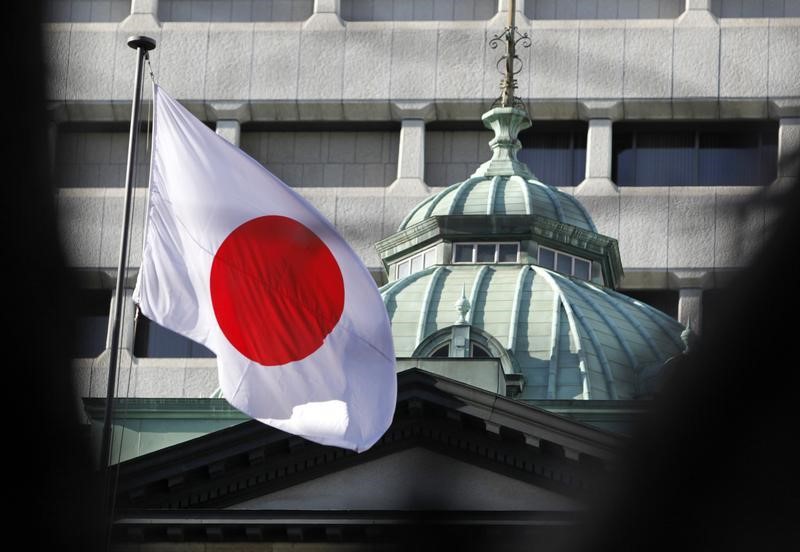
The Bank of Japan's June meeting minutes reveal a prevailing hawkish bias among policymakers, including Governor Ueda, towards eventual interest rate hikes, contingent on sustained economic growth and inflation. While the central bank opted to keep rates unchanged for the immediate term due to uncertainties like U.S. trade tariffs, the minutes underscore a clear path towards future normalization, driven by factors such as rising food prices and strong wage growth. This signals the BOJ's conditional tightening stance, shaping expectations for Japanese monetary policy and potentially influencing the yen.
The Bank of Japan's June meeting minutes signal a conditional hawkish stance, with a majority of policymakers, including Governor Kazuo Ueda, supporting future interest rate hikes provided that growth and inflation trends continue. The bank held its policy rate at 0.5% due to immediate economic uncertainties, notably the potential impact of U.S. trade tariffs, reflecting a cautious short-term approach. However, the medium-term bias is clearly towards policy normalization, underpinned by domestic inflationary pressures from rising food prices and strong wage growth. This gradualist strategy is further evidenced by the plan to begin a slow tapering of bond purchases starting in 2026, suggesting the central bank is aiming to avoid market disruptions while telegraphing its long-term tightening intentions. The article's headline regarding a U.S. market surge is disconnected from the body of the text, which is focused exclusively on Japanese monetary policy.
AI-powered research, real-time alerts, and portfolio analytics for institutional investors.
Request DemoOverall Sentiment
moderately positive
Sentiment Score
0.50
Ticker Sentiment
