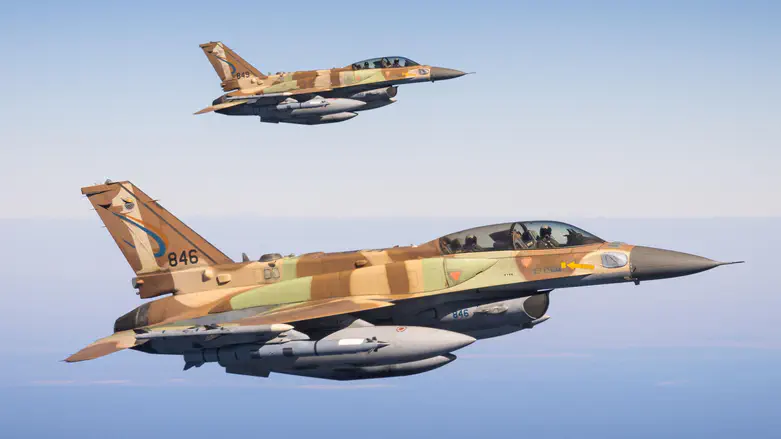
A Wizz Air passenger flight (W95310) from London to Ben Gurion was escorted into Israeli airspace by two Israeli Air Force jets after passengers reported seeing the word “terrorist” in Arabic on a phone; the alarm triggered standard security protocols and the plane was met by police on the tarmac. After an on-ground debriefing it was determined the hotspot name had been changed as a prank by the couple’s son, no threat was found, and all passengers disembarked safely though they underwent enhanced screening. Operationally this highlights airport security sensitivity and protocol activation risk but presents no market-moving financial impact.
Market Structure: This incident marginally benefits aerospace & defense and security-technology vendors (Elbit ESLT, Northrop NOC, LMT, Smiths SMIN.L) and cybersecurity software (PANW, FTNT) while pressuring discretionary travel names (WIZZ.L, IAG.L, AAL). Expect a near-term re-rating of defense/security equities of +3–8% over 1–3 months if similar incidents recur; airlines could see short-term EBITDA compression of ~1–3% from added screening costs and occasional diversion delays. Cross-asset moves will be modest: airline credit spreads could widen 5–25bp on headline risk, equities react faster than FX or commodities.
Risk Assessment: Tail risks are low-probability but high-impact — a genuine attack or regulatory mandate (e.g., expanded escorts or device restrictions) could force multi-quarter revenue/traffic hits and large government procurement (>$200m) for vendors. Time horizons: immediate (days) = reputational and flight disruption noise; short-term (weeks–months) = booking patterns and guidance updates; long-term (quarters–1+ year) = procurement cycles and capital expenditure by airports/airlines. Hidden dependencies include insurer repricing, airport-capex budgets, and mobile-device policy changes; catalysts are government procurement RFPs, airline Qs, or repeat incidents within 30–90 days.
Trade Implications: Tactical trades: small, asymmetric bets on security/defense plus hedged shorts on travel. Prefer 1–2% long positions in ESLT and 1% long in PANW funded by 1–2% shorts in WIZZ.L or IAG.L; use options to cap downside (see decisions). Time trades to news windows (airline earnings or government procurement announcements) within 2–12 weeks.
Contrarian Angles: Consensus will either ignore this as noise or overbuy defense; both misprice nuance — repeated false-alarms raise recurring OPEX for airlines but do not guarantee sustained CAPEX for vendors. Historical analog: post-9/11 structural spend persisted, whereas isolated scares led to transient vendor spikes. Set objective triggers (procurement >$50m, spread moves >10bp, 3+ similar incidents in 90 days) before scaling exposure.
AI-powered research, real-time alerts, and portfolio analytics for institutional investors.
Request DemoOverall Sentiment
neutral
Sentiment Score
0.00
