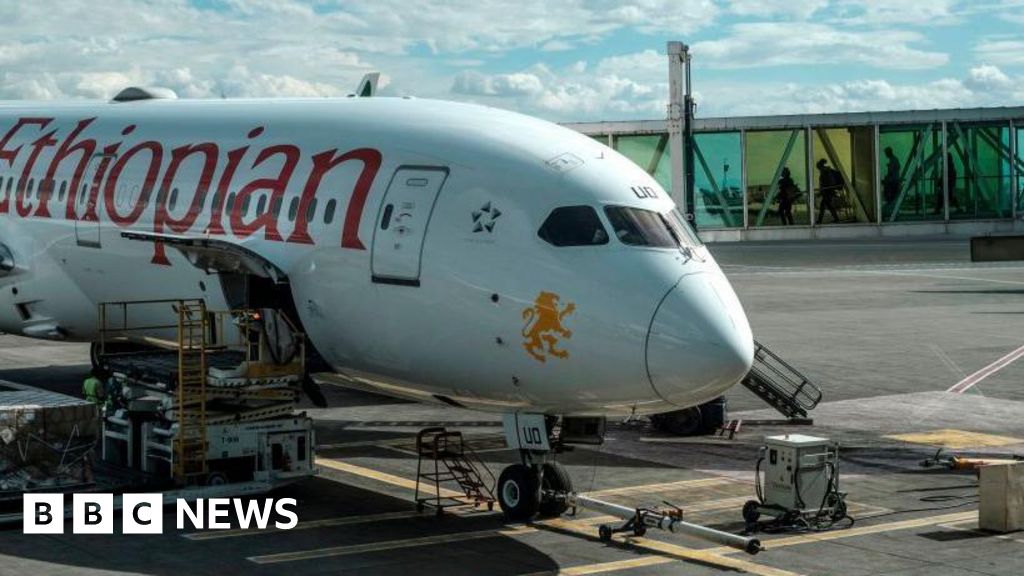
Passenger flights between Addis Ababa and cities in Tigray have been cancelled amid reports of renewed clashes in Mai Degusha and new military movements, with Mekelle airport staff reportedly told not to work. The breakdown of the Pretoria Agreement, disputes over western Tigray territory, the revocation of the TPLF's electoral licence ahead of June polls and large-scale displacement heighten political and operational risk for Ethiopian Airlines and regional stability. These developments increase country risk for investors with exposure to Ethiopia and may disrupt transport and logistics chains locally, though immediate broader market impact is limited.
Market structure: Cancellations and reported skirmishes tighten regional air connectivity and ground logistics in northern Ethiopia, selectively hurting passenger carriers and local tourism while boosting demand for alternate land routes and global freight capacity. Expect short-term uplift in air-cargo spot rates and rerouting costs (+5–15% on affected lanes over weeks) benefiting global logistics names with flexible networks (FDX, UPS). Agricultural supply risk (coffee, oilseeds) rises modestly — a 3–6 month squeeze could lift coffee futures by 5–20% if northern production/distribution is disrupted.
Risk assessment: Tail risks include rapid escalation into a wider civil conflict causing mass displacement, UN/aid access restrictions, or a sanctions episode that could widen Ethiopian USD sovereign spreads by 200–400bp and force EM risk-off. Immediate (days): travel/airline revenue and local operations volatility; short-term (weeks–months): EM credit repricing and commodity price moves; long-term (quarters+): political realignment ahead of elections that could structurally raise EM country risk premia. Hidden dependencies: humanitarian aid flows, AU mediation outcomes, and Ethiopia’s role in regional trade corridors will non-linearly affect logistics and commodity flows.
Trade implications: Hedge EM exposure and buy asymmetric protection: purchase 3–6 month puts on EEM (size 2–3% portfolio) and consider EMB hedges or inverse EM ETF (EDZ) if spreads widen >50bp. Initiate small long positions in coffee through JO or ICE Arabica futures (1–2% portfolio) with a 3–6 month horizon; overweight flexible logistics carriers (FDX, UPS 1–2% each) and selectively rotate 1–2% into defense primes (LMT, RTX) as geopolitical premium rises. Use triggers: add protection if EMB spread widens +50bp or EEM falls >5%.
Contrarian angles: Markets may overprice systemic EM contagion — conflict now is localized and historically (e.g., localized African conflicts 2010–2020) produced sharp but short-lived risk spikes; tactical hedges often cost more than realized losses. If peace talks advance within 30–90 days, carry trade and EM assets can rebound 5–10% rapidly; consider buying dips in selective EM sovereign ETFs and regional airlines only after volatility compresses to at least 30% of peak levels.
AI-powered research, real-time alerts, and portfolio analytics for institutional investors.
Request DemoOverall Sentiment
moderately negative
Sentiment Score
-0.35
