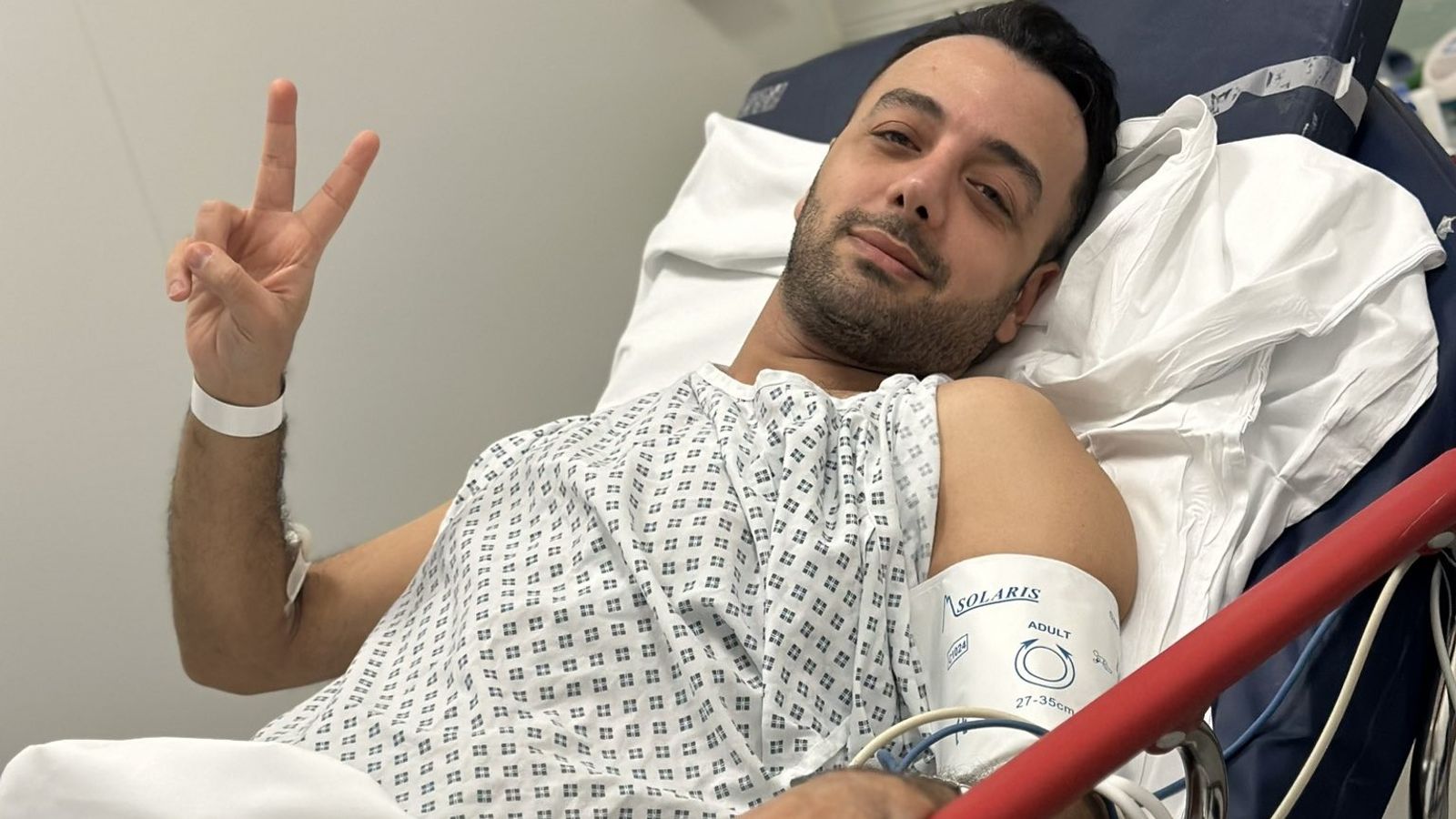
A court heard that Iranian journalist Pouria Zeraati was the victim of a planned and targeted stabbing in London in March 2024, allegedly carried out by proxies acting for the Iranian state. Two Romanian nationals have denied charges related to the attack, which prosecutors described as money-motivated hired violence preceded by reconnaissance. The case underscores elevated geopolitical and legal risk around Iranian dissidents and media figures in the UK, but is unlikely to have broad market impact.
The market implication is not the assault itself; it is the confirmation that state-linked intimidation risk in the UK is no longer a fringe geopolitical issue but an operational one. That raises the odds of a broader security premium across media, dissident, and foreign-policy adjacent institutions in Europe, with second-order demand for private protection, surveillance, secure transport, and executive risk consulting. The near-term beneficiary set is small-cap and specialist rather than headline defense primes, because the spend is recurring, service-heavy, and often outsourced quickly after an incident.
The bigger medium-term effect is policy tightening around Iranian covert activity in Western Europe, which tends to increase surveillance, law-enforcement, and critical-infrastructure security budgets over 6-18 months. That favors firms exposed to identity, access control, perimeter security, encrypted communications, and managed detection response more than pure hardware names. It also raises insurance and legal costs for media organizations and NGOs with cross-border exposure, which can compress margins even without any direct physical disruption.
The contrarian angle is that this type of event often produces a short-lived headline reaction but a longer-lived procurement cycle, so the alpha is in delayed winners, not immediate macro hedges. Consensus will likely overtrade broad defense ETFs; the more interesting move is to own the security stack that gets budget approval after the shock fades. Tail risk is escalation: if authorities publicly attribute the attack to state proxies and respond with sanctions or diplomatic expulsions, the regime-risk discount on related UK/EU assets can widen for months, but the direct market impact remains mostly sectoral rather than index-level.
AI-powered research, real-time alerts, and portfolio analytics for institutional investors.
Request DemoOverall Sentiment
strongly negative
Sentiment Score
-0.65
