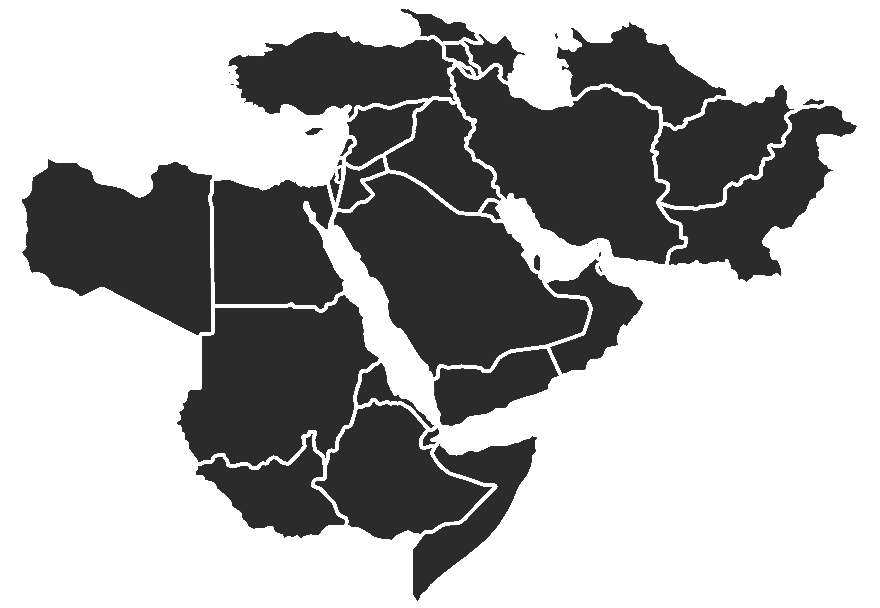
Russia is reportedly shipping drone components to Iran via the Caspian Sea as Tehran tries to rebuild missile and drone capabilities during the ceasefire period, while the US continues sanctioning PRC-linked entities tied to Iranian military procurement. Iran has not accepted the latest US proposal and is signaling it will ignore deadlines, raising the risk of prolonged negotiations and renewed conflict. Separately, a possible oil spill near Kharg Island covered more than 20 square miles and may have released over 3,000 barrels, adding a modest near-term energy and environmental overhang.
The market underestimates how quickly Iran can convert external support into renewed offensive capacity. The near-term edge is not in headline retaliation, but in rebuilding launch density and target quality: drone components, imagery, and logistics access all compress the time needed to restore a credible strike package. That raises the probability of intermittent, lower-signature attacks over the next 4-12 weeks rather than a clean return to large salvos.
The bigger second-order effect is on the regional sanctions architecture. If Iraq’s disarmament push is real, it is less a peace dividend than an attempt to de-risk dollar access and preserve state finances under U.S. pressure; that should pressure militia funding channels, but also increases tail risk of spoofed compliance followed by selective noncompliance. In practice, the likely near-term outcome is not disarmament, but a slowdown in militia kinetics paired with deeper institutional embedding, which makes future enforcement harder and more expensive.
On energy, the spill risk near Kharg is a reminder that Iranian export infrastructure is fragile and increasingly stressed by storage tactics. Even if the visible slick dissipates, the operational takeaway is that any additional disruption can tighten prompt regional crude balances faster than many models assume, especially if tanker storage or pipeline integrity worsens. The contrarian view is that the market may be too focused on headline negotiation deadlines and not enough on the fact that a delayed agreement is itself a strategic asset for Tehran, buying time to rebuild before any freeze in place becomes durable.
AI-powered research, real-time alerts, and portfolio analytics for institutional investors.
Request DemoOverall Sentiment
mildly negative
Sentiment Score
-0.35
Ticker Sentiment
