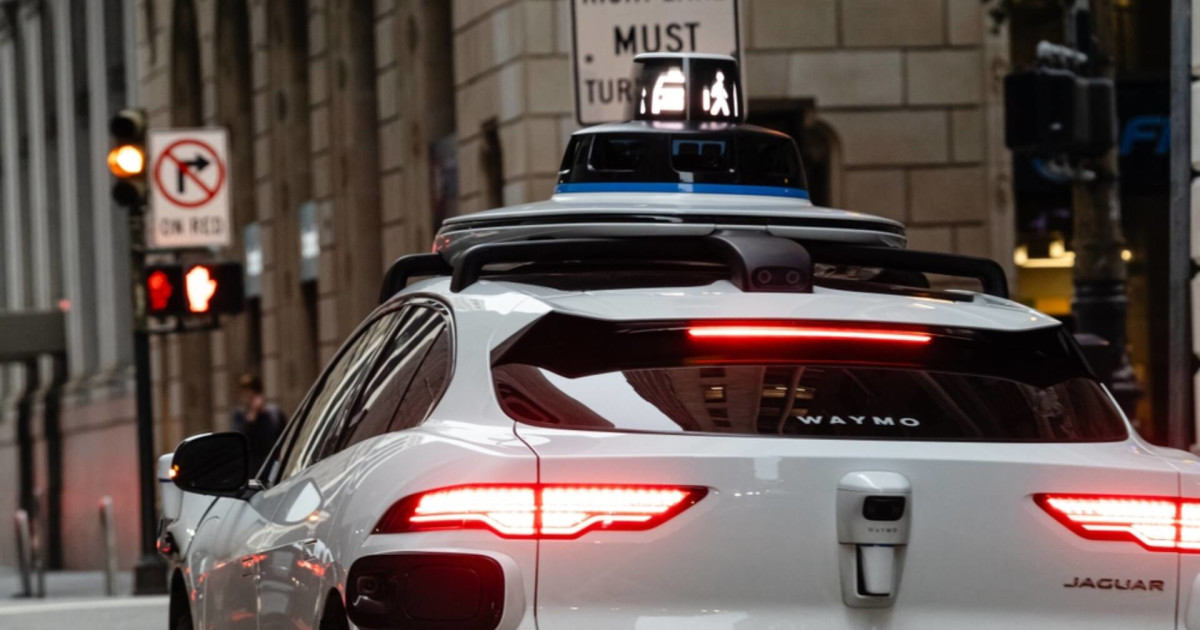
Waymo, Zoox and Tesla are advancing U.S. robotaxi deployments: Waymo operates Waymo One 24/7 in Los Angeles, Phoenix and the San Francisco Bay Area with a fleet of over 1,500 vehicles and expects to add ~2,000 more in 2026; Zoox opened a Hayward serial production facility; Tesla received ride‑hailing approvals for Austin, the Bay Area and Arizona. Regulatory and operational risks are rising — NHTSA has opened a Preliminary Evaluation into roughly 2,000 Waymo 5th‑gen vehicles over alleged failures to stop for school buses, and viral footage documents Waymo vehicles in a police standoff and an illegal U‑turn — creating potential reputational, compliance and operational headwinds for autonomous‑vehicle businesses.
Market structure: Waymo (GOOGL) remains the scale leader with ~1,500 cars and plans +2,000 in 2026, which strengthens network effects and long-term pricing power for robotaxi services; Amazon/Zoox (AMZN) benefits from a new Hayward production line but is still a smaller contributor to AMZN revenue. Tesla (TSLA) gained regulatory access in multiple states, expanding TAM for Robotaxi services, but recurring safety incidents raise reputational and operational costs that depress realized yields per vehicle. Increased fleet supply (thousands of AVs) vs. incremental short-term rider demand implies downward pressure on per-ride margins until utilization >60–70% is reached.
Risk assessment: Tail risks include an NHTSA-mandated recall/pause or a fatality forcing multi-state suspensions that could knock 5–20% off targeted AV revenues for incumbents and widen tech credit spreads by 20–80 bps; probability 5–15% over 12 months. Immediate horizon (days): event-driven swings around videos/reports; short-term (1–6 months): regulatory findings and state approvals; long-term (2–5 years): market share consolidation, supplier bottlenecks (lidar/chips), and insurance cost normalization. Hidden dependencies: municipal cooperation, insurer underwriting, and back-end fleet economics (maintenance, software OTA cadence) will dominate survivability.
Trade implications: Favor optionality over outright large-cap directional bets. Near-term, buy downside protection on GOOGL into NHTSA outcomes (3-month put-spread) and size modest long AMZN exposure (2–3% portfolio) to capture Zoox industrial upside while AMZN absorbs regulatory noise. Consider tactical 3–9 month call spreads on TSLA to play broader Robotaxi regulatory rollouts if implied volatility compresses after approvals. Cross-asset: expect higher tech IV, modest widening in high-yield tech credit, and increased insurer equities volatility.
Contrarian angle: The market may over-penalize GOOGL for visible, fixable edge cases — software patches and conservative operational constraints often clear regulatory reviews; a shallow 5–12% sell-off could be a buying opportunity for durable moat holders. Conversely, smaller AV pure-plays or suppliers without scale face existential regulatory capital burdens; regulatory tightening would paradoxically raise barriers and entrench deep-pocket incumbents (GOOGL, AMZN, TSLA) over 24–36 months.
AI-powered research, real-time alerts, and portfolio analytics for institutional investors.
Request DemoOverall Sentiment
moderately negative
Sentiment Score
-0.35
Ticker Sentiment
