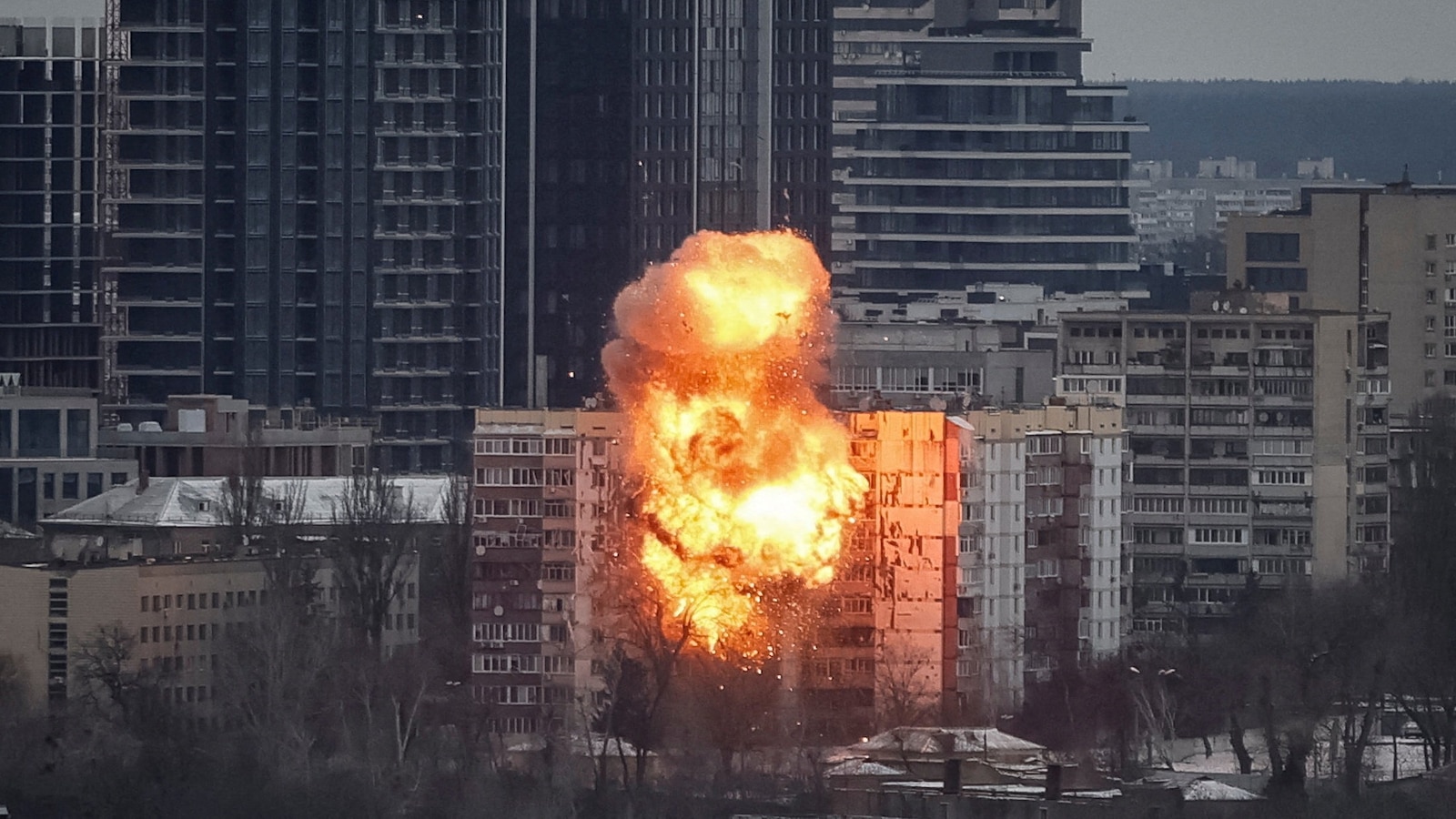
Russian forces launched one of the largest attacks on Kyiv in months, using an estimated 500 drones and 40 missiles including Kinzhal missiles, striking power infrastructure (including Kyiv’s TPP-5 and the Bila Tserkva plant) and residential areas; Ukrainian officials report at least 22 injured (including two children), one woman killed in Kyiv oblast, roughly 2,600 apartment buildings and many schools lost heating, and about 320,000 homes without electricity. President Zelenskyy described the strikes as Russia’s response to peace efforts and urged Western states to supply more air-defence systems. The strikes heighten near-term risk premia for Ukrainian energy delivery and reconstruction, increase demand signals for defense equipment, and are likely to sustain a regional risk-off environment that could pressure related assets and sentiment.
Market structure: Immediate winners are Western defense primes (LMT, RTX, NOC) and tactical air‑defence suppliers; near‑term pricing power will rise for munitions, missile seekers and integrated air‑defence systems as governments rush fill‑ins (likely incremental $5–15bn procurement over 3–12 months). Losers are Ukrainian infrastructure, regional utilities and residential landlords facing repair capex and lost cashflows; European power generators and grids face higher short‑term operating costs and potential revenue hits from brownouts this winter.
Risk assessment: Tail risks include escalation to wider NATO supply interdictions or a winter gas cutoff — if EU gas flows drop >20% for >7 days, expect gas and power spikes +20–60% and a meaningful risk‑off leg in equities. Immediate (days) effects: volatility spikes, credit spread widening for CEE banks; short term (weeks–months): defense order flow and energy contract repricing; long term (quarters–years): structural reallocation to domestic energy resilience and storage capex.
Trade implications: Expect cross‑asset moves — USD and gold to act as safe havens, 2–4 week surge in VIX, and 3‑month front‑month European gas to outperform crude. Active portfolio plays: overweight defense primes and short-dated gas/power volatility; underweight European utilities/EME exposure and lengthen cash/T‑bill duration 1–3 months as tactical hedge against payments/disruption risk.
Contrarian angles: Consensus will bid defense primes immediately, possibly overshooting fundamentals; underappreciated winners are grid resilience and battery/storage plays (e.g., ALB, ENPH) which should see multi‑year secular capex increases. Beware that rapid fiscal/aid flows could tighten USD and rate paths, pressuring long-duration growth names — so protect duration rather than chase momentum blindly.
AI-powered research, real-time alerts, and portfolio analytics for institutional investors.
Request DemoOverall Sentiment
strongly negative
Sentiment Score
-0.65
