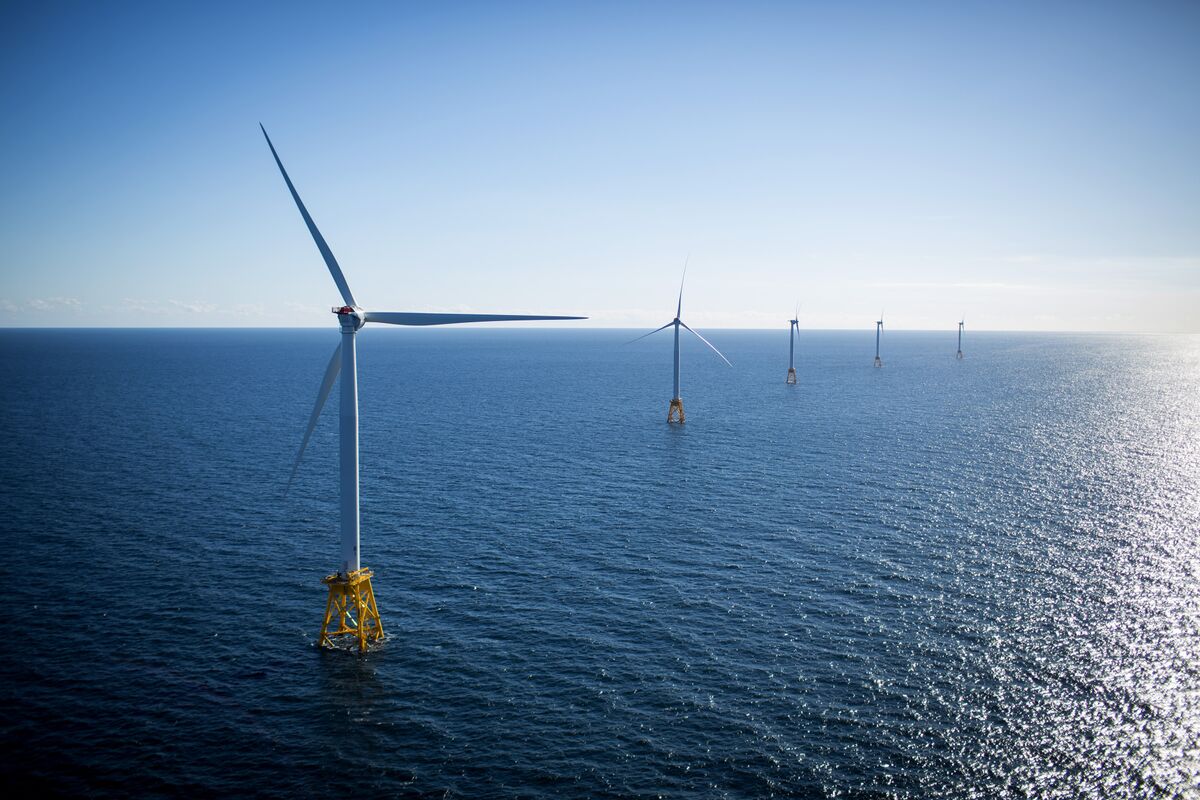
The Trump administration is negotiating with offshore-wind developers to buy back federal leases, offering reimbursements intended to cover the original lease purchase price as part of an effort to block new offshore wind projects. This elevates regulatory and political risk for US offshore-wind developers, likely deterring future investment and financing in the nascent sector and pressuring project pipelines and valuations.
This policy shock is likely to reprice near-term US offshore project risk faster than it destroys the long-term demand curve for large turbines. Expect order deferrals and renegotiations over 3–12 months rather than outright cancellation of global OEM backlogs; manufacturers with diversified export channels can see only a 10–25% hit to near-term revenues while maintaining 50–80% of long-cycle backlog.
Second-order winners include onshore renewables, battery storage and inland transmission builders as utilities and states substitute capacity to meet RPS deadlines; that substitution can push incremental solar + storage procurement to 12–24 month timelines, raising module and inverter prices regionally by 5–12%. Conversely, specialized installation vessels, Jones Act-compliant service providers and local port infrastructure face stranded-capacity risk that could create distressed M&A opportunities and fire-sale asset prices within 6–18 months.
Catalysts that will determine trajectory are legal injunctions (weeks–months), congressional or state-level countermeasures (3–18 months) and developer balance-sheet stress leading to credit downgrades (6–24 months). A true reversal requires either a court ruling invalidating executive action or a change in the political control of relevant policy levers; absent those, expect protracted uncertainty, higher financing spreads (200–400bps on project loans) and a two-speed market: global offshore proceeds, US pipeline stalls.
The consensus frames this as a permanent industry death; that’s over-simplified. States, utilities and tax-equity markets have clear incentives to re-route capital into other renewables or to litigate for compensation — creating convertible opportunities across OEMs, onshore renewables and distressed local-service assets rather than a binary winner/loser outcome.
AI-powered research, real-time alerts, and portfolio analytics for institutional investors.
Request DemoOverall Sentiment
mildly negative
Sentiment Score
-0.35
